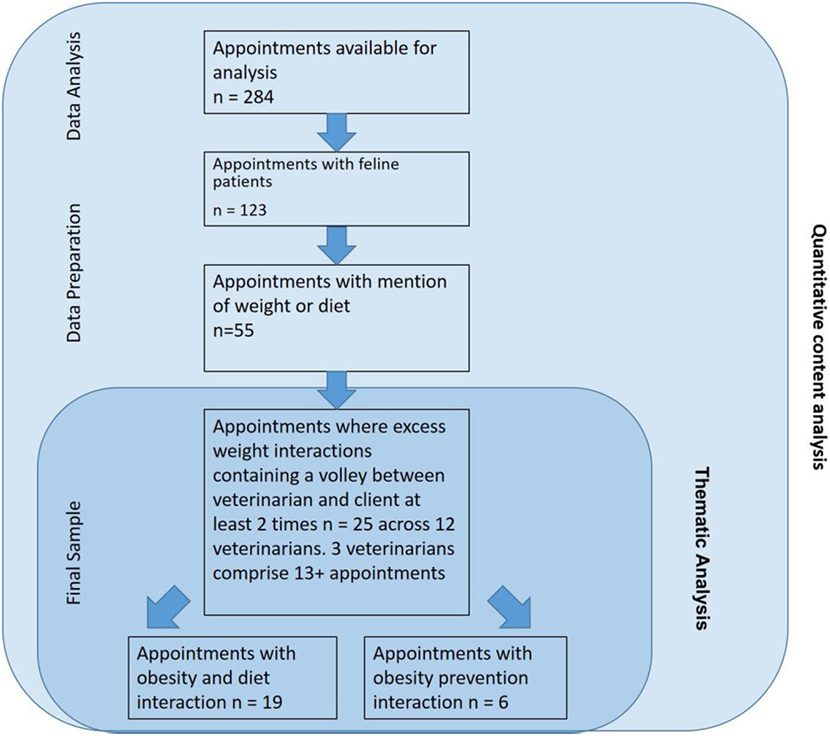
Feline obesity has emerged as a significant health issue, with varying degrees of awareness and communication about it during veterinary visits. A qualitative study sought to explore how veterinarians and cat owners discussed obesity, analyzing video recordings from 284 veterinary appointments in Eastern Ontario featuring feline patients. Of these, only 25 appointments included discussions on feline obesity, involving 12 veterinarians.
Read More
The thematic analysis revealed inconsistencies in how deeply veterinarians addressed obesity and its management. There was a notable lack of in-depth nutritional history taking and specific management recommendations, which suggests a need for enhanced communication skills within veterinary practice. Humor was often used by both veterinarians and clients to cope with potential discomfort surrounding obesity discussions, indicating the sensitivity of the topic.
Approximately 11.5-63% of pets in industrialized nations are affected by obesity, which can lead to serious health issues such as diabetes and cardiovascular problems. However, previous studies emphasize that clients often normalize their pets' overweight status, complicating conversations in clinics. Research suggests that effective communication is critical for addressing weight-related concerns in a manner that adheres to both veterinary standards and client understanding.
Despite the American Animal Hospital Association recognizing nutrition as a crucial aspect of veterinary care, most discussions on obesity seem to be initiated by veterinarians during routine wellness exams. The need for improved communication strategies was underscored by findings that revealed significant barriers to effective weight management conversations between veterinarians and clients.
The study highlights the gaps in how veterinarians communicate with cat owners about feline obesity and emphasizes the necessity for training in communication skills that can foster better discussions around weight management. Effective dialogue is essential for enhancing animal welfare and ensuring proactive health care in veterinary settings.