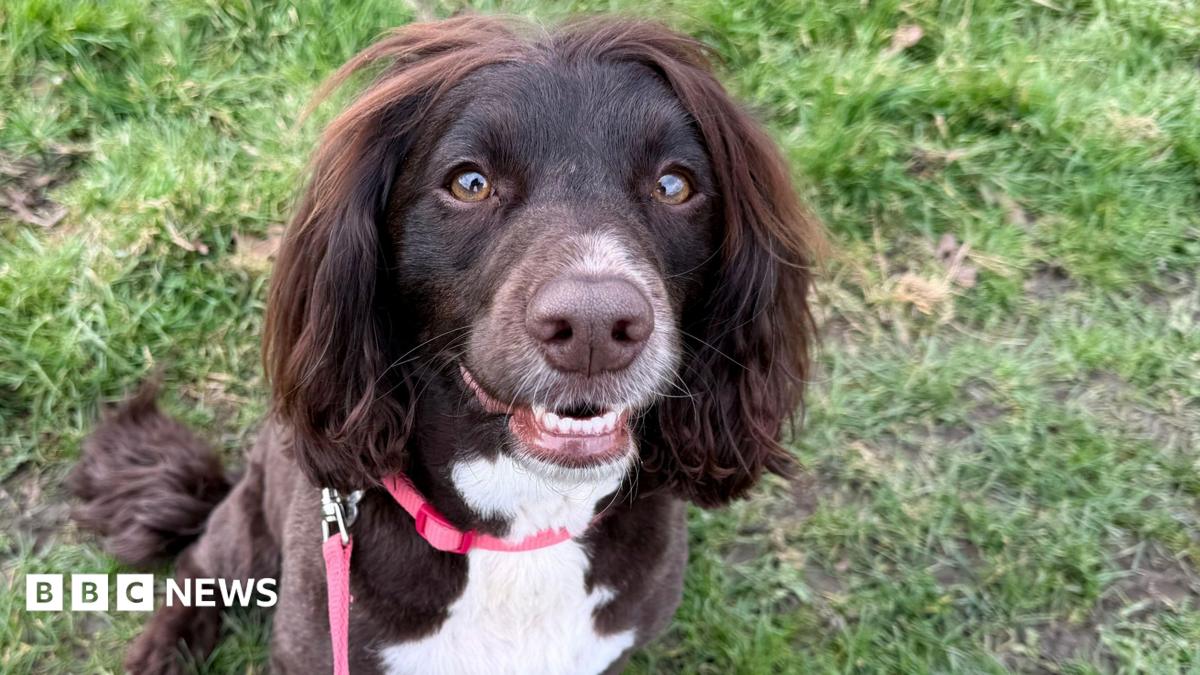
According to a study from the Royal Veterinary College (RVC), mixed-breed dogs such as cockapoos, labradoodles, and cavapoos are more prone to displaying "undesirable behaviors" than their purebred parents. These crossbreeds, which combine a poodle with another breed, have gained popularity for their perceived ease of handling and training.
Read More
However, the RVC reports that these dogs often do not exhibit the expected behavior, particularly concerning training, anxiety, and aggression. The charity Dogs Trust emphasizes that a dog's breed is not a reliable predictor of behavior, highlighting that health and socialization play critical roles.
The study involved an online survey that gathered valid responses from the owners of 9,402 dogs in the UK between February 21 and April 21, 2023. Researchers compared designer breeds to their purebred counterparts across various categories of behavior. Findings indicated that designer doodles differed from purebreds in over half of the comparisons made. For instance, cockapoos exhibited higher levels of aggression and rivalry with other dogs.
Notably, in 82% of cases where one parent exhibited problematic behavior, their mixed-breed offspring were likely to display an intensified form of the same behavior. Some owners reported significant challenges in training their dogs, with some feeling unable to leave them alone.
The study notes that characteristics bred into the cocker spaniel, designed for flushing out game in dense environments, might become problematic in pet homes due to high energy and intelligence. When bred with a poodle, these traits may manifest as increased behavioral issues in the crossbred offspring.
Dr. Rowena Packer, senior lecturer at the RVC and lead author of the study, stressed the importance of not dismissing these behaviors, stating they can have serious implications for the dogs and their owners. Misguided beliefs about the trainability and safety of designer breeds can lead to issues if not supported by evidence.
The study also uncovered differences between the owners of crossbreeds and purebreds. Crossbreed owners tended to be first-time dog owners and were more likely to seek non-professional training advice through social media or from friends and family.
Viv Smith from Washington in Tyne and Wear, who adopted a cockapoo named Dolly in September 2021, followed the trend believing these dogs were easier to handle and train. However, Dolly developed anxious and aggressive behavior over time, resulting in incidents including bites to family members.
Smith has since sought the assistance of a behavior specialist and expressed concerns about walking Dolly, stating, "I would never tell anyone to get a cockapoo. I can't promote it."
Karol Watson Todd, co-director of the Cockapoo Club of Great Britain, acknowledged the study's contribution to understanding dog behavior but reinforced that many factors influence behavior beyond just breed.
Dom Burke, a behavior policy officer at Dogs Trust, also pointed out that a dog's behavior is shaped by numerous influences, including health, socialization, and the environment. He noted the rise in demand for certain breeds could lead to irresponsible breeding practices and urged the importance of professional behavior support for all dogs.