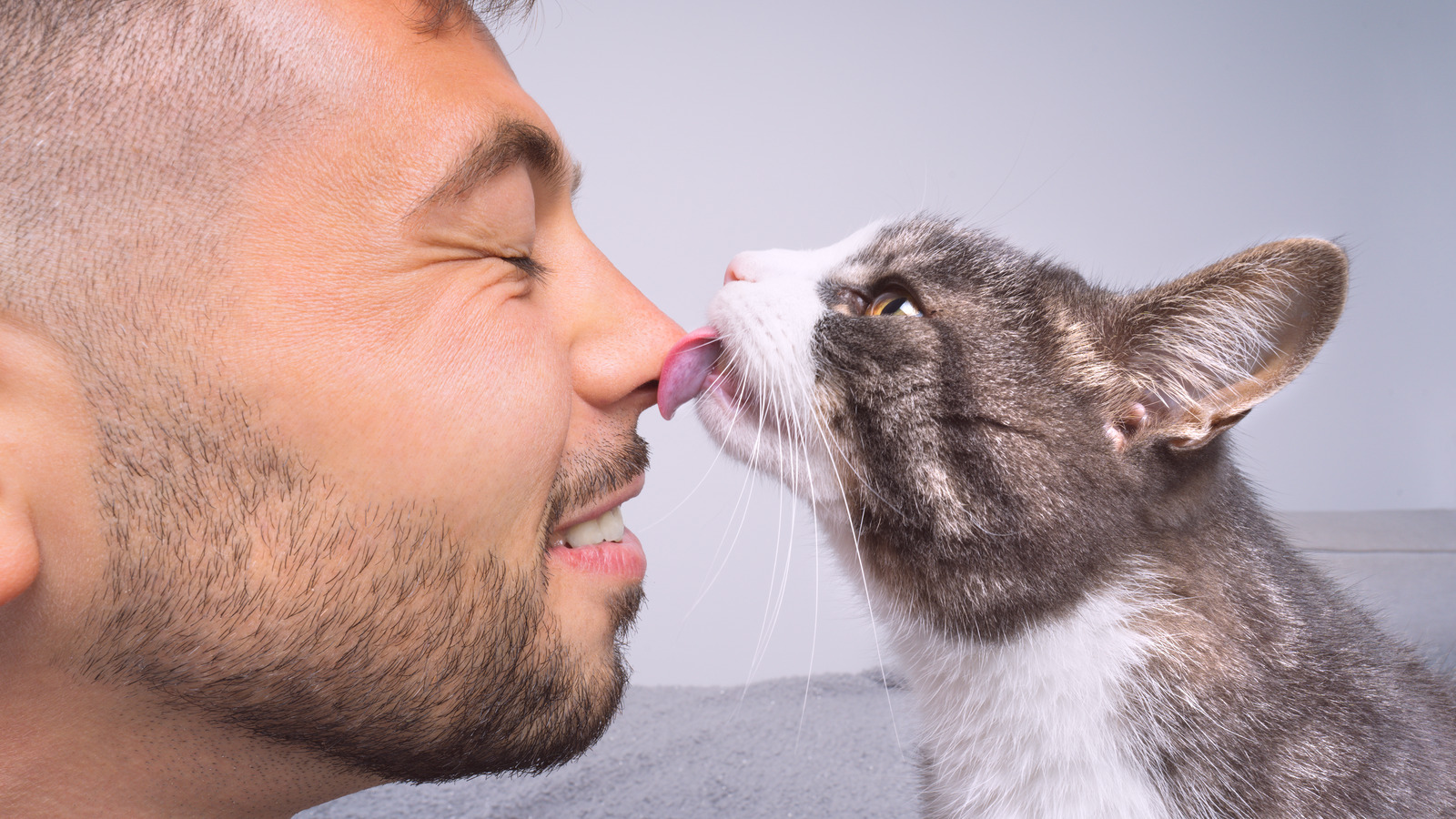
Research shows that cats have developed a unique form of communication with their human companions, highlighting their ability to recognize their owners' voices. While the exact timeline of cat domestication remains unclear, evidence suggests that it began up to 9,500 years ago when a cat was buried alongside a human in Cyprus, a find that predates previous theories linking cats to ancient Egypt.
Read More
Unlike other members of the Felidae family, only lions and cheetahs exhibit communal living behaviors. Despite their independent nature, domestic cats, or Felis silvestris catus, have adapted their behaviors in close contact with humans over the years. According to Charlotte de Mouzon, an animal researcher from the University of Paris Nanterre, there is a distinct form of communication that develops between owners and their cats.
Recent findings published in Animal Cognition examine how cats respond differently to voices. The study found that while pet owners often speak to their cats using a baby-talk-like tone known as cat directed speech (CDS), cats show a preference for this specific style over adult-directed speech (ADS). De Mouzon explained that even though felines are not human infants, they can still react positively to the ways their owners speak to them, which helps fortify their bond.
In the study, participants recorded themselves speaking common phrases to their cats and then in a more adult-oriented tone. As anticipated, cats responded positively when hearing CDS, while they offered little reaction to ADS, demonstrating their ability to distinguish their owners' voices from those of strangers. This reaction aligns with findings that cats are attentive to the differing styles of speech.
Interestingly, the study also highlighted that while humans tend to use specific tones for their pets, cats have similarly developed vocalizations to elicit responses from their owners. Research published in Current Biology indicates that cats have unique purrs designed for soliciting food that contain a frequency similar to that of crying human infants, making them more appealing and urgent to humans.
While cats indeed seem to refine their vocalizations through interactions with humans, existing research suggests that domesticated cats tend to meow at higher frequencies than their feral counterparts, indicating some evolutionary adaptation toward human communication. However, human ability to interpret these meows appears limited, with studies showing mixed results in accurately identifying specific situations based on cat vocalizations. Females were particularly noted to have better discernment, as experience may enhance one’s ability to understand their feline friends.
The evolving relationship between the 96 million pet cats in the United States and their human owners provides insight into the complex dynamics of interspecies communication and companionship.