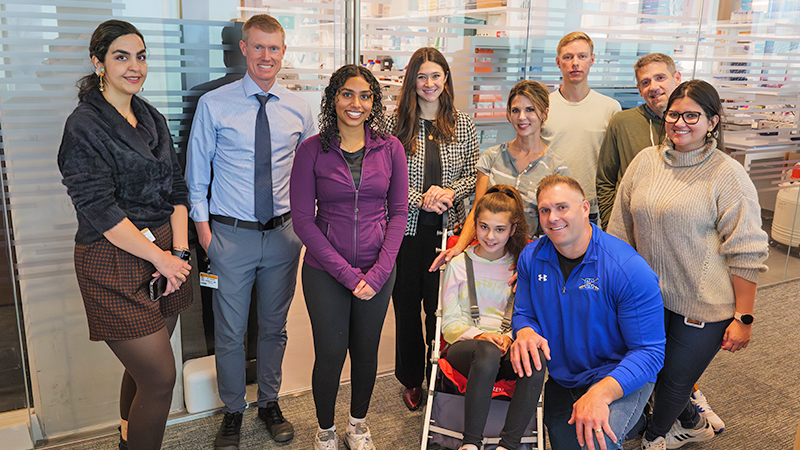
On October 2, 2026, the University of Missouri (Mizzou) inaugurated the Center for Translational Neurogenetics (CTN), a hub focused on improving the diagnosis and treatment of rare neurodevelopmental and neurogenetic disorders. These so-called “rare diseases” affect one in 10 Americans and often involve lengthy diagnostic processes of six years or more.
Read More
The CTN is the result of a collaborative research partnership involving multiple colleges within Mizzou, including the School of Medicine, the College of Veterinary Medicine, and the College of Arts and Science, among others. This initiative is particularly inspired by the personal experience of alumni John and Kasey Ruth, whose daughter Kamdyn has a rare genetic condition known as Baker-Gordon Syndrome (BAGOS), linked to an SYT1 gene mutation.
Support for this center was bolstered by members of the Missouri state legislature, including Sen. Lincoln Hough, Sen. Kurtis Gregory, and Rep. Rudy Veit, along with Governors Mike Kehoe and Mike Parson.
University President Mun Choi praised the collaboration, stating that it would enhance lives, particularly for the state’s youngest patients. Governor Kehoe remarked on the significance of uniting researchers and advocates to expedite care for families facing rare diseases. Meanwhile, Sen. Gregory highlighted Mizzou's cutting-edge research capabilities and infrastructure, expressing optimism about potential breakthroughs in medical research.
The CTN aims to leverage Mizzou's comprehensive resources in gene discovery, animal modeling, and clinical trials to accelerate advancements in rare disease research. Christian Lorson, co-principal investigator for the Genetic Autism Alliance’s SYT1 project, emphasized that few institutions possess the capability to navigate the entire pipeline from discovery to human trials internally, a distinction that Mizzou holds.
Guided by Dr. David Arnold, the center will lead the development of new therapies while providing educational opportunities for upcoming scientists. Arnold envisions Missouri as a pivotal state for accelerating new treatment pipelines, underscoring the collaborative nature of clinical research that involves scientists, clinicians, regulatory partners, and patient advocates.
The CTN is part of the broader NextGen Precision Health initiative, which aims to foster interdisciplinary collaboration for advancements in personalized health care, rooted in the research strengths of Mizzou and its partner universities.