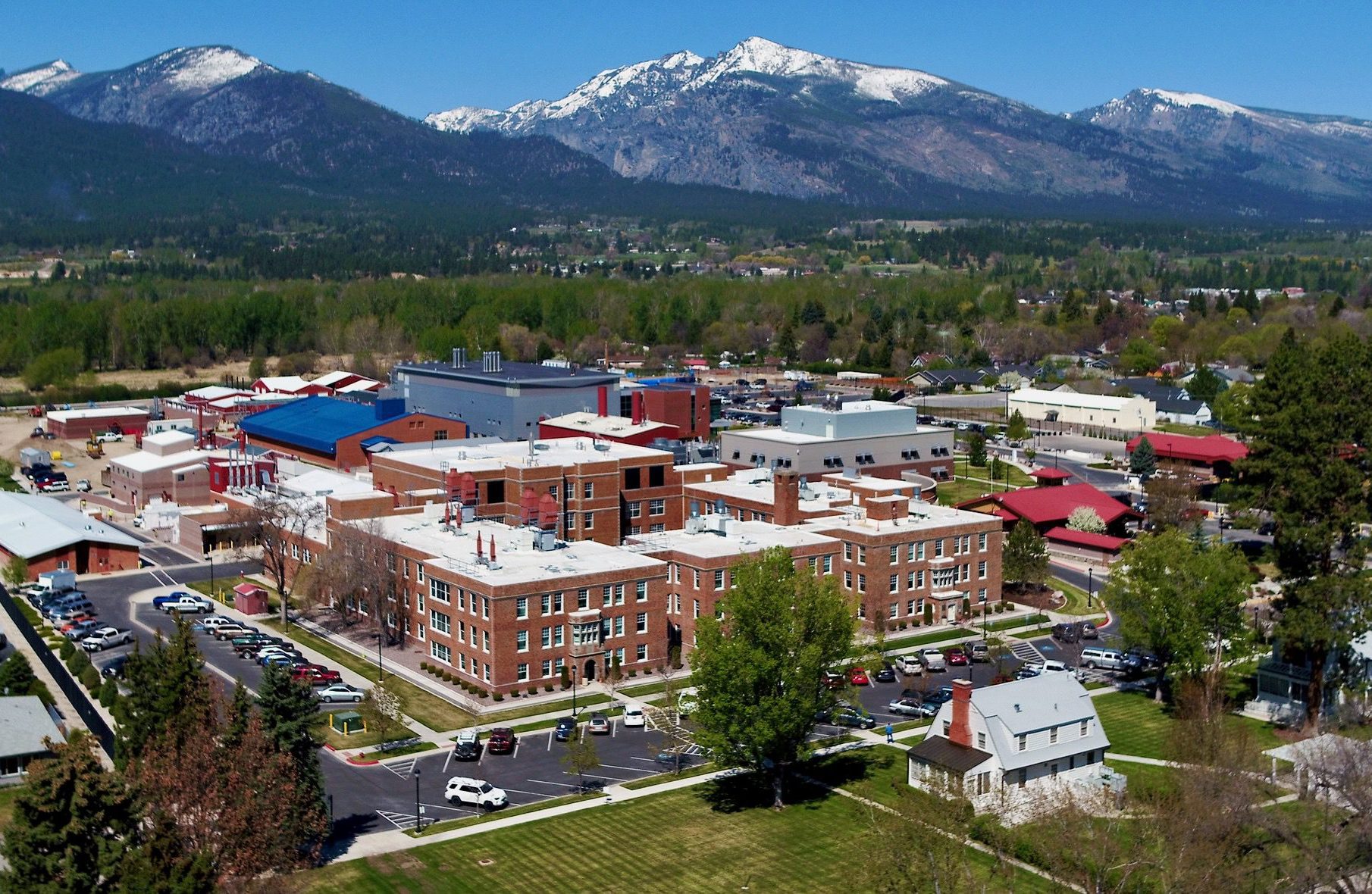
Two researchers from Rocky Mountain Laboratories (RML) in Hamilton, Montana, have been arrested by the U.S. Department of Justice for allegedly smuggling monkeypox virus samples into the United States and lying to investigators. The arrests have intensified scrutiny of the facility, which operates a high-security laboratory dealing with dangerous pathogens, and have emerged amid growing public concern over animal research and safety protocols.
Read More
Vincent Munster, RML’s chief of virus ecology, and Claude Kwe, a research fellow, were detained on January 25, 2025, when customs agents discovered a black plastic case in their luggage on arrival in Detroit from the Republic of Congo. Despite claiming the case contained testing equipment, further investigation revealed it held a cooler with 113 vials, 17 of which contained a deactivated form of the monkeypox virus, with others containing chickenpox virus and human DNA.
The controversy surrounding RML has been fueled by accusations from the animal welfare group White Coat Waste Project, which released an “exclusive whistleblower report” alleging that RML has covered up incidents involving exposure to hazardous pathogens. The group's claims have gained attention from congressional Republicans, including Montana Senator Tim Sheehy, who expressed concerns over transparency regarding the laboratory's handling of dangerous diseases.
If convicted, Munster and Kwe could face up to five years in prison. An official statement from the Department of Justice noted that both men remain innocent until proven guilty, but highlighted the severity of allegedly smuggling viral pathogens on a commercial flight. Customs and Border Patrol officials reaffirmed their commitment to public safety in light of the arrests.
The arrests have come at a time of heightened scrutiny of federal research institutions, especially following accusations that some researchers may be jeopardizing public health through careless or negligent practices. White Coat Waste has been vocal in its advocacy against animal testing, having previously succeeded in reducing funding for certain federal lab animal trials.
In response to the situation, RML released a statement emphasizing its commitment to proper safety and handling procedures, asserting no risk to the surrounding community. The National Institutes of Health acknowledged previous incidents at RML that had raised alarms but indicated that safety protocols were followed in those cases, with no public safety concerns arising from laboratory accidents.
Separate from the arrests, significant public distrust in governmental scientific practices has surfaced, which has been exacerbated by the COVID-19 pandemic. This distrust reflects in various public narratives surrounding health crises and institutional research efforts. Animal welfare advocates continue to voice their opposition to certain research practices, calling for more stringent oversight and transparency in federal research funding.
RML has faced scrutiny in the past, particularly with its BSL-4 containment capabilities, but has also garnered local support for its economic contributions and community engagement in disease response and research. The ongoing public dialogue will likely further shape perceptions surrounding the role of such research institutions in the face of emerging health threats.