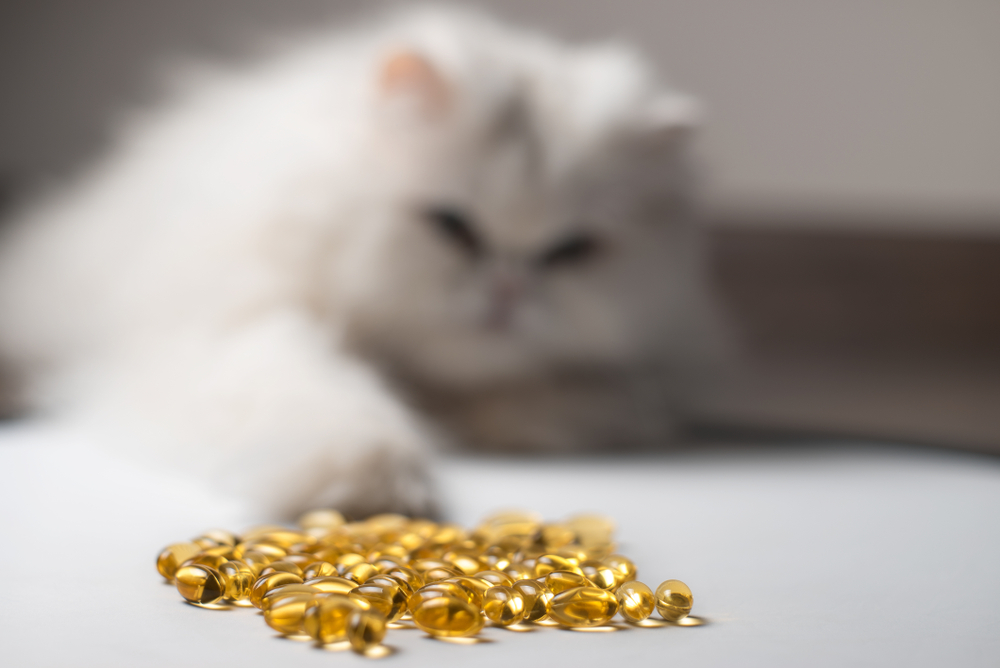
Omega-3 fatty acids are vital nutrients found in some foods and supplements that offer several benefits for cats. These unsaturated fats, which include alpha-linolenic acid (ALA), eicosapentaenoic acid (EPA), and docosahexaenoic acid (DHA), play an important role in feline health.
Read More
Cold water fish oils are the best sources of DHA and EPA, providing higher concentrations than most cat foods. While flaxseed oil contains ALA, cats have difficulty converting it into more usable forms of omega-3s, making it less beneficial. Fish oils are usually more palatable for cats than flaxseed oil.
The balance between omega-6 and omega-3 fatty acids in a cat's diet is crucial. Though experts suggest a ratio of approximately 10:1, there is no established guideline on the required amounts, as this ratio is not regulated in cat food. The therapeutic properties of omega-3 fatty acids, particularly EPA, are noted, but supplementation must consider dietary intake to prevent imbalances or overdoses.
The American Association of Feed Control Officials (AAFCO) mandates that kitten diets contain at least 0.012% EPA and DHA, which are vital for brain and eye development in kittens. While DHA and EPA might also be deemed essential for adult cats, no specific minimum values are outlined by AAFCO.
To introduce omega-3s into your cat's diet, you can switch to a food fortified with these nutrients or give a supplement. Supplements may come in liquid form to be added to meals or as capsules that can be given whole or opened into food. Always adhere to the dosage and storage instructions provided with any supplement.
If you miss a dose, there is no cause for alarm; simply resume the regular schedule. However, consistently missing doses could diminish the supplement's effectiveness.
Omega-3s are generally safe at the recommended levels found in pet foods. Severe side effects from an overdose are rare, but potential issues like blood clotting could arise in extreme cases, so monitor for unusual bleeding or bruising and seek veterinary care if these occur.
For issues like itchy skin, a comprehensive veterinary exam is essential to determine the cause, but in the meantime, parasite prevention and omega-3 supplementation are advisable. For arthritis, various medications are available to alleviate symptoms, and for cats with chronic kidney disease, diets high in EPA can be beneficial.
In summary, omega-3 fatty acids can be a valuable addition to addressing various health concerns in cats. They are available in safe, affordable formulations specifically designed for felines, which can be added to their existing diet.