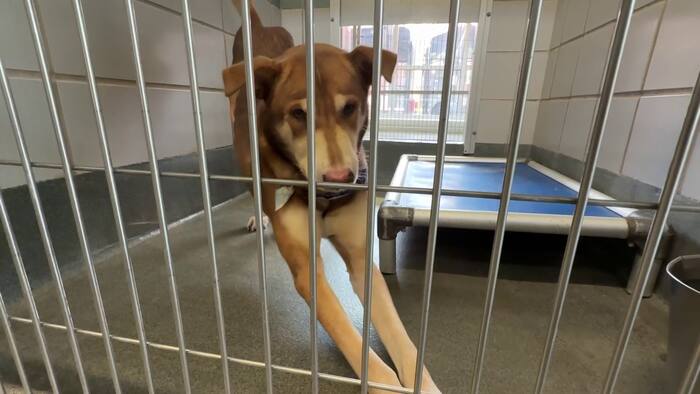
Metro Health has reported 22 confirmed rabies cases in wildlife in Bexar County during June and July 2026, marking a significant increase compared to two or three cases during the same months in the previous two years. This surge follows a recent incident where a dog, unvaccinated against rabies, tested positive after attacking a baby skunk. The dog subsequently exhibited behavioral and neurological symptoms and bit its owner at a residence on the far West side, making it the first rabies-positive dog reported in Bexar County in over a decade.
Read More
John Gary, director of San Antonio Animal Care Services, emphasized that residents should be vigilant about the rising number of positive cases in wildlife. The Texas Department of State Health Services monitors rabies incidents statewide, providing monthly updates on reported cases.
Common wildlife associated with rabies in Texas includes bats, skunks, foxes, and raccoons. Rabies, a viral disease affecting mammals, is typically spread through the saliva of infected animals, most commonly via bites. However, exposure can also occur through infected saliva entering open wounds, as noted by Christina Carmona, epidemiology program manager for the San Antonio Metropolitan Health District.
Carmona advises that if bitten or scratched by a potentially rabid animal, it is crucial to wash the wound immediately with soap and water and seek medical attention without delay. Individuals requiring rabies post-exposure treatment should visit a major hospital emergency room for immunoglobulin and the initial rabies vaccine dose. This vaccine series includes four doses administered on days zero, three, seven, and 14.
Health officials stress the importance of starting treatment before any symptoms develop, as rabies is nearly always fatal once symptoms appear.
Parents are encouraged to teach their children to avoid unknown animals, particularly wildlife, and to contact a pediatrician if a child does interact with a wild animal.
For pet owners, ensuring that dogs and cats are up to date on their rabies vaccinations is critical, as these are mandated by state and local law. It is also advisable to keep pets secure and to report any wildlife interactions. For any suspected rabid animals in homes or buildings, residents should avoid handling them and wait for Animal Care Services or animal control to respond.
San Antonio Animal Care Services hosts vaccination clinics throughout the year to help prevent rabies. A vaccination clinic is scheduled for Saturday, August 22, from 9 to 11 a.m. at Monterrey Park, offering free rabies and other vaccinations to the first 100 pets.