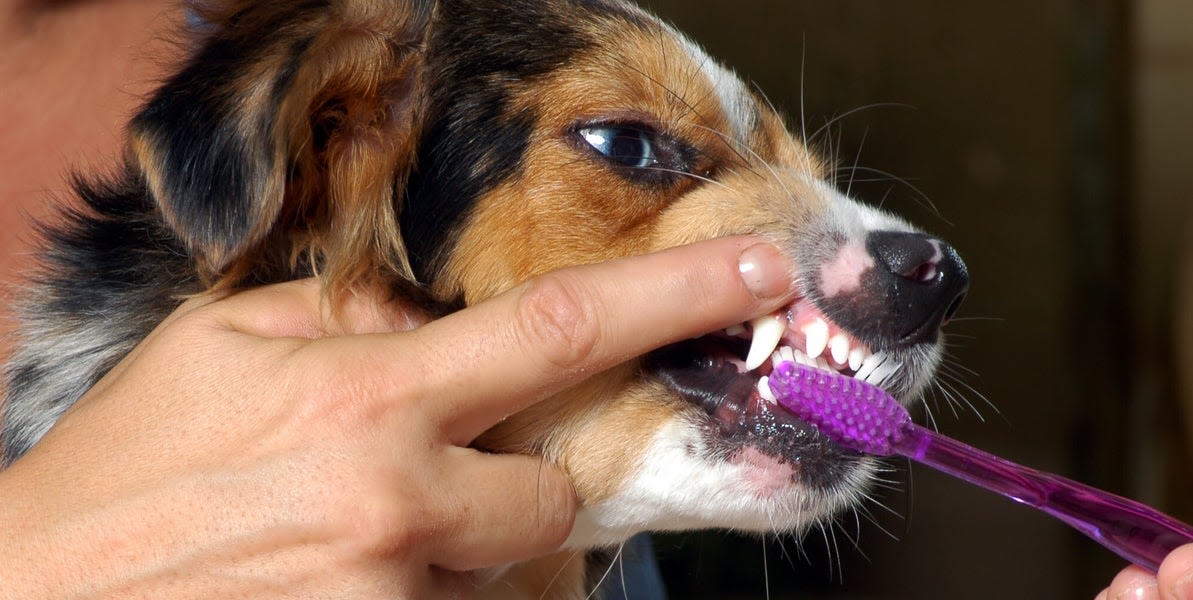
Many pet owners face challenges in maintaining their pets' dental hygiene, especially if their animals dislike toothbrushes. Poor dental care can lead to serious health issues, such as plaque and tartar buildup, which can cause bad breath, gum inflammation, and even affect vital organs like the heart and kidneys, according to Dr. Maureen K. Murithi, a veterinarian consulting for The Vet Desk.
Read More
Dr. Whitney Miller, former chief veterinarian for Petco, emphasizes that while manual brushing is the most effective method for oral care, there are alternatives for pets that resist toothbrushes. These include dental treats and water additives. Dr. Heidi Cooley, a veterinarian with Banfield Pet Hospital, advises looking for products endorsed by the Veterinary Oral Health Council (VOHC) to ensure their effectiveness.
Here are several veterinarian-recommended alternatives:
1. **Dental Water Additives**: These products contain enzymes to help breakdown plaque and tartar. Pets drink the additive in their water, aiding oral hygiene as they hydrate. Choose tasteless options to avoid altering their drinking habits.
2. **Dental Chews**: Chewy treats like Greenies are effective in reducing plaque and tartar buildup. These are often recommended for at-home oral care and are made from natural ingredients.
3. **Chew Toys**: Toys designed with grooves can help clean teeth as pets chew. These are especially popular for dogs and are typically made from durable rubber infused with baking soda to assist in plaque removal.
4. **No-Brush Dental Gels**: Some gels use antibacterial agents to reduce plaque without requiring brushing. Various products claim to significantly decrease tartar and freshen breath without manual cleaning.
5. **Plant-Based Dental Chews**: Suitable for sensitive stomachs, these chews are designed to help manually remove plaque as pets chew.
6. **Dental-Conscious Kibble**: Certain dry dog and cat foods are formulated to reduce tartar buildup due to their size and texture, effectively brushing pets' teeth as they eat.
7. **Dental Treats with Probiotics**: Products designed for cats often include probiotics to support digestive health while maintaining oral hygiene.
8. **Rawhide Chews**: These enzymatic chews can help reduce plaque accumulation. However, pet owners should ensure their pets chew them adequately to prevent choking or other risks associated with harder bones.
9. **Daily Food Additives**: Various supplements can be mixed with pet food to help control tartar and freshen breath, though they can be pricier.
Dr. Conrad notes that certain breeds may be more prone to dental issues and emphasizes that incorporating dental chews into a pet's routine can be beneficial. Monitoring for VOHC seals of acceptance ensures that products meet effectiveness standards in controlling plaque and tartar.
Finally, patience and consistent engagement can help pets adapt to new dental care routines.