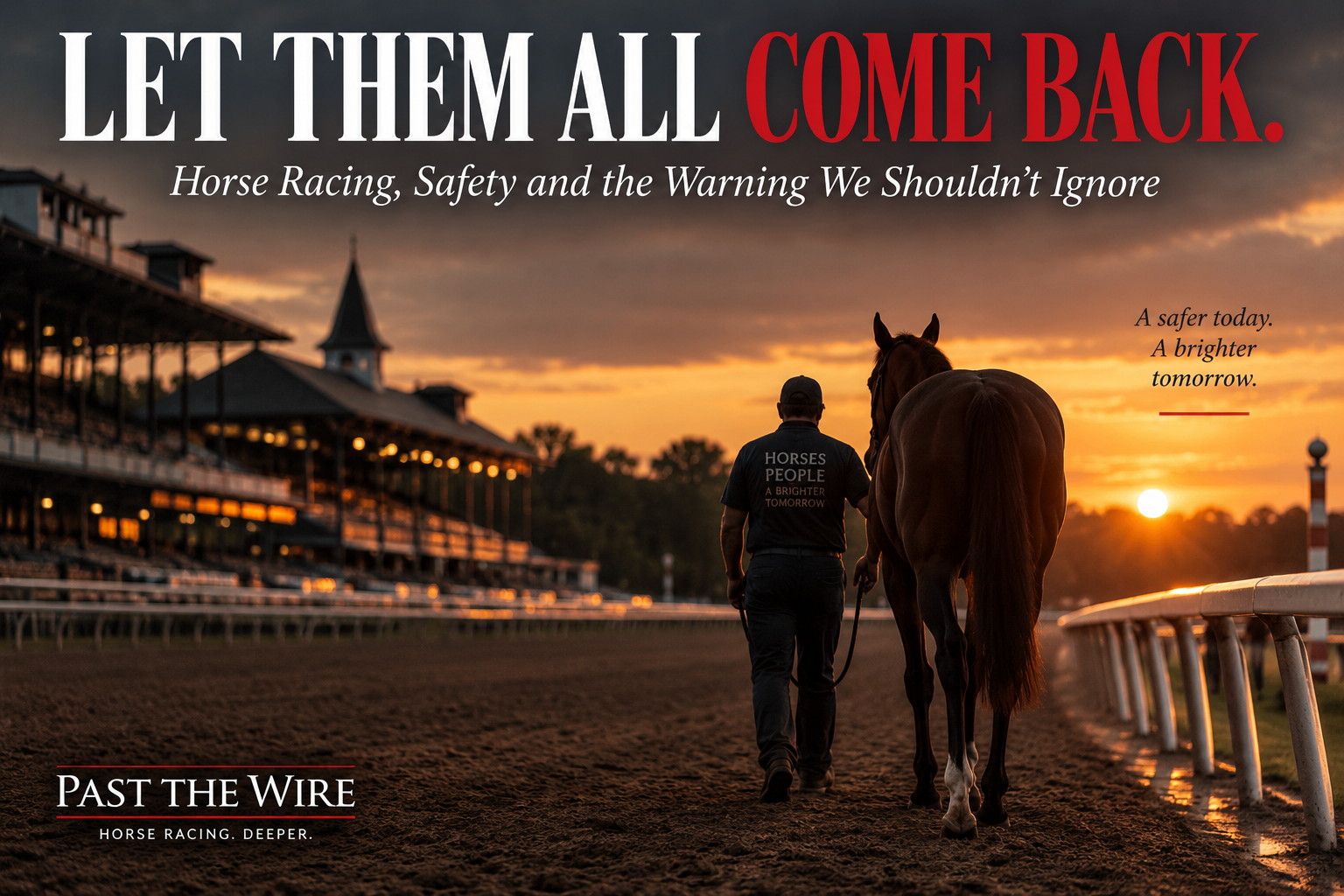
Tripadvisor has placed animal-welfare warnings on the pages of racetracks globally, including prominent locations such as Saratoga, Keeneland, and Churchill Downs. This decision highlights that these venues do not currently align with Tripadvisor’s Animal Welfare Policy, which states it will not promote activities involving domesticated animals that face heightened risks for injury or death during sport or entertainment, specifically mentioning horse racing.
Read More
The horse racing community has expressed its discontent with Tripadvisor's stance. The British Horseracing Authority called the warning surprising and troubling, while various racing organizations emphasized decades of investment in veterinary care and animal welfare improvements. Although their arguments have merit, racing stakeholders must consider why Tripadvisor feels justified in issuing this warning and why many outside the industry might agree.
Many advocates, beyond PETA and groups like Horse Racing Wrongs, share concerns about animal welfare in horse racing. Tripadvisor's warning is not an isolated opinion; it reflects broader societal viewpoints that can impact racing's social license to operate.
As a long-time fan of the sport, the author argues that safe racing should be prioritized over winning bets. It’s crucial to acknowledge that while many horses enjoy racing, not all do. Horses can experience pain and may need rest, yet racing culture often incentivizes performance to the detriment of welfare. The economic reality allows profit to influence medical decisions regarding racing.
The Horseracing Integrity and Safety Authority (HISA) has made strides in improving safety, with statistics showing a near 50% reduction in fatalities at tracks under HISA rules, compared to prior rates. States like California have also implemented significant reforms following prior crises, further demonstrating that improvements can be made.
The perception that “breakdowns are inherent to racing” is no longer tenable. While some risk is unavoidable due to the nature of the sport, ongoing improvements and regulations have shown that many issues can be mitigated. The industry should therefore reevaluate its approach toward equine injuries and develop more thorough protocols for returning injured horses to competition, resembling protocols used in other sports.
Discussions about racehorse workload and recovery also warrant attention. Individualized recovery plans based on each horse’s condition may enhance safety and performance. The introduction of advanced diagnostic techniques and data-driven approaches can further inform decision-making in the sport.
Aftercare for racing horses requires more rigorous accountability. While organizations like The Thoroughbred Aftercare Alliance do commendable work, systemic issues remain that contribute to horses ending up in vulnerable situations. The public’s perception is shaped not just by positive initiatives but also by where horses end up after retiring from racing.
Horse racing could benefit from learning from other industries, such as marine parks, which faced backlash over animal welfare issues. Public perception can change rapidly, and the racing industry must be proactive to avoid similar pitfalls.
Consumer perceptions are complicated by the intersection of gambling and animal welfare, amplifying scrutiny from both the public and regulatory agencies. The industry should recognize that when failures occur, such as medication violations or tragic accidents, the consequences not only affect animals but also jeopardize public trust in the sport.
The author calls for a critical self-reflection regarding Tripadvisor's warning. Instead of blaming the platform, racing stakeholders should focus on understanding and addressing the issues that led to the warning in the first place. The goal should be to eliminate the warning by demonstrating improved standards and animal welfare practices in the sport.