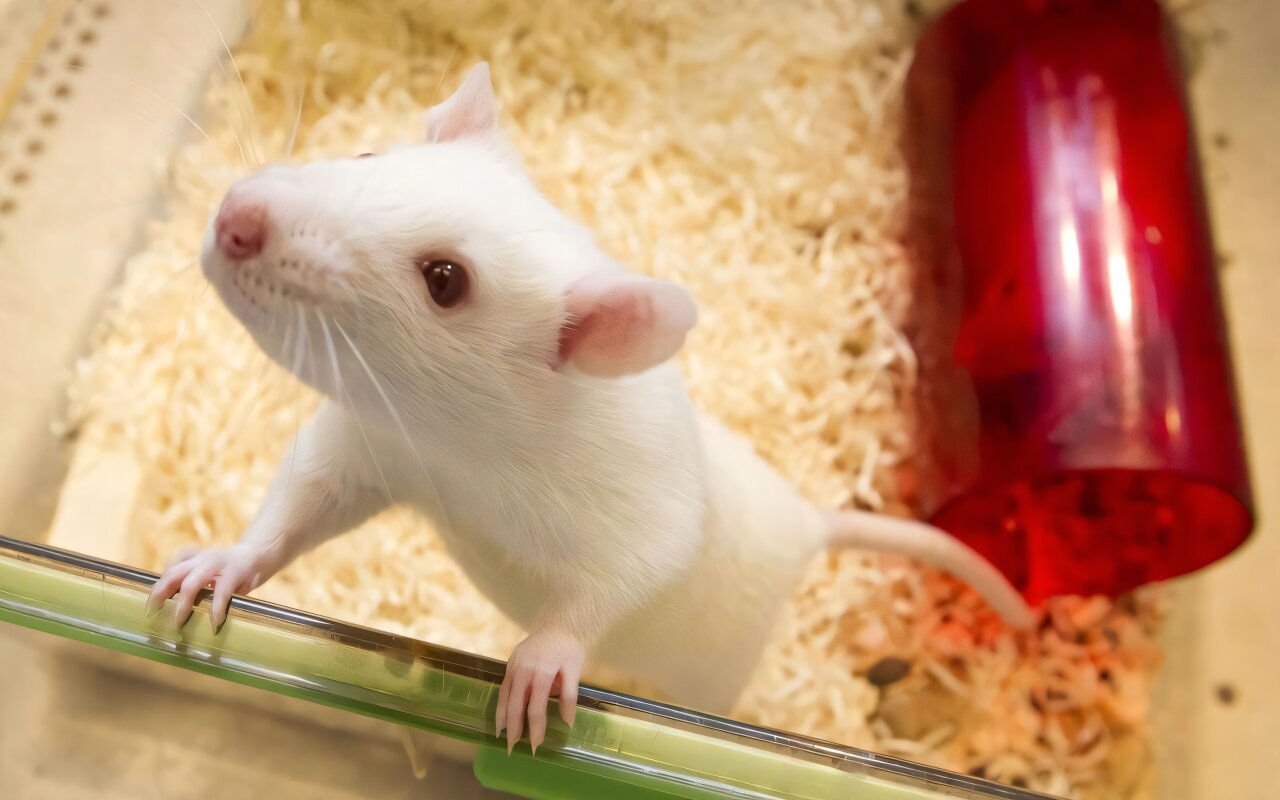
Researchers at the University of Helsinki's Faculty of Veterinary Medicine are tackling issues surrounding anesthesia in laboratory animals, particularly rats. While anesthesia is essential for minimizing pain during intrusive procedures, improper practices have been linked to suffering and can lead to unreliable experimental results, necessitating the use of more animals.
Read More
One major concern is that common sedatives can induce exophthalmos, a condition where the eyes bulge out of their sockets. This adverse effect, known since the 1980s, still sees the continued use of these sedatives. Minna Mustikka, a veterinary ophthalmology specialist, is investigating whether a drug called vatinoxan can mitigate this issue. Developed in collaboration with Finnish company Vetcare for canine sedation, vatinoxan has shown promise in improving safety for small rodents during anesthesia. Mustikka stated that their research demonstrates vatinoxan's effectiveness in preventing eye bulging and alleviating other associated ocular issues. Her findings are published in the Journal of Ocular Pharmacology and Therapeutics.
In another study, Emily Lindh is exploring the effects of vatinoxan on blood circulation in anesthetized rodents. Her research indicates that vatinoxan enhances tissue oxygenation by addressing adverse circulatory effects caused by sedatives. Lindh's findings, which include reducing blood glucose levels and excessive urine output in rats, have been disseminated in Veterinary Anaesthesia and Analgesia, as well as BMC Veterinary Research. She highlighted the importance of anesthesia in humane treatment while maintaining the integrity of research findings.
Veterinarians Anna Meller and Karoliina Alm have also contributed to these studies, emphasizing the significance of handling practices prior to experiments. They noted that competent and respectful interactions can help alleviate stress in rats and mice, ultimately enhancing the reliability of research outcomes alongside animal welfare.
Jussi Honkavaara, associate professor of veterinary pharmacology, leads the research group. He pointed out the varying responses to anesthesia across species and stressed that understanding these effects requires comprehensive research. Senior University Lecturer Marja Raekallio commented on the insights gained from studying vatinoxan in rodents, noting its distinct impact compared to larger animals.
The research is set to expand to mice, with veterinarians Ilbagizadeh Mohabadi and Oona Miuku initiating projects to test vatinoxan's effects in this species. Initial observations suggest that the benefits observed in rats can be replicated in mice, although optimal dosing differs significantly.
The researchers aim to enhance animal welfare in laboratory settings, asserting that reducing adverse anesthesia effects could lead to fewer animals needing to be used in studies. They estimate that even a minor reduction in the use of laboratory animals in Western countries could save over a million animals annually, potentially having a substantial global impact.