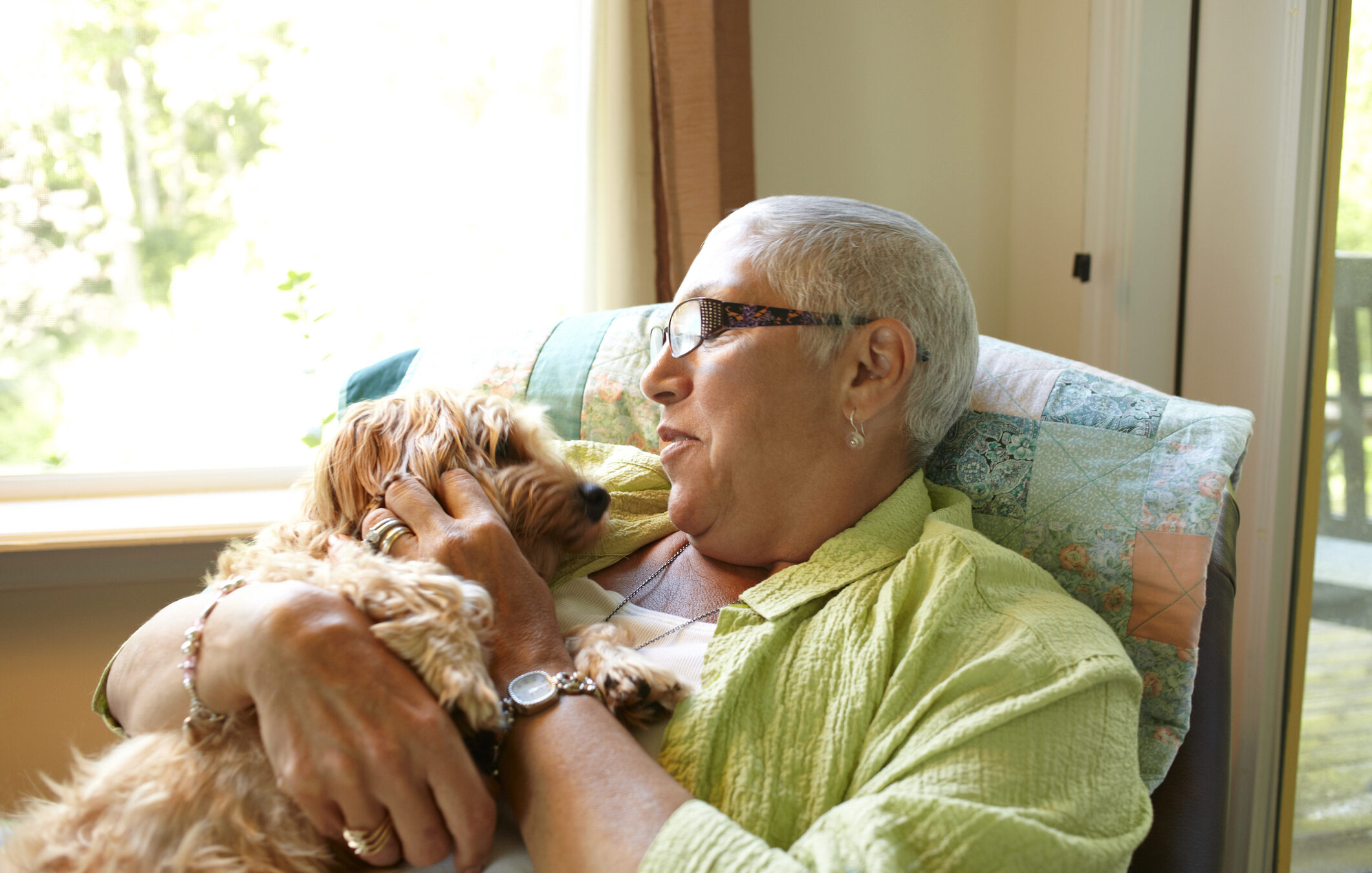
A Texas A&M veterinarian emphasizes that the advantages of having a pet often surpass any challenges older adults may face with the right companion. The older population, particularly those aged 65 and older, is experiencing an increase in social isolation and loneliness, as noted by the National Institute on Aging. Pets can significantly enrich their lives, providing companionship and support.
Read More
Dr. Erin Ray, a clinical assistant professor at the Texas A&M College of Veterinary Medicine & Biomedical Sciences, highlights several physical and mental health benefits associated with pet ownership. These include increased physical activity among pet owners, a reduced risk of heart disease, and greater social interactions, which can lead to decreased feelings of loneliness and stress.
Pets can also bring structure to the daily lives of older adults, requiring regular meals, walks, and playtime. This routine can enhance both physical activity and mental stimulation for both the owner and pet. Moreover, pets fulfill emotional and caregiving instincts, which can be particularly important for seniors whose children may no longer rely on them for constant care. Ray notes that the presence of a pet often motivates older owners to engage in essential daily activities.
The companionship of a pet can foster social connections in the community. Older adult pet owners may find themselves more sociable, walking in the neighborhood or visiting public areas like dog parks, where meeting others becomes easier. These interactions can create a sense of community, leading to networks of mutual support among neighbors.
However, there are challenges associated with pet ownership for older adults. Issues such as managing a pet’s chronic illness, meeting the physical needs of very active animals, and arranging veterinary care can present difficulties. Ray points out that behavioral challenges, such as a pet's separation anxiety, can be particularly problematic.
When selecting a pet, older adults should consider factors such as their physical abilities, lifestyle, and the costs associated with pet care. Dr. Ray advises that the ideal pet should align with the owner’s capabilities and routine. For instance, older individuals who prefer a more relaxed lifestyle may want to avoid high-energy dog breeds.
In addition, older adults at higher risk for autoimmune diseases should approach pet selection with caution, especially considering the health risks associated with certain aquatic pets.
Ultimately, when older adults are able to provide the necessary care, the joy and companionship a pet can offer are invaluable. Involving family members in the care process can further ease any challenges and enhance the benefits of pet ownership, helping to reduce feelings of isolation and promoting a sense of love and appreciation.