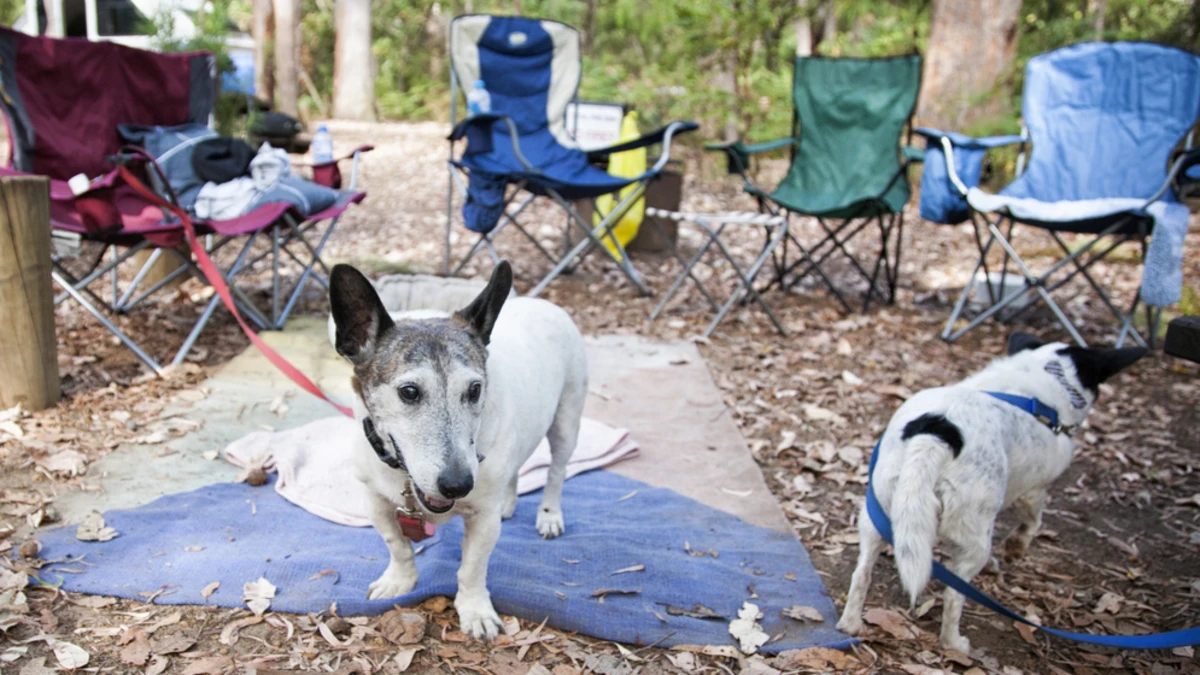
Dog-friendly camping locations in Australia have been identified as having a high to extreme risk for pet parasites this Easter. The PetWatch interactive map, created by Petbarn and Greencross, highlights areas at risk for ticks, fleas, and worms.
Read More
According to PetWatch, the following camping spots are among those with the highest risk this long weekend:
- Ingenia, Southwest Rocks, NSW (High)
- Halifax, Nelson Bay, NSW (Extreme)
- Forster, NSW
- Shoal Bay, NSW
- Wee Jasper, NSW
- Port Macquarie, NSW
- Gold Coast, Qld
Veterinarian Dr. Michael Yazbeck emphasized the importance of being vigilant about parasites, especially given the extreme threat of paralysis ticks, brown ticks, bushticks, heartworm, and fleas in these areas.
Pet owners can take several measures to protect their dogs from parasites. Keeping pets up to date with parasite prevention is crucial. Additionally, trimming your pet's coat can help reduce the likelihood of ticks latching on. Daily inspections of your pet’s skin and coat are recommended throughout the trip, along with bringing a tick removal tool and a pet first aid kit.
It is advised to discourage dogs from running off-leash to avoid encounters with predators and to prevent exploration in areas where ticks may be prevalent. Using a pet-safe insect repellent can also be beneficial.
The signs of a tick or parasite infection can range from mild to severe. Intestinal worms may cause gastrointestinal issues like vomiting, diarrhea, and weight loss, particularly in younger pets. External parasites such as fleas can cause itchiness, while paralysis ticks pose a life-threatening risk, potentially leading to paralysis.
If a tick is discovered, it should be removed without delay. If the tick is small and your pet is on prevention, monitor them closely. However, if a large tick is found or if the pet shows any unusual symptoms, a vet visit is crucial for further evaluation and treatment options. While fleas and intestinal worms can often be treated with over-the-counter products, a vet consultation may be necessary for severe cases.