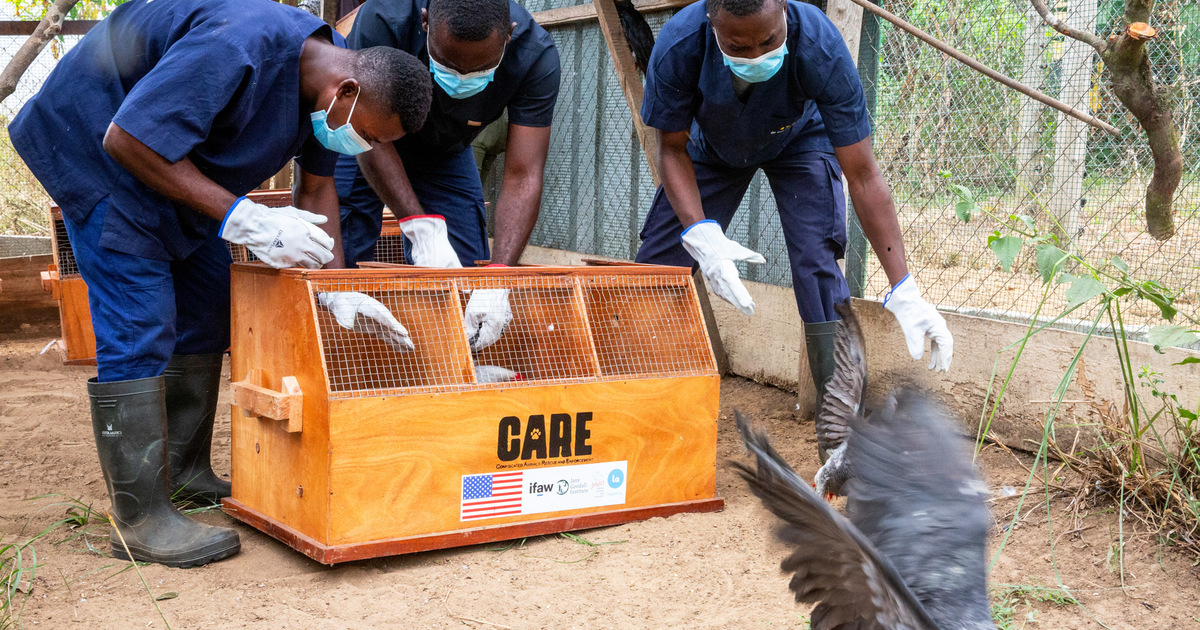
Enforcement officers worldwide prioritize animal welfare during confiscation operations, often encountering wildlife transported in dire conditions. Their role encompasses ensuring traffickers face penalties, communities receive justice, and that wild animals are rehabilitated for future release.
Read More
The CARE initiative involved tailored training sessions across various countries, adapting to the unique needs of each participating agency. Different countries present distinct operational environments; some already have robust animal welfare legislation while others are developing necessary legal frameworks. Consequently, the training focused on identifying and handling species prevalent in each region.
Preparation was crucial, and collaboration with local partners was essential to understand cultural norms and institutional structures. This approach ensured appropriate participation from the right agencies and frontline officers, enhancing both engagement and the lasting impact of the training.
Results from CARE show the effectiveness of these trainings. The International Fund for Animal Welfare (IFAW) trained over 500 frontline officers and provided specialized equipment to aid humane wildlife handling. Additionally, IFAW conducted legal gap analyses in Brazil, Congo, Guyana, and Uganda to support legislative reforms integrating animal welfare into regulations.
Participants reported improved capabilities in recognizing wildlife trafficking indicators and better handling of confiscated animals. A Brazilian frontline officer expressed that his enhanced safety measures improved the animals' chances of survival. Another officer noted the training's positive impact on animal welfare and evidence handling in legal processes.
Post-workshop assessments revealed that 80% of participants demonstrated improved knowledge of wildlife handling and care procedures, as well as evidence collection for legal prosecution. Furthermore, 80% reported increased confidence in identifying sick, injured, or stressed animals, and in providing necessary care.
The CARE workshops fostered collaboration across the wildlife crime response community, bringing together veterinarians, police, customs officers, and NGO representatives. This collective training enhanced understanding of respective roles and strengthened relationships among participants, leading to more effective future wildlife rescue efforts.
Many trainees expressed a newfound competence in their roles and established contact networks for support in species identification and animal care. These enhanced connections contribute to more coordinated responses to wildlife trafficking, with the CARE initiative setting a solid foundation for ongoing collaboration.
The program, funded by the United States Department of State’s Bureau of International Narcotics and Law Enforcement Affairs (INL), is concluded; however, IFAW remains committed to ongoing support, offering training and equipment to ensure animal welfare continues to guide efforts against wildlife trafficking. Future regional trainings aim to unite countries bordering trafficking hotspots, improving enforcement agency responses and increasing survival chances for rescued animals.