Karen Hogan had her first frightening encounter with a dog she deemed vicious while walking with her infant grandson on Jacksonville’s Westside last year. The dog began to growl and approach them aggressively, prompting Hogan to retreat slowly while trying to deter it.
Read More
This incident highlights a growing concern in Jacksonville, where increasing reports of aggressive dog interactions have alarmed residents and animal welfare advocates. Hogan later discovered that the same dog attacked a neighborhood child, raising questions about public safety in the context of no-kill animal shelter policies.
Animal welfare advocates argue that the no-kill philosophy, which aims to save all healthy and treatable pets, may inadvertently leave dangerous animals on the streets when combined with lenient enforcement of animal control laws. Former animal control officers in Jacksonville credit restricted shelter intake policies for contributing to public safety issues. According to animal control officials, they assess each situation on a case-by-case basis.
After Hogan's encounter, 911 was called, but the response was insufficient. Despite being assured help was on the way, Hogan never saw a truck arrive. This prompted subsequent calls about the roaming aggressive dog, which were similarly disregarded.
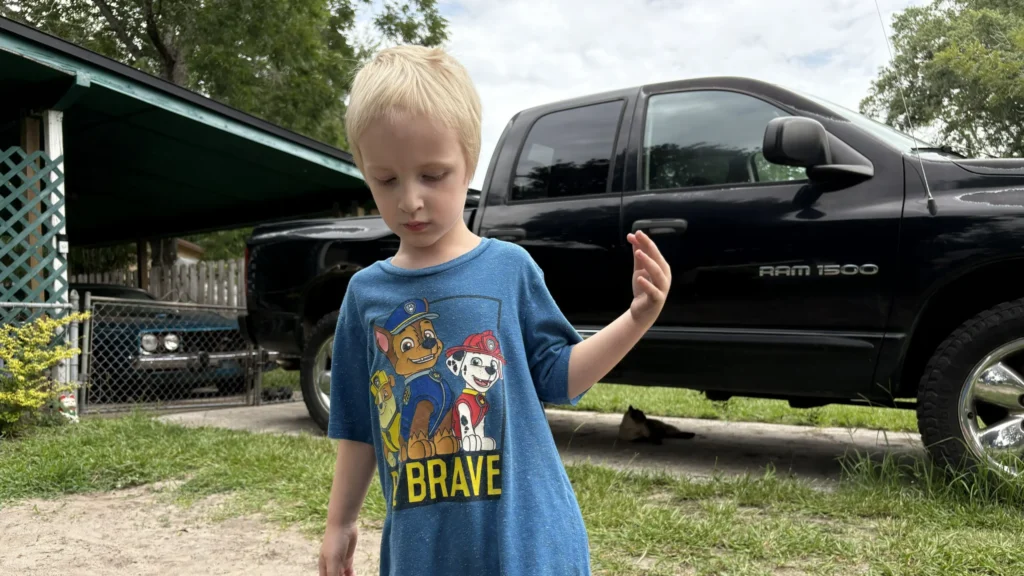
A week later, another incident occurred involving Tracy Moore, who was preparing her autistic daughter for school when the same dog returned accompanied by another. While attempting to comfort her son, Roland, who climbed a fence to reach her, the dog attacked him, inflicting severe injuries that resulted in the loss of his ear. Neighbors intervened to separate the dog from Roland, ultimately saving his life but not without significant trauma.
Following the attacks, Hogan became increasingly frustrated at the lack of response from animal control. She reported feeling that her previous calls had been treated dismissively until the situation escalated to a severe injury.
The no-kill model, which many advocate for, stipulates that at least 90% of shelter animals should be saved. Currently, Jacksonville's Animal Control and Protective Services reports an 83% live release rate, although officials assert that no-kill goals do not dictate their handling of aggressive cases.
Meanwhile, data from the Florida Department of Health indicates a steep rise in dog bite incidents, jumping from 585 in 2022 to 2,155 in 2023, and further increasing to 3,173 in 2024. However, Animal Control reported a relatively stable figure of around 1,100 bites during the same period.
Joe Casey, a former animal control officer, expressed concerns about policy changes that prioritize lower response rates to nonurgent calls. He described a directive under interim Chief Marcy Gallo, suggesting a limited intake approach to manage shelter populations, as contributing to the challenges faced by the community.
The no-kill movement, supported by organizations like Best Friends Animal Society, aims to redefine shelter practices yet has faced scrutiny for its implications. Critics, including former animal control leaders, suggest that limiting shelter intake might not alleviate issues of animal welfare and public safety. Casey and others worry that without adequate response measures, the existing issues around aggressive dogs will persist.
In the aftermath of the violent attack on Roland, the dogs responsible were euthanized, although there were inconsistencies in how the incident was reported. Roland underwent surgery that ultimately failed to preserve his ear, and he is now left with permanent scars as families navigate the implications of the incident and ongoing community safety concerns.
Despite a reported decrease in dog bites in 2025, the impact of the attack echoes as more than 1,000 people have been reported to have been bitten in 2026 already. Roland's family is currently left to grapple with the situation, focusing on Roland's recovery and his future, while considering legal recourse against the city.