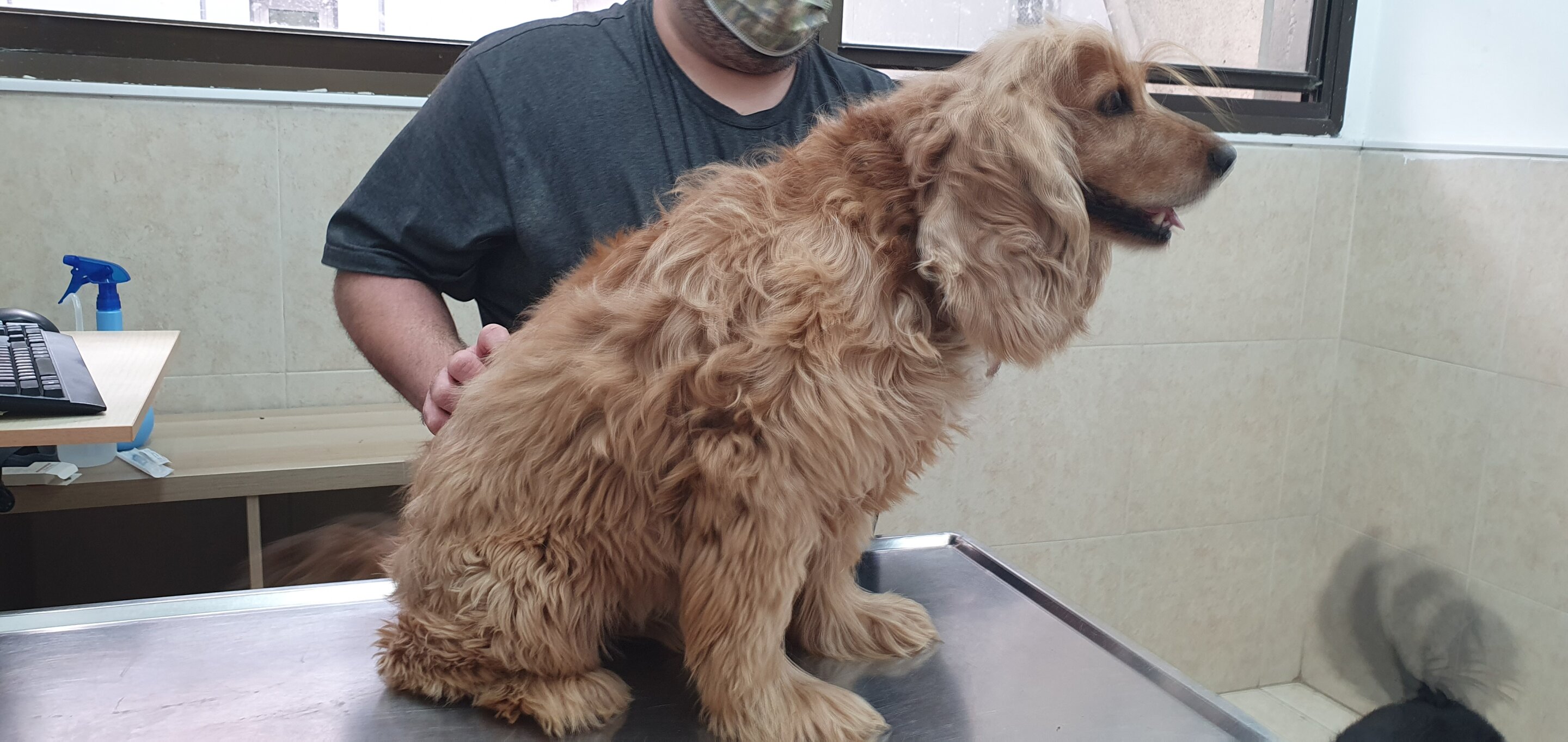
A study in the Journal of Veterinary Internal Medicine reveals that overweight and obese dogs experience significantly higher eye pressure compared to their lean counterparts. Specifically, eye pressure increases by 1.9 mmHg for each unit rise on the body condition score. The authors propose that excess body fat, along with metabolic changes, may hinder fluid drainage within the eye, potentially acting as a modifiable risk factor for dogs predisposed to glaucoma.
Read More
Led by Dr. Oren Pe'er from the Koret School of Veterinary Medicine at The Hebrew University of Jerusalem, the study examined 40 healthy dogs, whose weights ranged from lean to obese. Researchers employed various methods, including a 9-point body condition score and a canine body mass index, to assess body fat levels.
Results indicated a notable disparity in eye health based on weight. Overweight and obese dogs showed a typical eye pressure of 20.3 mmHg, significantly higher than the 13.7 mmHg seen in lean dogs. Although both groups were within the normal safe range, the heavier dogs approached the upper limit of 25 mmHg where health issues may arise.
Additionally, for every one-point increase on the body condition scale, eye pressure rose by nearly two points. A 10% increase in body mass index corresponded to an almost 3-point jump in eye pressure, indicating a direct correlation between body condition and ocular health.
Scientists theorize that several factors could contribute to this phenomenon. Accumulation of fat around the eye and increased venous pressure may impede fluid drainage. Metabolic shifts associated with obesity, such as elevated levels of certain fats and hormones, might also impact eye pressure. The study identified higher levels of triglycerides and leptin in overweight dogs, both linked to increased eye pressure.
Dr. Oren Pe'er stated, "Higher body condition in normal dogs is significantly associated with higher intraocular pressure. Obesity might be a modifiable risk factor in dogs predisposed to glaucoma."
While the eye pressure for both groups remained within the normal range of 10 to 25 mmHg, the 6.6 mmHg difference is significant. For breeds at risk for glaucoma, this elevated pressure could be a crucial factor affecting long-term eye health. The findings underscore the importance of weight management, emphasizing that it contributes not only to mobility and overall health but also to preserving normal eye function and reducing disease risk in predisposed breeds.