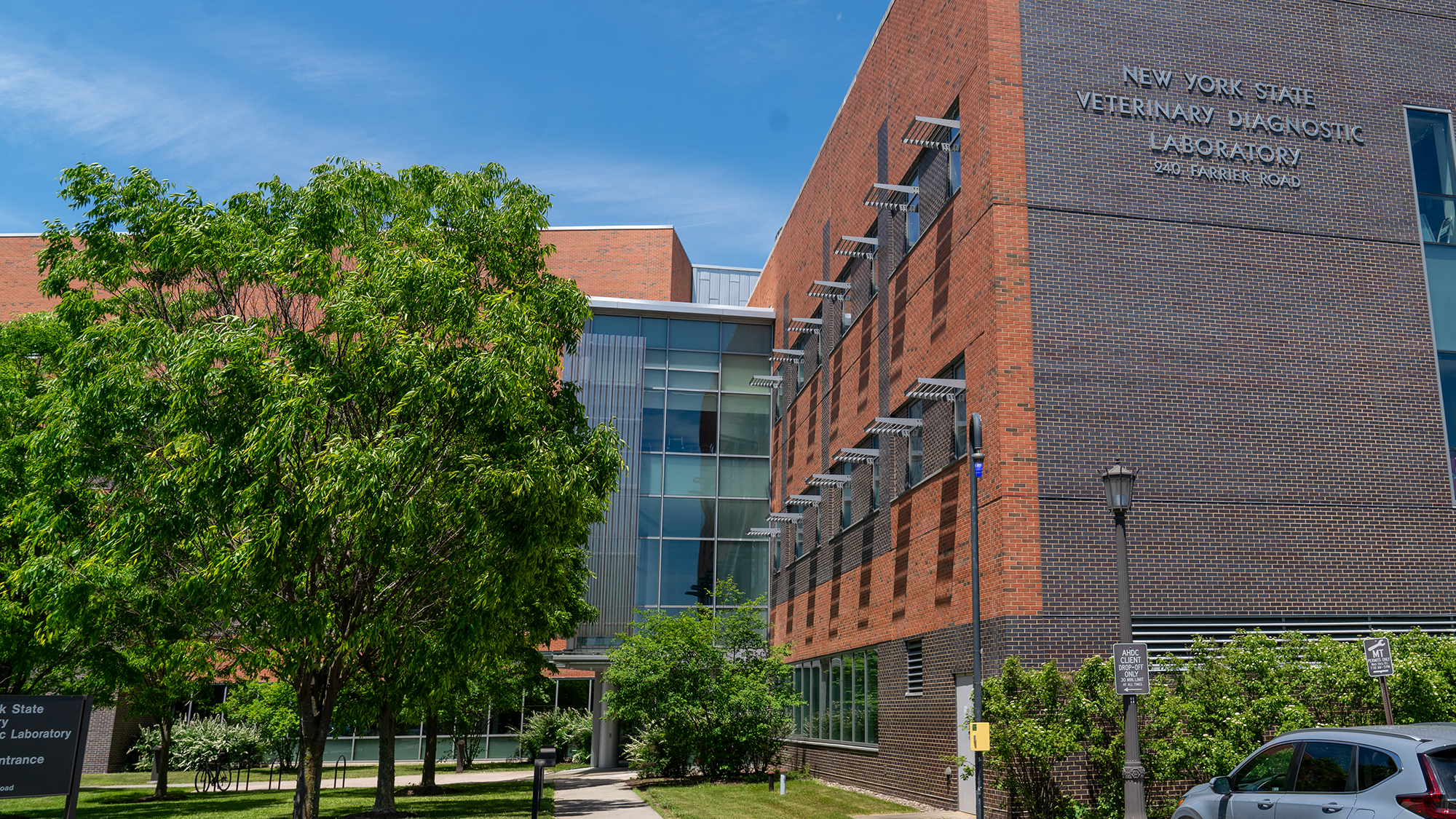
On September 25, 2026, an adult double-crested cormorant in New York tested positive for a highly pathogenic strain of Newcastle disease virus (NDV), specifically known as virulent Newcastle disease virus (vNDV) or exotic Newcastle disease (END). Necropsy findings included splenic necrosis and subcutaneous edema.
Read More
NDV is classified as avian orthoavulavirus 1 (AOAV-1) and was historically referred to as avian paramyxovirus serotype 1 (APMV-1). It is a pleomorphic, enveloped, negative-sense single-stranded RNA virus in the Paramyxoviridae family. The virus is divided into class I and class II strains, with genetically diverse class II strains causing severe illness in poultry.
Although NDV can infect humans, it typically only results in conjunctivitis. The virus exists in three pathotypes: highly pathogenic (velogenic/virulent), intermediate (mesogenic), and low-virulence (lentogenic). Velogenic viruses lead to acute and contagious diseases with severe lesions in various systems, including respiratory and gastrointestinal.
Transmission of NDV primarily occurs through respiratory secretions and feces from infected birds. Cross-contamination can also happen through contaminated equipment and clothing. Wild birds, such as double-crested cormorants, can serve as reservoirs, spreading the virus over long distances through migration and potentially affecting domestic poultry.
NDV is endemic in many regions globally, and outbreaks can recur even with vaccination efforts due to genetic divergence between vaccine and circulating strains. Symptoms in poultry, which may include respiratory distress, diarrhea, and decreased egg production, are non-specific and similar to those caused by avian influenza, necessitating laboratory confirmation of NDV.
The USDA has designated virulent NDV as a Tier 1 Select Agent, requiring specific protocols for virulence assessment, including initial PCR detection and further testing of the fusion-gene cleavage-site region. In this incident, a choanal swab PCR result was positive for NDV at an approved National Animal Health Laboratory Network (NAHLN) laboratory, followed by confirmation at the USDA National Veterinary Services Laboratory (NVSL) in Ames, Iowa.
Preventative measures include strict biosecurity and vaccination programs. While current vaccines can reduce morbidity and mortality, they do not fully prevent infection or transmission. As of now, there is no effective treatment for NDV.