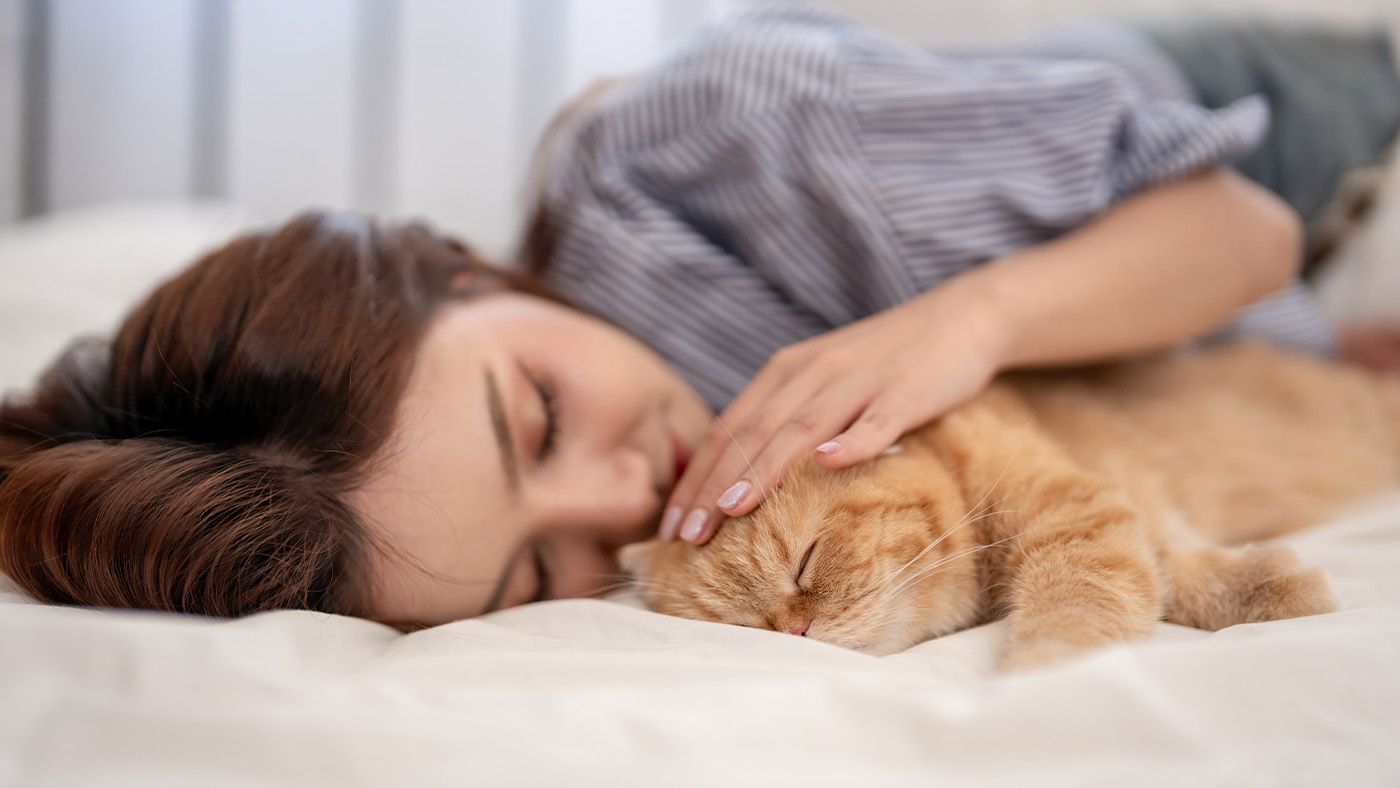
A recent study suggests that cats may be more effective therapy animals than previously thought. While therapy dogs are commonly recognized for their roles in hospitals, schools, and retirement homes, cats often do not receive the same acknowledgment. This research, led by Professor Patricia Pendry from Washington State University in collaboration with Belgian researchers, investigates the behaviors of cats in therapeutic environments.
Read More
The study, published in the journal Animals, highlights that certain cats display consistent friendly behaviors that could help individuals cope with stress and anxiety. Pendry noted that there is a common perception that cats are unsuitable for therapy work; however, the findings indicate that some cats possess traits similar to those of therapy dogs, such as high sociability and a willingness to engage with people.
According to the research, cats involved in animal-assisted services (AAS) tended to be more social, attention-seeking, and tolerant of being handled, including being picked up. This suggests that integrating cats into therapy programs could make these interventions more accessible, especially for individuals who might prefer the calm companionship of a cat over a more energetic dog.
However, the study acknowledges that not all cats are well-suited for therapy roles, as these animals typically aren't trained like therapy dogs. Instead, certain cats naturally exhibit the necessary personality traits. While some breeds, such as ragdolls and Maine Coons, are often considered more sociable, this study did not examine breed-specific behaviors but focused on individual cat traits.
Further research is needed to explore how therapy programs can effectively incorporate cats while ensuring their welfare, as even well-suited cats might feel overwhelmed in high-stimulation environments. The potential for therapy programs to benefit both cats and their human clients is significant.