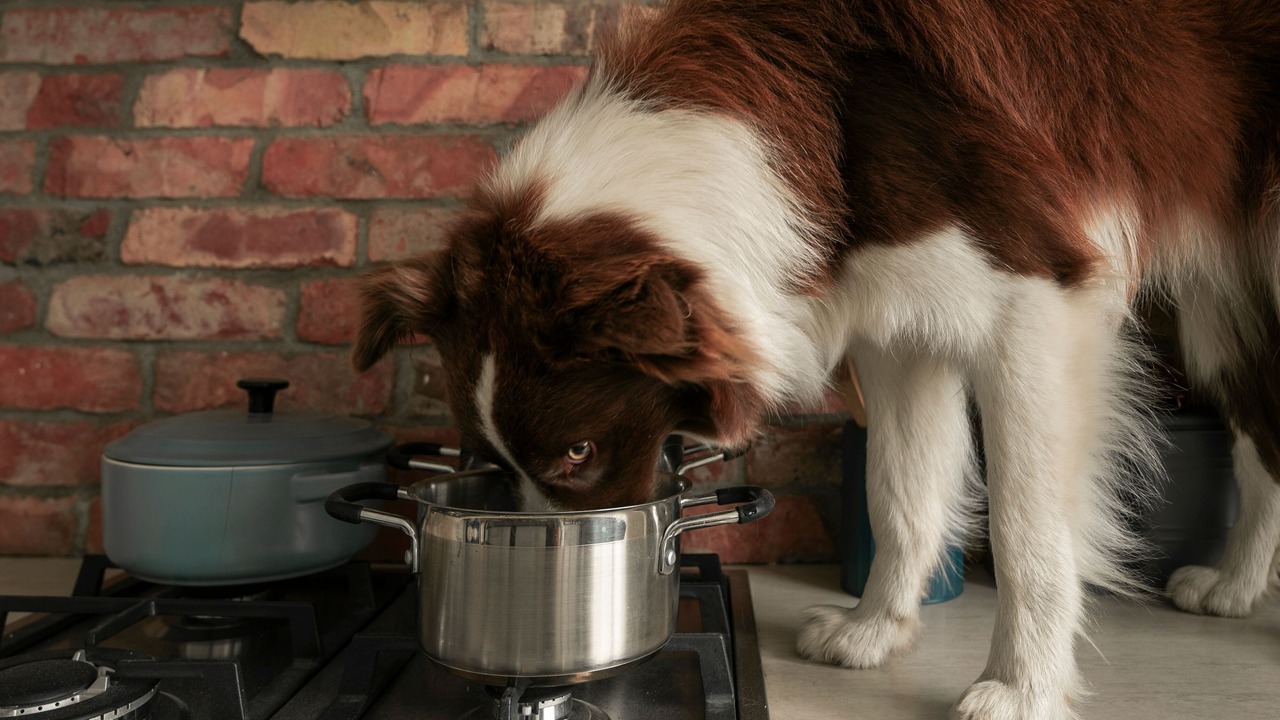
The popularity of raw feeding among dog owners has surged as people seek what they believe to be a more natural dietary option. Advocates of raw diets often claim benefits such as shinier coats, cleaner teeth, and healthier pets, according to Cape Town Etc.
Read More
However, veterinarians are expressing serious concerns about the implications of making raw food a primary component of a dog’s diet. Dr. Jan, a veterinary consultant for Bob Martin, advises against raw diets as the main source of nutrition. He argues that while raw foods can sometimes serve as treats, the complexities involved make it unsuitable as a complete diet. ‘There are simply too many variables and too little control,’ Dr. Jan states.
A significant issue with raw feeding is the risk of bacterial contamination. Raw meats and ingredients can harbor harmful bacteria such as Salmonella, E. coli, Campylobacter, Pseudomonas, and Listeria. Even if a dog shows no signs of illness, it can carry bacteria in its saliva and feces, posing a risk to other household members. This concern is amplified in homes with young children, the elderly, pregnant women, or individuals with weakened immune systems. Dr. Jan notes, ‘This isn’t just about the pet; dogs can become carriers and expose people within the home.’
Cooking food generally reduces the risk of bacterial contamination, whereas raw feeding requires stricter attention to storage, preparation, and hygiene—practices that can be challenging for busy families.
Beyond safety concerns, there is also the complexity of meeting a dog's nutritional needs. Dogs require a balanced diet that includes not just protein, but also fats, vitamins, and minerals, which vary with age and life stage. Commercial dog foods are formulated to meet these requirements with production and quality controls ensuring consistency. In contrast, homemade raw diets can be nutritionally inadequate if not carefully planned and monitored. Dr. Jan warns that nutritional deficiencies or excesses can arise from poorly formulated feeding plans.
In South Africa, while there is growing interest in natural and wholesome pet food options, research indicates that raw feeding remains a niche practice. Many pet owners typically stick to complete dry foods, occasionally adding wet food or other treats.
For those seeking to diversify their dog's meals, cooked lean meats and veterinarian-approved wet foods or treats can be safer alternatives. However, any changes should not disrupt the balanced nutrition provided by a complete diet. Dr. Jan recommends consulting with a veterinarian for guidance on significant dietary changes, especially for puppies, senior dogs, or pets with specific health needs. He emphasizes the importance of prioritizing long-term health and safety over perceptions of what may seem naturally appealing in a food bowl.
Pet owners should carefully consider nutritional adequacy, food safety, household hygiene, and individual dog needs before making substantial changes to their pet's diet.