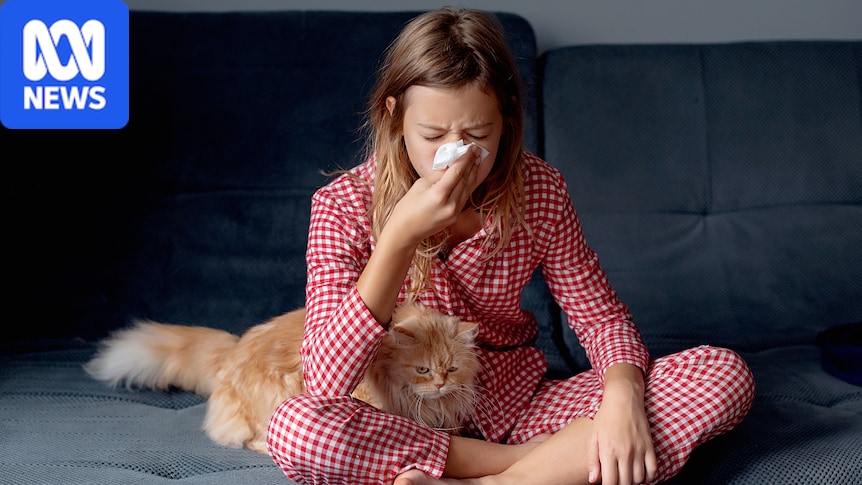
Up to 20 percent of Australians are allergic to pet dander, a figure that is rising globally. While humans have coexisted with pets for thousands of years, allergies can create challenges for animal lovers.
Read More
Pet allergies can range from mild to severe, and symptoms may include swelling of the face, hives, wheezing, and stomach pain, with anaphylaxis being a rare but possible reaction. For those experiencing severe allergies, avoiding pets altogether is advisable. However, individuals with milder allergies may still enjoy companionship with animals.
John Upham, head of the Lung and Allergy Research Centre at the University of Queensland, notes that various approaches exist for managing pet allergies, depending largely on the allergy's severity. The first step in addressing the issue is to accurately identify the source. It’s important for individuals to consult an allergy specialist for tests to confirm if they are allergic to pet dander or another irritant, like dust mites or mold.
While the most effective way to manage a pet allergy is to avoid exposure, this can be difficult for those who wish to keep a pet. Limiting exposure may involve washing hands after contact with the animal and keeping pets out of bedrooms to reduce allergen inhalation during sleep. However, dander can easily remain in the environment, traveling on clothes and other surfaces.
Exposure to small amounts of pet dander as a child, known as 'passive exposure,' has been linked to a rising incidence of allergies. Professor Upham indicates that allergic sensitization, where the immune system mistakenly identifies harmless substances as threats, is more common in children, especially if there is a family history of allergies.
Research suggests that early exposure to pets may reduce the risk of developing allergies. A Swedish study found a significant drop in allergies among children who lived with five or more pets in their first year of life.
For those already allergic, becoming desensitized can vary. Some people may develop tolerance to pet dander over time, while others might experience worsening symptoms. While minor allergies typically do not lead to serious health issues, those with asthma triggered by allergies should seek treatment. Options for management include immunotherapy, which retrains the immune system and takes at least three years, and antihistamines for symptom relief.
Individuals considering pet ownership should evaluate potential allergy issues beforehand. Sarah Zito, a senior scientific officer at the RSPCA, advises prospective pet owners to conduct thorough assessments to determine allergy risk. Spending time with the breed in consideration can help gauge tolerance, though prolonged exposure could still result in allergies developing.
Choosing hypoallergenic breeds, such as poodles or Russian blues, may mitigate allergy symptoms, but no pet is entirely allergen-free. It is crucial to assess compatibility with lifestyle, budget, and long-term care capabilities before adopting a pet.