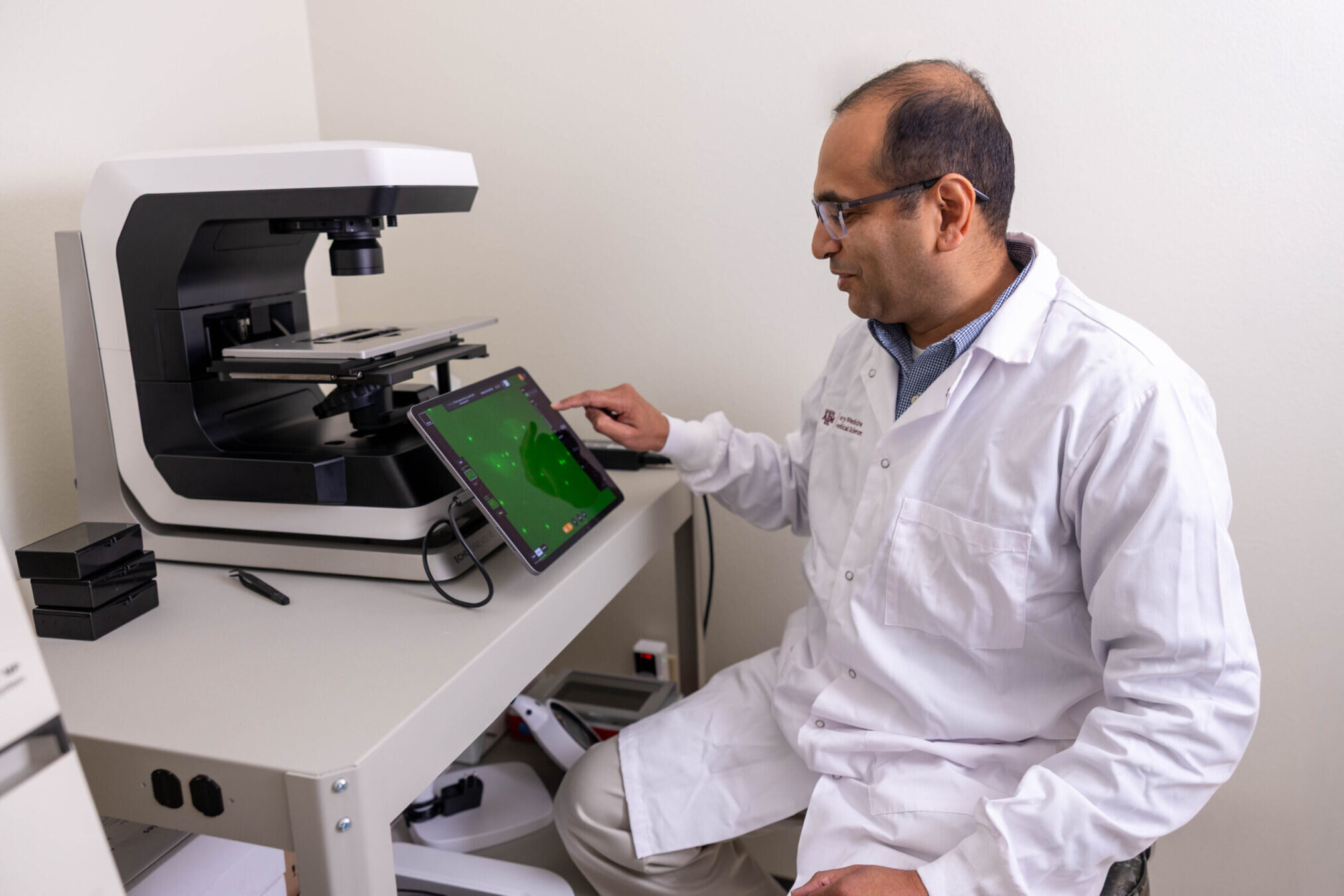
Dr. Adi Joshi and his research team at the Texas A&M College of Veterinary Medicine and Biomedical Sciences (VMBS) are investigating MAP4K4 as a promising therapeutic target for metabolic dysfunction-associated steatohepatitis (MASH), a progressive form of fatty liver disease. MASH is characterized by excessive fat accumulation in the liver, leading to inflammation, tissue damage, and scarring, which can progress to cirrhosis and liver failure.
Read More
While new medications for MASH have recently emerged, they are limited to advanced disease stages and often carry side effects. The latest research published in JHEP Reports has unveiled an experimental compound, GPPD, which reduces fat buildup, inflammation, liver injury, and scarring in preclinical models, potentially paving the way for new treatment options.
Dr. Joshi stated that targeting the MAP4K4 pathway mitigates key aspects of MASH, providing hope for patients with limited therapeutic choices. Unlike traditional therapies, Joshi’s team focused on MAP4K4, a protein that regulates several biological pathways. They discovered that MAP4K4 levels increase as the disease progresses, making it a viable target for intervention.
The research team, in collaboration with the University of Oklahoma, tested GPPD, a small-molecule inhibitor that selectively blocks MAP4K4's activity while maintaining its normal functions. This approach aims to reduce disease progression without the drawbacks of entirely removing the protein.
Their findings indicate that GPPD successfully improves multiple features of MASH simultaneously, challenging the trend of experimental therapies that typically address only one aspect of the disease. Dr. Joshi emphasized the importance of targeting multiple interconnected pathways, as MASH involves complex metabolic interactions.
Additionally, the study uncovered a previously unrecognized signaling pathway linked to MAP4K4 that influences disease progression, offering further avenues for identifying additional therapeutic targets.
Preclinical testing also revealed GPPD's favorable safety profile, with no significant toxicity observed thus far. The research team is currently conducting pharmacokinetic studies to assess how the compound is absorbed and processed by the body, which will inform future clinical trials on dosage and efficacy.
If findings continue to be positive, Dr. Joshi believes this therapy could benefit patients whose MASH has advanced but not yet reached critical severity. He underscored the importance of discovering novel treatment options for the millions affected by this condition.