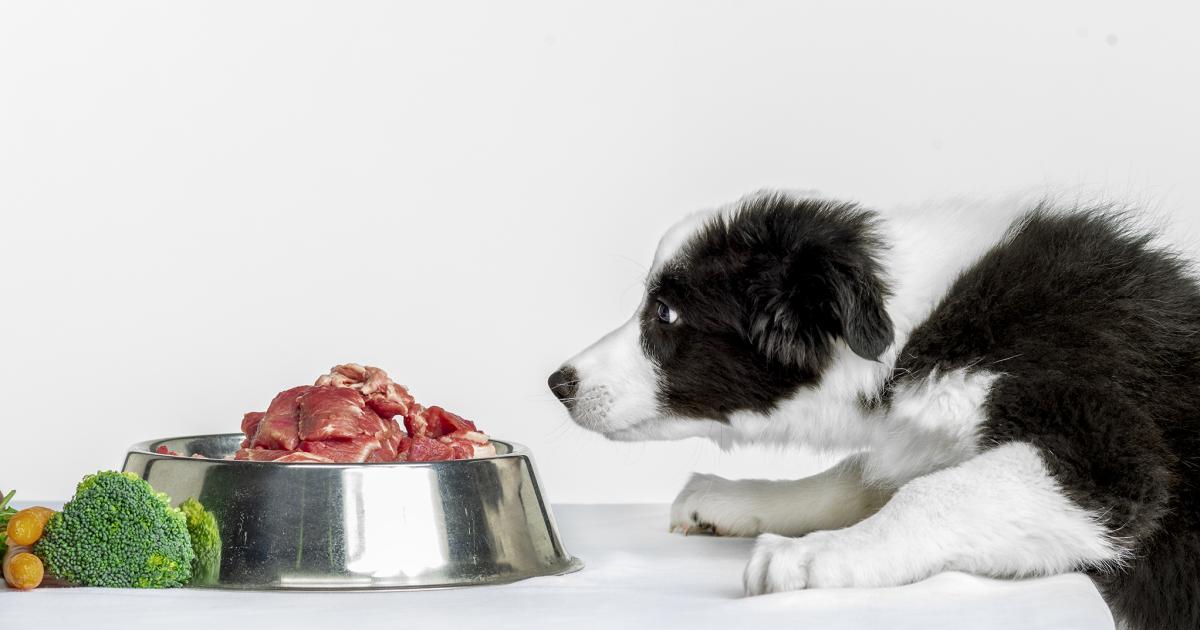
A recent study from the University of Helsinki indicates that a puppy's diet may significantly influence the development of allergies and atopy-related skin symptoms in adulthood.
Read More
The research involved 4,022 dogs, examining the relationship between their diets during puppyhood and their subsequent health as adults. The findings revealed that puppies fed raw tripe, raw organ meats, and human meal leftovers had notably lower incidences of allergy and atopy-related skin issues later in life. Conversely, those not receiving raw foods, primarily consuming dry kibble, fruits, and heat-dried animal parts, experienced a higher prevalence of such symptoms as adults.
The study highlighted that feeding puppies at least 20% raw food, or limiting dry food consumption to under 80%, was associated with a significant decrease in allergy and atopy symptoms in adult dogs. Dogs that did not consume any raw food or had diets comprising 80% or more dry food showed a marked increase in these health issues. Moreover, feeding puppies processed commercial dog foods such as canned items was linked to higher rates of symptoms, while avoiding these foods altogether reduced prevalence.
Hielm-Björkman, the research group leader, emphasized that even a small proportion of raw food in the diet demonstrated health benefits. Additionally, puppies consuming air-dried raw food, such as dead animals found outdoors, also exhibited lower incidences of allergies and atopy-related symptoms as adults.
The study aims to provide dog owners with insights on enhancing their pets' health spans. The researchers noted a correlation between lower rates of allergy symptoms and diets rich in fresh foods, advocating against processed foods and sweet fruits for puppies. However, they cautioned that while the findings suggest a causal relationship, further diet intervention studies are necessary to clarify the connections between dietary factors and the development of these health issues.
The study was published in the Journal of Veterinary Internal Medicine on September 14, 2021, authored by Manal B. M. Hemida and colleagues.