Mark Steele, the vice-president of RSPCA New South Wales, has resigned from his position, expressing deep dissatisfaction with the welfare standards associated with RSPCA-certified chicken. Steele, a senior counsel who joined the board as a volunteer member in 2021 and held a non-executive role at RSPCA Australia until March 2023, announced his departure at the end of September on LinkedIn.
Read More
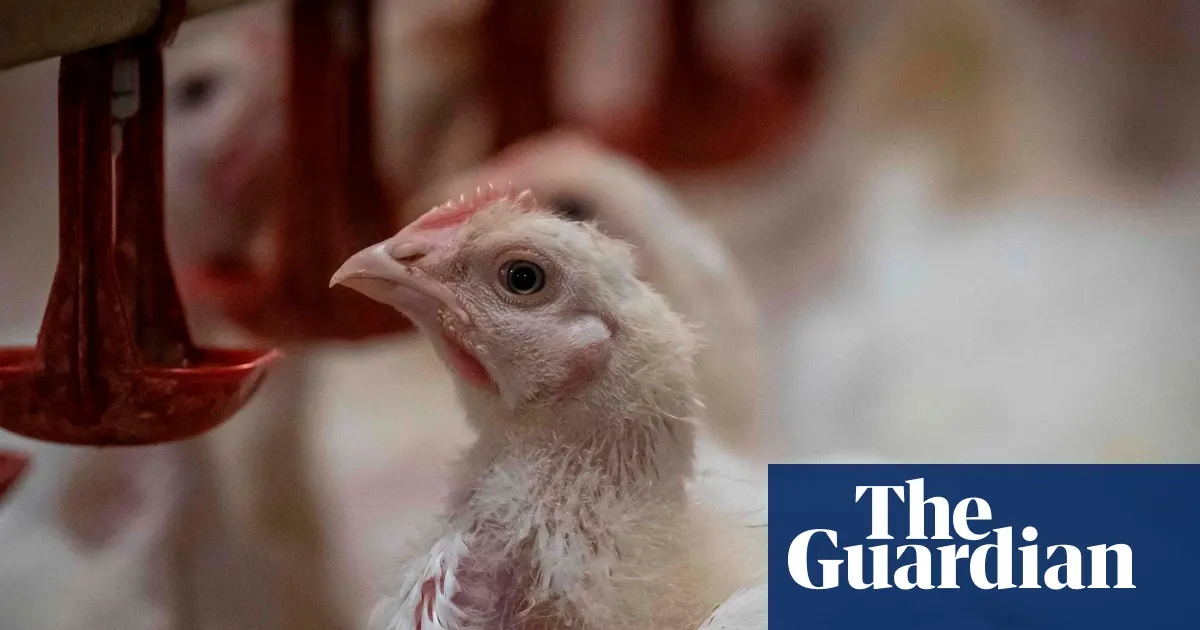
In his statement, he voiced his shame regarding the use of the RSPCA's trusted brand to certify 97% of Australia's meat chickens, which are primarily produced from two fast-growing breeds that are slaughtered at just four to six weeks of age. Chicken consumption in Australia has soared over the past three decades, with an average of 55 kg per person eaten annually, constituting nearly half of all meat consumed in the country.
Steele criticized the assumption that consumers make when they see the RSPCA logo, believing it indicates that chickens lived humane lives. He stated, “In my opinion, a life like that cannot fairly be called good; which is why I don’t buy this chicken.”
Animal welfare experts, including Jed Goodfellow from the Australian Alliance for Animals, support Steele's concerns, noting that fast-growing breeds often suffer from various health issues due to their rapid growth rates, which can compromise their welfare.
Despite recent updates to its animal welfare standards for chicken meat, effective January 1, 2031, the RSPCA has not committed to phasing out fast-growing breeds. The new standards require lower stocking densities and phased-out methods of slaughter but do not provide a mandatory transition to slower-growing breeds. Instead, the RSPCA introduced a voluntary category of “enhanced” welfare standards to encourage the adoption of these slower-growing breeds, but lacks a consumer label for identification.
Steele described the updated standards as a minor improvement but criticized the lack of an end date for transitioning away from fast-growing breeds, arguing that consumers would remain unaware of welfare issues as long as the RSPCA logo was present. He concluded that he would continue to feel ashamed of the association until more decisive action is taken.
Previously, Melina Tensen, RSPCA's senior scientific officer, indicated that the organization aims to see a gradual replacement of fast-growing breeds and encouraged consumers to advocate for this change by supporting retailers who offer better welfare options.