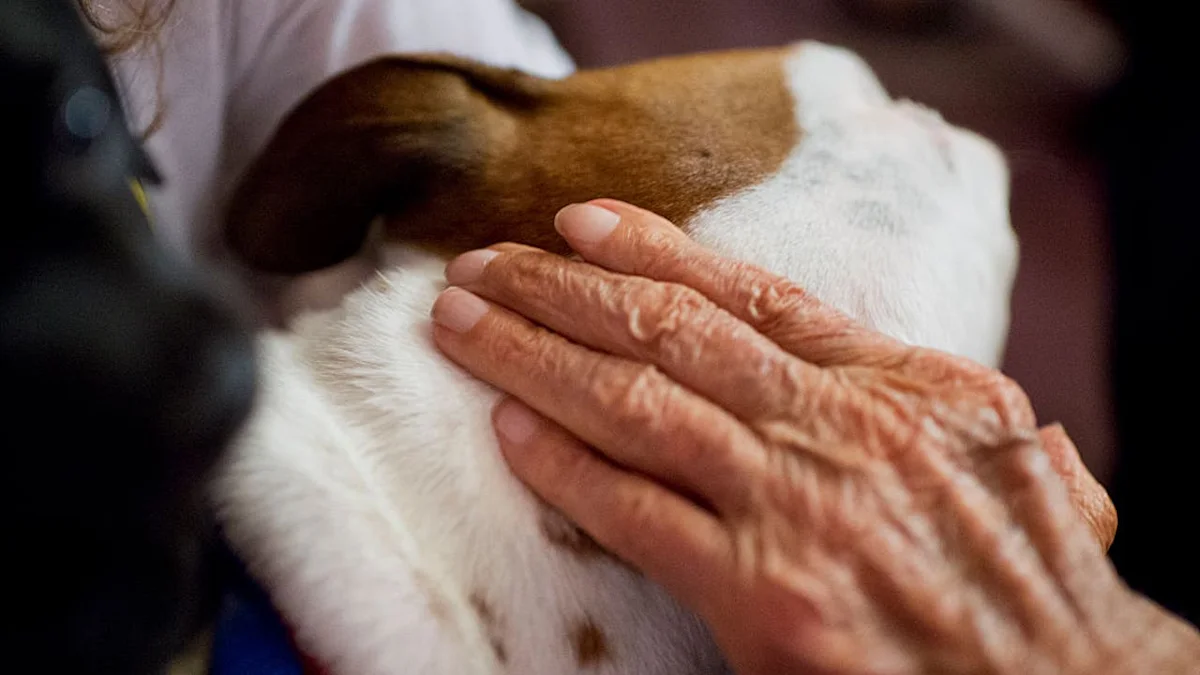
As pets age, changes in behavior, sleep patterns, and mobility can often be mistaken for normal aging. However, these changes may actually indicate cognitive dysfunction, commonly referred to as dementia.
Read More
Dr. Joel White, a clinical assistant professor of neurology and neurosurgery at Texas A&M University, points out that dementia is a diagnosable condition in older pets. He emphasizes that while there is no definitive cure for dementia in dogs and cats, there are management strategies that pets and their owners can explore to improve their quality of life.
Symptoms of dementia in pets can manifest as disruptions in their sleep-wake cycles, increased anxiety, or decreased interaction with both their owners and other animals. More subtle signs may include a loss of interest in daily activities such as walks, playtime, or jumping onto furniture, which owners might incorrectly attribute to aging or arthritis.
Dr. White advises pet owners to be vigilant regarding any unusual behavior. While a single incident may not warrant concern, multiple behavioral changes over several weeks or months should prompt a veterinary examination. Researchers have found that cognitive dysfunction in pets may share biological traits with human dementia, including a buildup of beta amyloid, a protein that can impair brain function.
Environmental changes can exacerbate the symptoms, making pets more disoriented and confused. This can be particularly challenging for owners, especially when their pets display behaviors like pacing or nocturnal disturbances, which are unintentional responses to their condition.
Dr. White encourages pet owners to exercise patience: "Give your pet grace, give yourself grace. It’s OK to feel frustrated. But it's not a choice that anyone is making. Your pet doesn't have any control over this."
Veterinary visits are essential for any consistent behavioral changes in older pets, as these changes could stem from dementia, arthritis, or other health issues. The Associated Press contributed to this report.