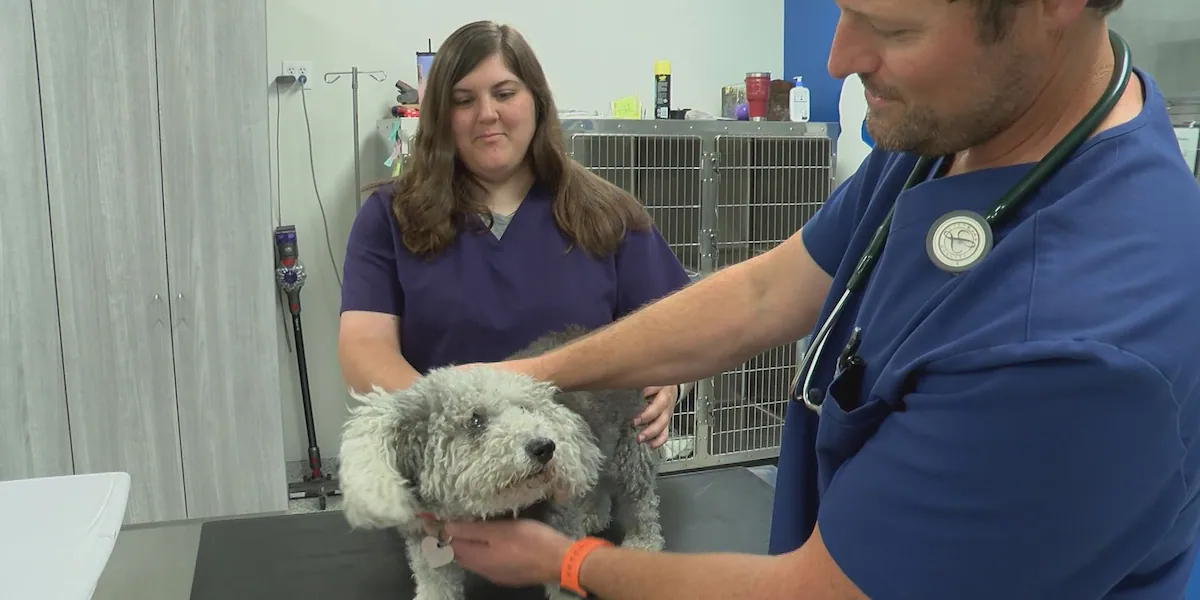
RICHMOND, Va. – A significant shortage of veterinarians across the United States is affecting pet owners in Richmond, with local clinics struggling to meet the demand for care. Scott’s Addition Animal Hospital, owned by veterinarians Jason and Jane Hiser, has not accepted new clients for nearly three years due to staffing limitations.
Read More
The Hisers, along with their small team, work extended hours to care for the animals that do come through their doors. Jason Hiser noted the challenge in hiring additional veterinarians and support staff to fulfill the growing need for veterinary services. The hospital has a daily patient load of 20 to 25, but the staff is limited to the two co-owners.
The American Association of Veterinary Medical Colleges anticipates a shortfall of approximately 17,000 veterinarians by 2032, with only 3,500 to 4,000 graduating each year while about 2,000 leave the profession annually. Large-animal veterinarians are particularly scarce, prompting the U.S. Department of Agriculture to identify Hanover, Louisa, and Goochland counties as high-priority areas and allocate additional funding to address the shortage.
Factors behind the shortage include the physically demanding nature of large-animal care, inadequate compensation, and veterinarian burnout, which has led some to retire early. The limited number of veterinary schools – only 33 accredited institutions in the U.S., with just one in Virginia – further complicates the situation.
Recent veterinary graduates face an alarming average debt of over $200,000, making it challenging for them to pursue a profession where initial salaries often do not align with their education costs. Emotional stress from the profession, coupled with client frustrations over scheduling delays, places additional pressure on veterinary staff. Hiser remarked on the difficulties of managing client expectations when appointments are weeks out due to the shortage.
To alleviate the burden, discussions are ongoing about establishing mid-level practitioner roles in veterinary medicine, akin to physician assistants in human healthcare. New veterinary schools, such as one recently opened at Clemson University, may eventually help increase the number of qualified professionals. However, the time it will take for these institutions to contribute to the workforce remains an ongoing concern.
Virginia and Maryland's veterinary school, the Virginia-Maryland College of Veterinary Medicine, allocates limited seats between the two states, while several states, including West Virginia and Kentucky, lack dedicated veterinary schools. Many students who attend programs out of state do not return to areas in need of veterinary services.