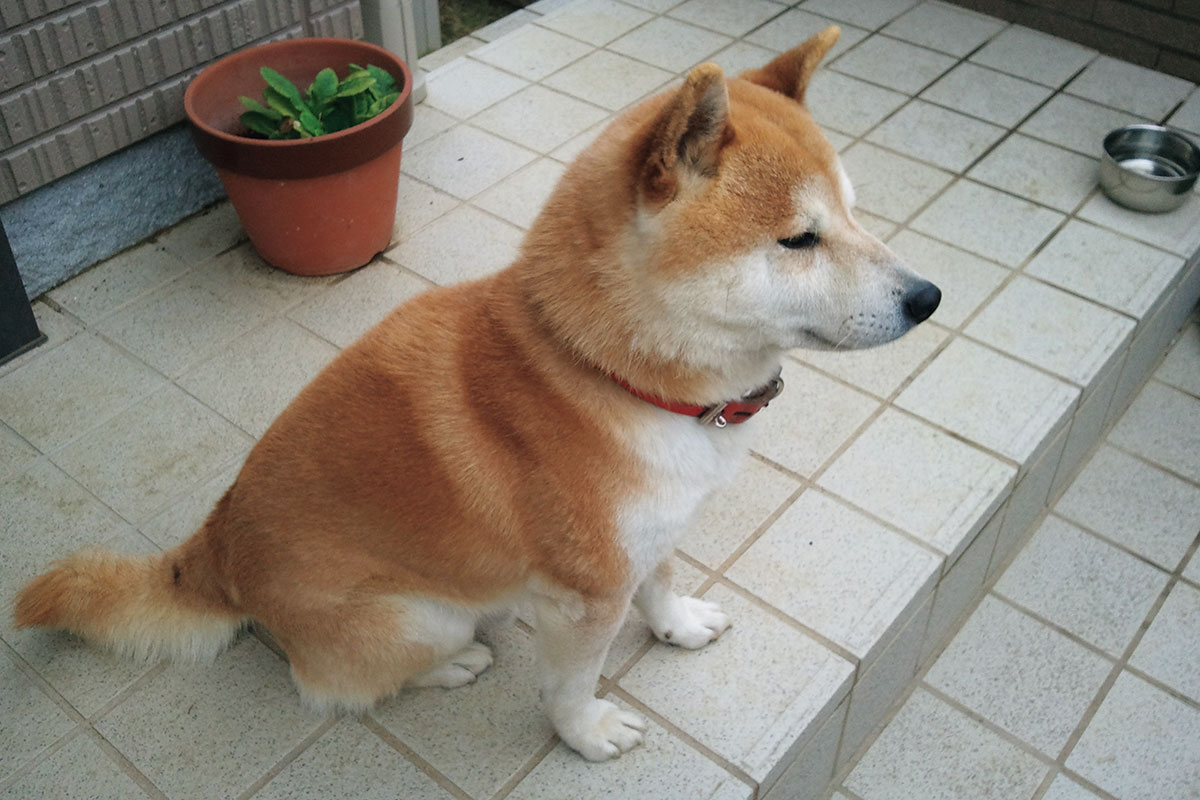
The University of Tokyo is conducting research to improve the co-living environment for dogs and their owners by addressing canine behavioral issues. This initiative involves specialists from various fields, including veterinary surgery, ethology, and animal-assisted interventions.
Read More
Assistant Professor Ryoko Yamada leads research at the Laboratory of Veterinary Ethology and treats dogs at the Veterinary Medical Center of the Graduate School of Agricultural and Life Sciences. Common behavioral problems in dogs, such as aggression and separation anxiety, can burden owners. According to Yamada, these behaviors can severely impact dogs' health and, in extreme cases, lead to abandonment or euthanasia, highlighting the importance of addressing these issues from both a veterinary and animal welfare perspective.
A survey of 2,000 dogs in Japan identified breed-specific behavioral problems. Popular breeds like Shiba Inus, toy poodles, miniature dachshunds, and chihuahuas exhibit distinctive issues. For example, Shiba Inus are prone to tail injury and aggression, while toy poodles tend to bark at noises. These findings emphasize the need for tailored approaches based on breed tendencies. Yamada’s lab is particularly focused on the genetic factors influencing Shiba Inus’ behavior, considering they are a designated National Monument of Japan.
The Veterinary Medical Center's Department of Veterinary Behavior sees many clients due to aggressive behaviors, accounting for 60% of its cases. The treatment process involves detailed interviews with owners about their pets’ behaviors, living conditions, and possible physical factors through tests like blood work and imaging. The veterinary team uses behavior modification, drug therapy, and sometimes surgical interventions to manage these problems. Behavioral therapies are based on learning principles, and medications may be prescribed after discussions with the dog's owner.
In addition to treating animals, Yamada’s role allows for ongoing research that aims to develop effective interventions for problematic behaviors, improving relationships between dogs and owners. The laboratory is conducting genome analysis to further investigate genetic contributions to these issues.
The Veterinary Medical Center also features a visitor-friendly space called “Churu Hiroba,” funded through a donation program with Inaba Petfood Corporation. Recent renovations, funded by the Veterinary Medical Center Future Fund, have enhanced this space, making it more accommodating for pets and their owners.