Environmental DNA (eDNA) analysis is changing how scientists monitor ecosystems by allowing them to gather biodiversity data from a simple scoop of soil or water. This innovation may reduce the need for risky fieldwork.
Read More
Despite significant funding and media coverage, wildlife poaching remains a persistent issue. However, small teams working in challenging conditions are making strides that larger organizations have not achieved. Grassroots efforts play a crucial role in this fight.
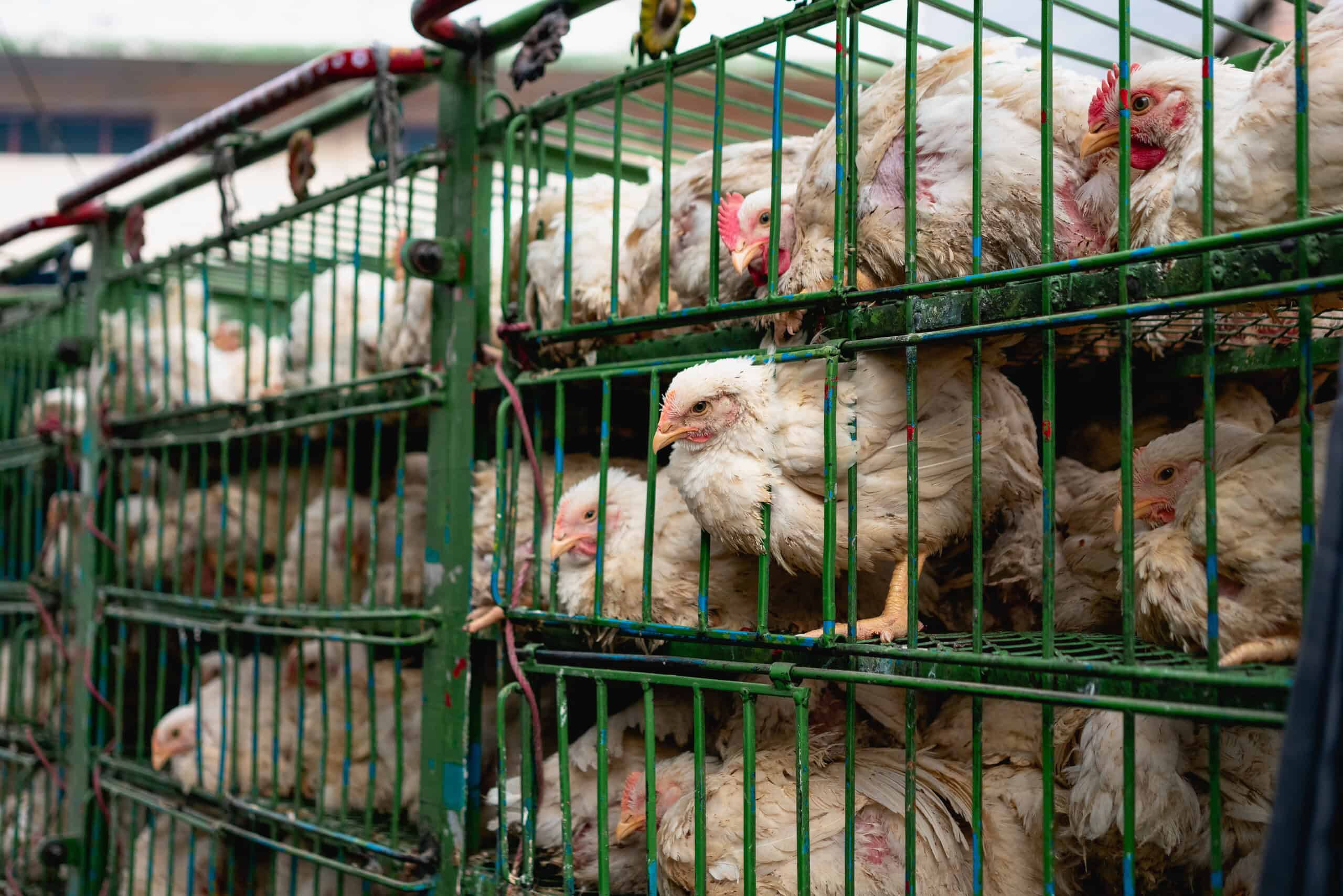
In 2016, California enacted the Orca Protection Act, which took effect in January 2017, banning both captive breeding programs and the import/export of orcas. This legislation marked the first of its kind in the United States. Other US states are progressively enacting laws to improve animal welfare, such as banning intensive confinement for farm animals. For instance, Florida prohibits gestation crates that hinder pigs from turning around, while Michigan has similar regulations for veal calves and hens.
A lack of a global treaty for animal welfare continues to be a challenge, although a proposed UN Convention aimed at improving animal health and protection was introduced in 2019 but has yet to be adopted.
Advancements in technology are playing a pivotal role in conservation efforts. The recent Global Horizon Scan identified emerging issues for biodiversity in the coming decade, including ocean darkening from runoff and declining soil moisture. Technological tools, including camera traps and AI, are becoming commonplace in conservation research, although challenges remain in their deployment.
The application of eDNA has transformed conservation surveys by allowing researchers to collect data without close proximity to often dangerous wildlife. A single sample can offer insights into multiple species simultaneously. Additionally, acoustic monitoring is providing researchers with critical information on marine animal behaviors, allowing them to study elusive species more effectively.
Grassroots organizations, such as the Black Mamba Anti-Poaching Unit, established in 2013 to protect rhinos in South Africa, are making significant impacts. This majority-female team combines anti-poaching patrols with youth education about wildlife conservation.
Anima International, another grassroots organization, aims to end factory farming and alleviate animal suffering by working with food companies to change policies in the UK. The efforts of these local groups underscore the value of community-based initiatives in the broader context of animal welfare and conservation.
On October 4, 2026, World Animal Day will focus on the theme ‘See the world through their eyes,’ rallying support for animal welfare and conservation across more than 70 countries.