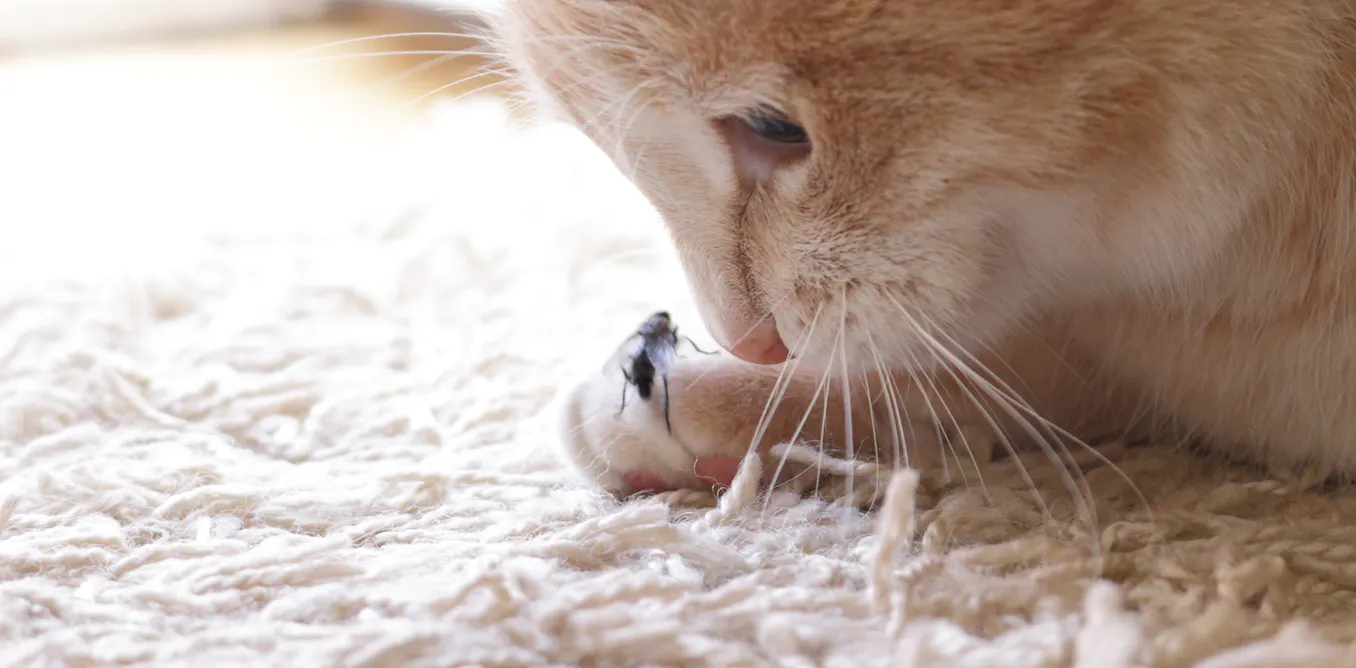
Research indicates that free-ranging cats, long known for preying on birds and small mammals, also consume a surprising variety of insects. A team of biologists has investigated the diet of feral and outdoor domestic cats to better understand their impact on wildlife.
Read More
Cats (Felis catus), when allowed to roam, are considered an invasive species and inhabit every ecosystem globally except Antarctica. The researchers sought to determine not just what free-ranging cats eat, but also the extent to which they may target endangered or threatened species.
Over nearly two decades, the researchers reviewed hundreds of scientific studies, searching databases like Google Scholar and Web of Science with keywords such as “cat predation” and “feral cat.” They analyzed 533 unique publications, which documented specific animal species consumed by cats, excluding any notes on plant consumption.
Their findings culminated in a 2023 paper that synthesized these studies, revealing that cats consume nearly 2,100 different animal species, including invertebrates. Among these, the International Union for Conservation of Nature's Red List includes 347 species that are either threatened or extinct.
While a majority of the species consumed by cats are vertebrates, data show that at least 7% of their diet consists of insects and other invertebrates, particularly beetles, along with less frequently eaten crustaceans, arachnids, and mollusks. However, many studies lacked detailed counts on how many insects cats consumed or the caloric intake from these prey.
Invertebrates represent over 70% of all terrestrial animal species, playing vital roles in ecosystems as pollinators and predators. Unfortunately, many are declining due to urbanization, habitat loss, and climate change. The researchers delved deeper into the studies and identified 148 specific invertebrate species consumed by cats.
Significantly, two of these species, the Aldabran grasshopper (Pternoscirtus aldabrae) and the Tasmanian giant freshwater crayfish (Astacopsis gouldi), are categorized as endangered. Two others, the wētāpunga (Deinacrida heteracantha) and the common yabby (Cherax destructor), are classified as vulnerable, while the Canary Islands horned beetle (Arhopalus pinetorum) is listed as near threatened.
Although there is limited formal research on the effect of cats on invertebrate populations, cats could pose a significant threat to rare species in particular environments. Cats require substantial protein, making invertebrates a convenient food source. They may hunt and consume insects even without nutritional need, driven by instinct.
Researching this issue presents challenges, as many invertebrates are small and lack distinguishable features, complicating field observations. However, new molecular technologies can analyze DNA remnants in the environment to identify species consumed by cats. Ongoing studies are expected to shed further light on the dietary impacts of free-ranging cats and their broader environmental implications.