Sales of purebred pedigree cats in Britain have surpassed those of mixed-breed moggies for the first time, according to Cats Protection. Between March 2023 and March 2024, 45% of all cats purchased—approximately 715,000—were purebreds, while only 43% (around 685,000) were moggies.
Read More
This marks a notable shift since three years ago, when moggies accounted for 51% of cat purchases compared to just 35% for pedigrees. Experts suggest that the popularity of purebreds may be fueled by social media influencers showcasing these cats, but many may not be aware of the serious health risks associated with certain breeds.
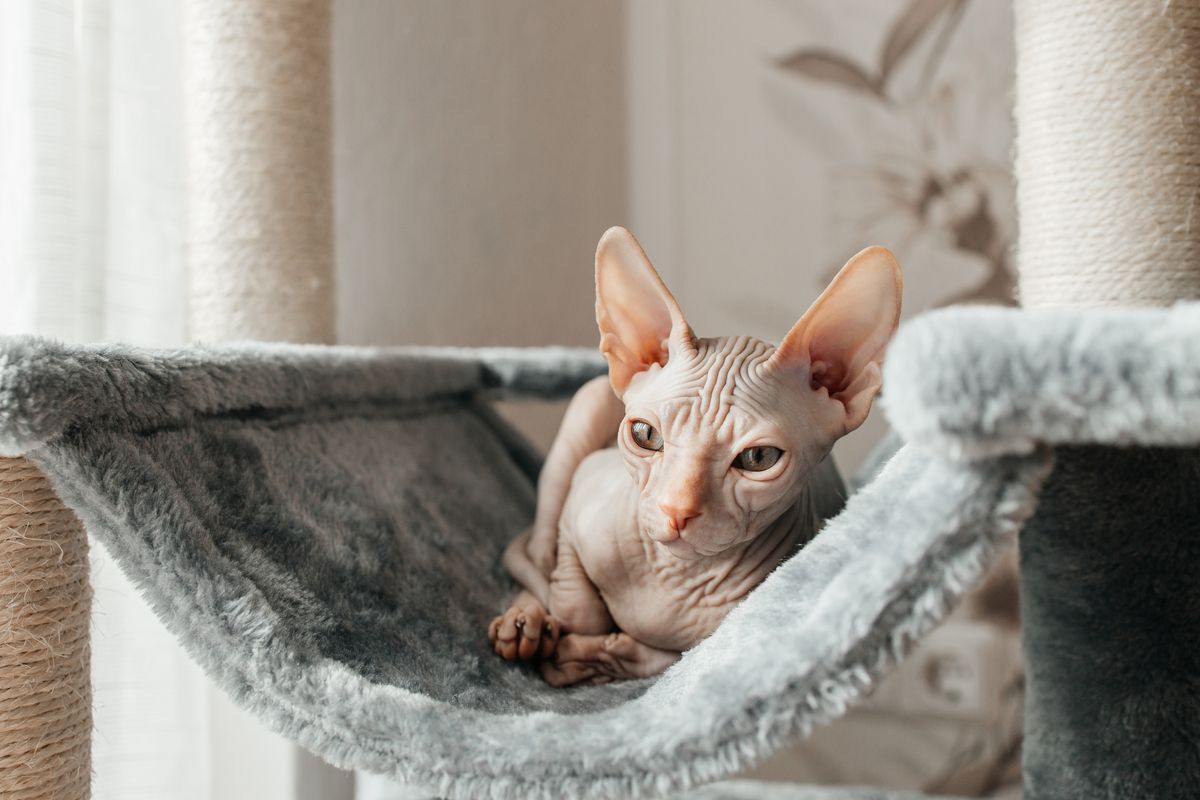
Sarah Elliott, Central Veterinary Officer for Cats Protection, cautions potential owners that while some pedigree cats are responsibly bred, many have extreme physical traits that can lead to significant health problems. Cats with characteristics such as hairlessness, short legs, or flat faces often face severe medical issues, resulting in costly vet bills and poor quality of life.
For instance, the Scottish Fold, favored by celebrities like Ed Sheeran and Taylor Swift, is prone to degenerative joint disease and arthritis due to its folded ears. Recently, Cats Protection rescued a flat-faced Persian cat named Bumble, who suffers from corneal sequestrum, a painful eye condition common in her breed. Bumble’s treatment continues as she awaits a potential new home.
Elliott emphasizes the importance of thorough research before acquiring a purebred cat. She advises prospective owners to examine breed-specific health concerns, select breeders who screen for genetic diseases, and consult veterinarians or cat behaviorists.
Additionally, she encourages considering moggies, which provide love and companionship without the same level of health risks or expenses associated with purebreds.