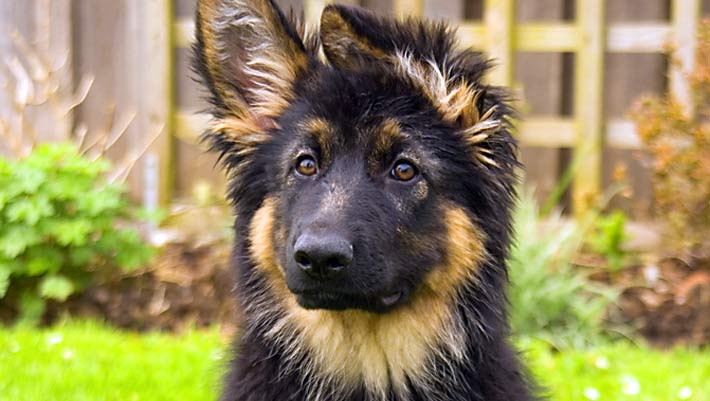
Research conducted by scientists from the American Museum of Natural History, the Smithsonian’s National Museum of Natural History, and the University of California Davis has found that 64.1% of modern breed dogs possess wolf ancestry in their nuclear genomes. This inheritance stems from admixture that occurred approximately 1,000 generations ago. The study analyzed genomes from 2,693 ancient and contemporary dogs and wolves, revealing that all examined free-ranging dog genomes contain some degree of ancient wolf ancestry.
Read More
Dr. Audrey Lin, a postdoctoral researcher at the American Museum of Natural History, stated that while modern dogs may appear far removed from their wolf ancestors, certain characteristics valued in dogs today may derive from their wolf lineage. She noted that previous research suggested dogs could not possess significant wolf DNA without ceasing to be considered dogs. However, this study indicates that modern dog genomes can incorporate wolf DNA to an unknown extent while still retaining their dog identity.
The analysis included 2,693 published genomes from the National Center for Biotechnology Information and the European Nucleotide Archive, covering wolves, breed dogs, village dogs, and other canids from the Late Pleistocene to modern times. The Czechoslovakian and Saarloos wolfdogs, intentionally bred from wolf hybrids, displayed the highest wolf ancestry levels, between 23% and 40% of their genomes. Among traditional breeds, the Great Anglo-French tricolour hound and Shiloh shepherd had wolf ancestry levels of 4.7-5.7% and 2.7%, respectively.
Interestingly, the origins of wolf ancestry in the Great Anglo-French tricolour hound remain unclear, while the Shiloh shepherd was developed through breeding with wolfdogs to create a more adaptable shepherd dog. The Tamaskan breed, developed in the UK in the 1980s to resemble wolves, has around 3.7% wolf ancestry.
The researchers identified patterns indicating that larger breeds and those bred for specific functions, such as Arctic sled dogs and hunting dogs, generally exhibit higher levels of wolf ancestry. In contrast, breeds like terriers and gundogs show lower levels. Some guardian breeds have high wolf ancestry, while others, including the Neapolitan mastiff and St. Bernard, show none.
Wolf ancestry was also found in a diverse array of breeds, including the Chihuahua, which possesses about 0.2% wolf DNA. Dr. Lin commented on the presence of wolf ancestry in Chihuahuas, suggesting this might resonate with their owners.
Additionally, the study examined the personality descriptors used by kennel clubs for breeds with varying levels of wolf ancestry. Low wolf-ancestry breeds are often described as 'friendly' or 'easy to train,' while breeds with high wolf ancestry tend to be characterized as 'suspicious of strangers' and 'territorial.' The authors emphasized that these traits are subjective assessments and that further research is needed to understand the potential influence of wolf genes on behavior.
Significant adaptations dogs have acquired from wolves were also identified, such as enhanced olfactory receptor genes in village dogs, aiding them in locating human food waste, and certain genes in Tibetan mastiffs that facilitate surviving at high altitudes.
Dr. Logan Kistler from the National Museum of Natural History noted that the findings highlight the evolutionary journey of dogs and their relationship with humans, emphasizing the important role wolves have played in shaping the dogs we know today. The study's results were published in the Proceedings of the National Academy of Sciences.