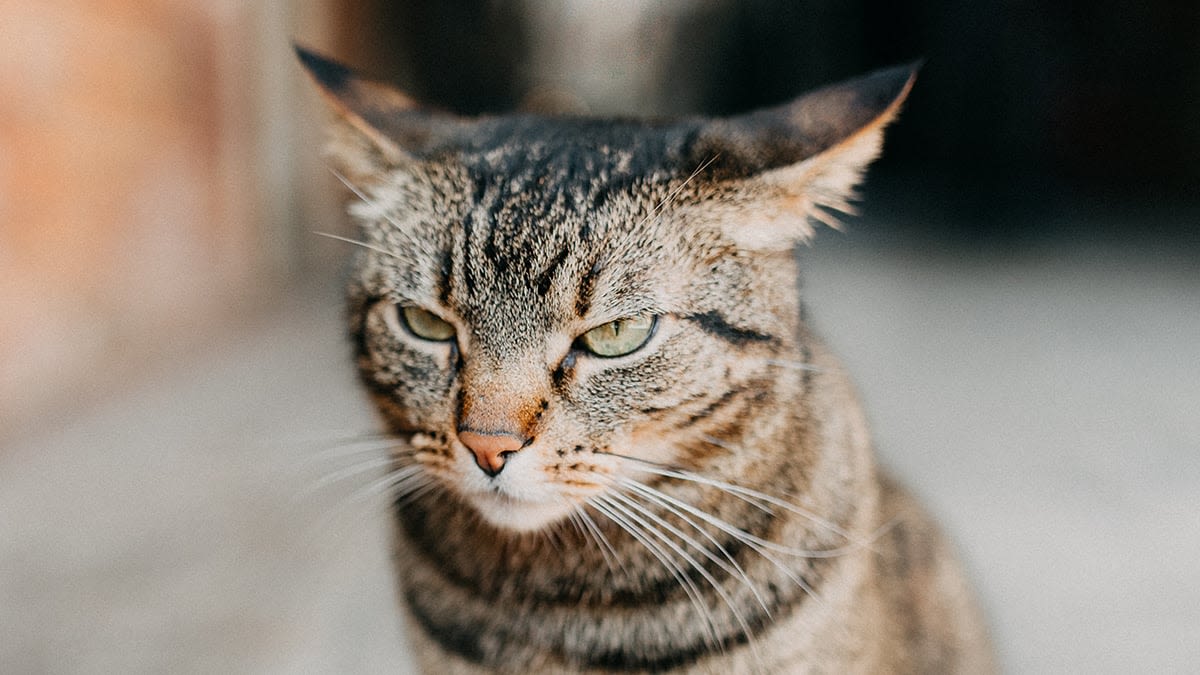
A recent study from researchers at Adelaide University, published in Anthrozoös, reveals concerning trends in how online content featuring cats is perceived. Despite the prevalence of cat videos on platforms like YouTube, TikTok, and Instagram, the study identifies a troubling tendency among viewers to dismiss visible signs of distress in cats as trivial or humorous.
Read More
In their analysis, the researchers examined 11 videos labeled as 'play' by their creators, noting that each featured signs of cat distress, such as hissing or attempts to escape. They reviewed a total of 1,100 comments on these videos and found that 75 to 93 percent of them were positive toward the depicted interactions, often overlooking the cats' discomfort.
The study highlights the importance of understanding cat behavior, with researchers emphasizing that when a cat's dissent signals are ignored, it can lead to acute stress, potentially becoming chronic with repeated exposure to unwanted interactions. Veterinary scientist Julia Henning and her colleagues stress the need for public education about respecting cat preferences and acknowledging the potential health risks of cat bites and scratches.
The researchers categorized viewer comments into several themes, including beliefs that if cats were genuinely distressed, they would show more signs or simply leave the situation. Other categories included misinterpretations of distress signals and romanticized views of cat behavior.
The study also noted that seven of the 11 videos featured observable human injuries, although these were often minimized in viewer comments. The researchers argue that the algorithms of social media platforms can enhance these problematic perceptions, rewarding engagement without addressing the content's potential harm.
Moving forward, the researchers advocate for targeted educational efforts to change viewer perceptions and understanding of cat distress, suggesting that simply focusing on correcting misinterpretations of cat body language may not suffice for long-term behavioral change. The findings serve as a call to reevaluate how cat interactions are presented and discussed in online spaces.