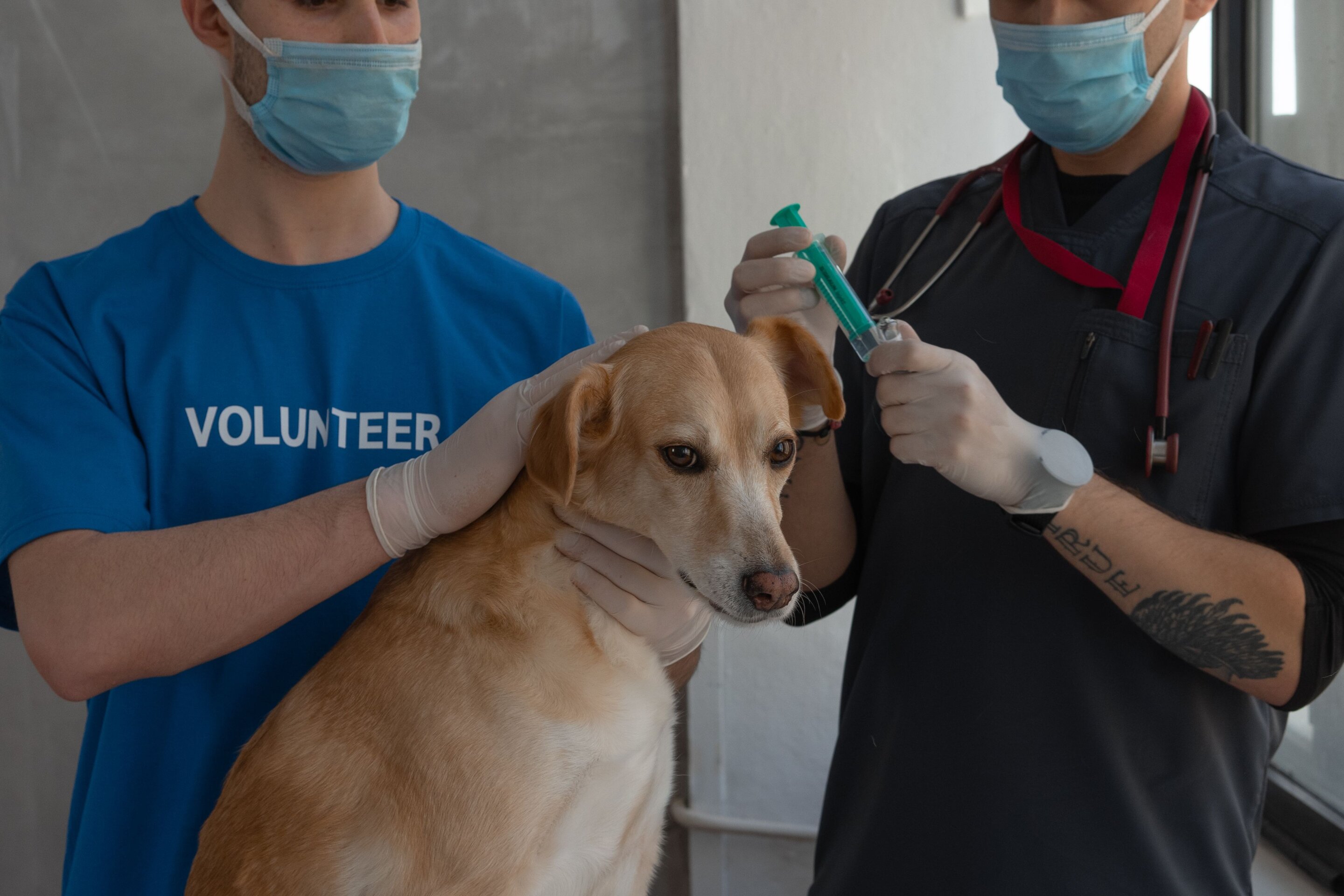
A study led by Washington State University highlights that community-based dog vaccination programs are more effective in protecting children from rabies than traditional methods. The research, funded by the National Institutes of Health, was conducted over three years in rural Tanzania and found that these programs maintained higher and more consistent vaccination coverage, thus reducing risks associated with rabies transmission. The findings were published in the journal PLoS Neglected Tropical Diseases.
Read More
Felix Lankester, a professor at WSU’s Paul G. Allen School for Global Health and director of the Rabies Free Africa Program, stated that community involvement is crucial for effective disease control. "Involving the community in implementing campaigns is a really effective way to achieve your disease control goals," he said, advocating for political will and funding to eliminate human rabies.
Rabies claims approximately 160,000 lives each year, primarily in Africa and Asia, with domestic dogs responsible for over 99% of human infections. The research compared standard vaccination models with the innovative community-based system. Traditional programs dispatch teams to villages annually, relying on vaccines that require refrigeration and transportation from centralized locations.
The study's foundation was previous WSU research demonstrating that a widely used rabies vaccine can remain effective for three months when stored at 30°C (86°F) in specially designed clay pots called zeepots. This facilitates year-round vaccine storage and administration, leading to higher vaccination rates.
The community-based approach not only vaccinated more dogs but also proved to be more cost-effective. In contrast to traditional campaigns that see a spike in coverage only during annual events followed by a significant drop as vaccinated dogs die or move, the new method maintained higher vaccination rates year-round. The study revealed that the likelihood of vaccination coverage falling below the critical 40% threshold for herd immunity was 60% under the traditional method but only 18% for the community-based system.
The program began in Tanzania's Mara region and is expanding into other areas. Lankester emphasized the need to recognize rabies control as a public health concern, aiming primarily to protect children rather than just focusing on animal health. "It's about childhood health. It's about public health. The primary goal is to protect children from rabies," he noted.