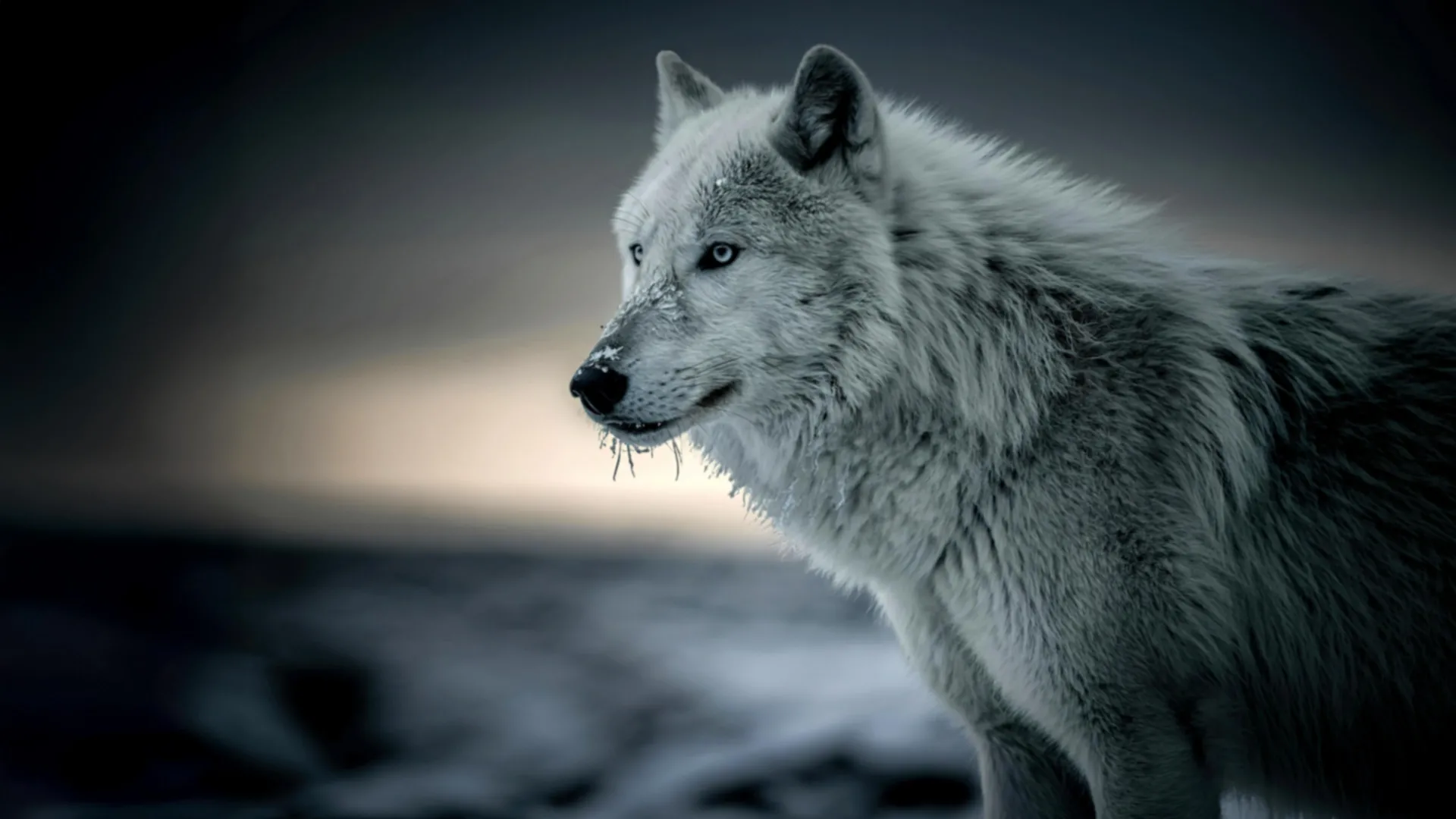
A study conducted by scientists at the American Museum of Natural History and the Smithsonian's National Museum of Natural History has found that many modern dogs retain small amounts of wolf ancestry that emerged after domestication. This wolf genetic influence seems to affect traits like body size, scent capabilities, and behavior. Published on November 24 in the Proceedings of the National Academy of Sciences, the research indicates that this trace gene flow is present across various breeds, from large Shiloh shepherds to tiny chihuahuas.
Read More
Audrey Lin, the study’s lead author and a Gerstner Postdoctoral Scholar in Bioinformatics and Computational Biology, noted that even though modern dogs may appear distant from wolves, some wolf traits have been preserved and valued in canine lineages.
Dogs originated from an extinct population of gray wolves alongside humans during the late Pleistocene, approximately 20,000 years ago. Although wolves and dogs can interbreed, hybridization is uncommon outside of intentional crossings. Before this study, prevailing theories suggested that dog genomes could not have significant wolf DNA and still be classified as dogs. Lin reported that their close genomic analysis revealed the presence of wolf ancestry, suggesting dogs can retain wolf DNA up to an undocumented level without losing their identity.
The research team analyzed over 2,700 published genomes from the National Center for Biotechnology Information and the European Nucleotide Archive, covering not just dogs but also wolves and other canid species from the late Pleistocene to modern times. They discovered that nearly two-thirds of breed dogs have wolf ancestry within their nuclear genomes, which likely stems from hybridization events occurring around 1,000 generations ago. All village dog genomes examined showed detectable wolf ancestry.
Czechoslovakian and Saarloos wolfdogs, bred for wolf-like traits, exhibited the highest levels of wolf ancestry, ranging from 23% to 40%. Among standard dog breeds, the Anglo-French tricolor hound showed a wolf ancestry level of 4.7% to 5.7%, while the Shiloh shepherd had about 2.7%. The elevated wolf ancestry in the Anglo-French hound is surprising to researchers and remains unexplained. The Tamaskan breed, developed in the UK for its wolf-like appearance, contains approximately 3.7% wolf ancestry.
Trends in the data indicated that larger dog breeds and those bred for specific work, such as Arctic sled dogs, tended to have higher wolf ancestry, while terriers and scent hounds usually had lower levels. Some large guardian breeds exhibited high wolf ancestry, while others, including certain mastiffs, did not. Even breeds considered far removed from wolves, like the chihuahua, were found to harbor about 0.2% wolf ancestry.
Lin suggested that these findings align with the typical characteristics of many dogs: they retain some 'wolfiness' in their genetics.
The team also evaluated personality descriptors from kennel clubs, noting that breeds with lower wolf ancestry were often categorized as "friendly" and "easy to train," whereas those with higher wolf ancestry were described as "suspicious of strangers" and "territorial." While these descriptors reflect human perceptions, the team acknowledged that it is unclear whether wolf-derived DNA directly influences such traits, indicating a potential for future behavioral research.
The study highlighted certain adaptations linked to wolf ancestry in dogs. For instance, village dogs demonstrated increased wolf ancestry in genes related to olfactory receptors, aiding their ability to find human food waste. Tibetan mastiffs possess a wolf-derived gene enabling them to survive in low-oxygen environments of the Tibetan Plateau and Himalayas.
Logan Kistler, a co-author of the study, remarked on the significant role wolves have played in shaping the traits of modern dogs, as they adapt to various challenges alongside humans. The findings suggest that wolf genetics may equip dogs with tools for evolutionary success in diverse environments.