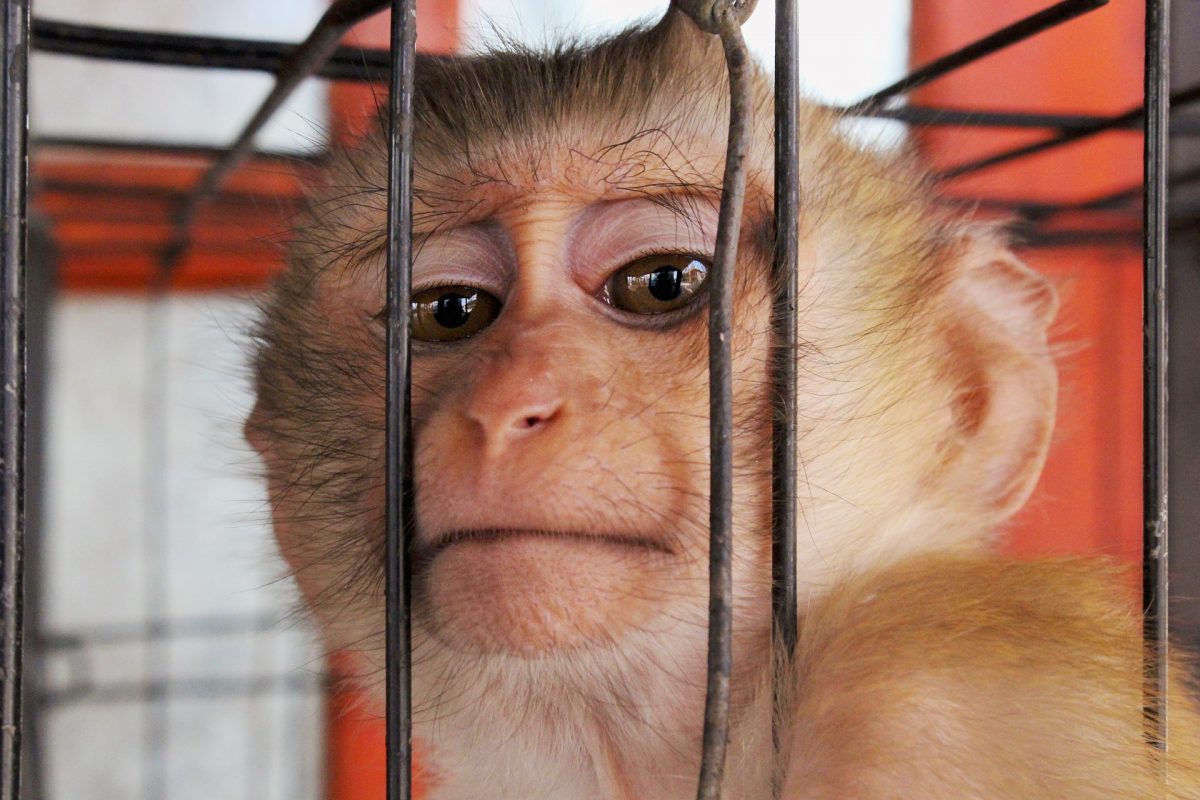
Recent developments in animal research have brought attention to notable achievements for animal welfare, particularly through the efforts of the Animal Legal Defense Fund (ALDF). The organization has made strides including statewide bans on animal-tested cosmetics, legal victories for laboratory whistleblowers, and the rescue of eight pigs from research facilities.
Read More
To understand the current landscape for animals in research, ALDF experts Matt Rossell and Stacy Lopresti-Goodman shared their insights.
Matt Rossell, Campaign Manager at ALDF, previously worked undercover for two years, documenting conditions in a primate laboratory. His findings led to changes in government oversight of research facilities. He emphasized the emotional toll of his past work, reflecting on the isolation and distress faced by primates in laboratories and how that experience fuels his ongoing advocacy in animal protection.
Stacy Lopresti-Goodman, PhD, Director of the Animal Law Education and Scholarship Program at ALDF, brings her background in behavioral science to the field of animal advocacy. She has studied the psychological impacts of lab environments on dogs and primates and successfully led the campaign to shut down a primate research lab at the University of Connecticut. Her research highlights that animals can exhibit symptoms of PTSD after being released from laboratory settings.
Rossell noted that many experiments replicate human clinical trial protocols but often lack common sense. He shared examples of distressing practices in laboratories that undermine confidence in the scientific outcomes of animal research. Lopresti-Goodman emphasized that the majority of lab animals, particularly mice, rats, fish, and birds, receive little to no legal protection and are often euthanized at the end of studies instead of being adopted.
Both experts aimed to dispel common misconceptions about animal research, particularly the belief that it directly advances human health. They pointed out that much of animal experimentation is basic research, driven by human curiosity rather than aimed at finding cures. According to their observations, an alarming percentage of drugs deemed safe in animal trials fail during human testing.
Rossell and Lopresti-Goodman were both inspired by individual animals they encountered during their careers. Lopresti-Goodman recounted her experience with beagles rescued from labs, which motivated her to explore their mental health. Rossell spoke of a rhesus macaque he encountered who suffered greatly from isolation, further driving his commitment to animal welfare.
Both experts expressed pride in working with ALDF, praising its comprehensive approach to advocacy through litigation, education, and policy reform. Rossell, who has been involved with ALDF since leaving his position as a primate technician, highlighted the organization’s effectiveness in creating meaningful legal change for animals, aligning with his advocacy values.