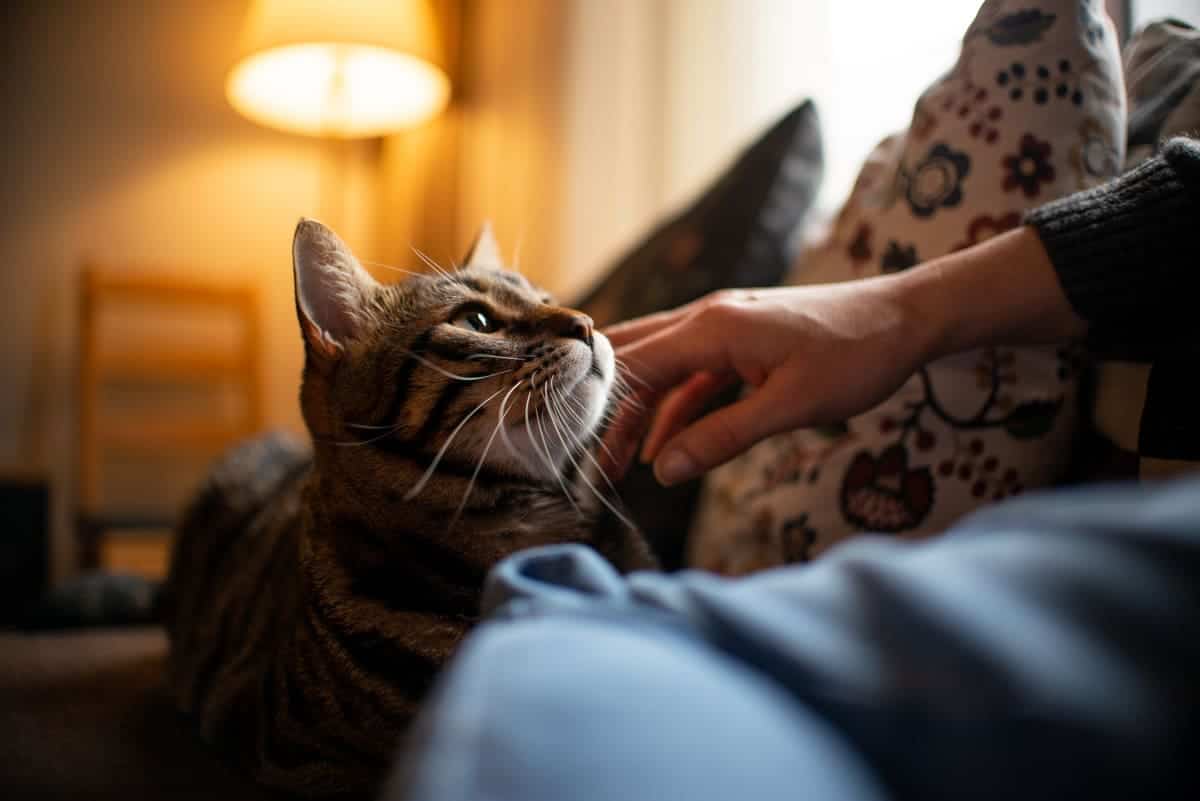
A recent study conducted by researchers at Ankara University has found that cats greet male and female owners differently, specifically in terms of vocalizations. The research highlights that male cat owners receive nearly twice as many vocal responses from their pets compared to female owners.
Read More
The study involved 31 cat owners in Türkiye, who recorded their cats' greetings upon returning home. Video footage analysis revealed that in the first 100 seconds after an owner returned, male owners experienced an average of 4.3 vocalizations, while female owners averaged only 1.8. This pattern held true across various factors, including the cat's age, sex, and breed.
The researchers noted that women tend to provide more attention to their cats and are often better at interpreting feline emotions. They speculated that because male caregivers may be less attuned to their cats, those animals vocalize more to ensure they capture their attention. As the research team expressed, “It is therefore possible that male caregivers require more explicit vocalizations to notice and respond to the needs of their cats.”
The study tracked 22 different cat greeting behaviors, including stress signals and food-related movements, yet found that only the vocalization frequency varied between male and female owners. Vocalizing appears to be a distinct form of communication that does not correlate with other types of social behavior exhibited by the cats.
Although the study's sample size was limited and drawn from a single region, its use of video evidence strengthens the findings. Previous research primarily relied on subjective owner observations. The conclusions regarding the nuanced ways cats communicate with different genders invite further investigation into how pets adapt their interactions based on their human companions.
This research adds to the growing body of knowledge about the ways in which cats engage with their owners, underscoring that even after years of domestication, their social strategies continue to evolve.