When deciding whether to keep a cat indoors or allow it outside, safety is a significant factor. Research indicates that outdoor cats generally have a much shorter lifespan, often around two years or less. However, indoor cats require added attention and stimulation to prevent boredom and maintain their natural hunting instincts.
Read More
Dr. Mark Howes, DVM and Owner of Berglund Animal Hospital in Evanston, Illinois, emphasizes that indoor cats can become bored without sufficient stimulation. He recommends several strategies for enriching their environment, based on insights from his practice and the research of Dr. Tony Buffington from Ohio State University.
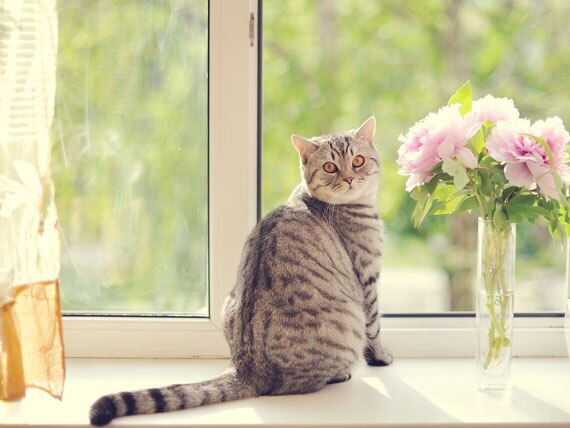
1. For indoor cats eager for outdoor adventures, training them to wear a harness for short, supervised outings can be beneficial. Alternatively, creating a cozy window seat may satisfy their curiosity about the outside world.
2. Increasing playtime can also help mitigate the stress of indoor living by allowing cats to engage in physical activities they would typically seek outdoors.
3. Providing cat condos that offer height and complexity can give indoor cats vertical territories to explore and observe their surroundings.
4. Dispersing food in various locations throughout the home allows cats to exhibit natural hunting behaviors, making mealtime more engaging.
5. Engaging with toys, such as laser pointers or fishing-pole-like toys with mouse attachments, can stimulate both the mental and physical aspects of a cat's play.
Dr. Howes notes that outdoor cats often exhibit more confidence, viewing trips to the vet as minor inconveniences. However, he acknowledges the risks associated with outdoor access, particularly in urban areas with heavy traffic. The challenges of keeping cats safe outdoors are an ongoing discussion in pet care.