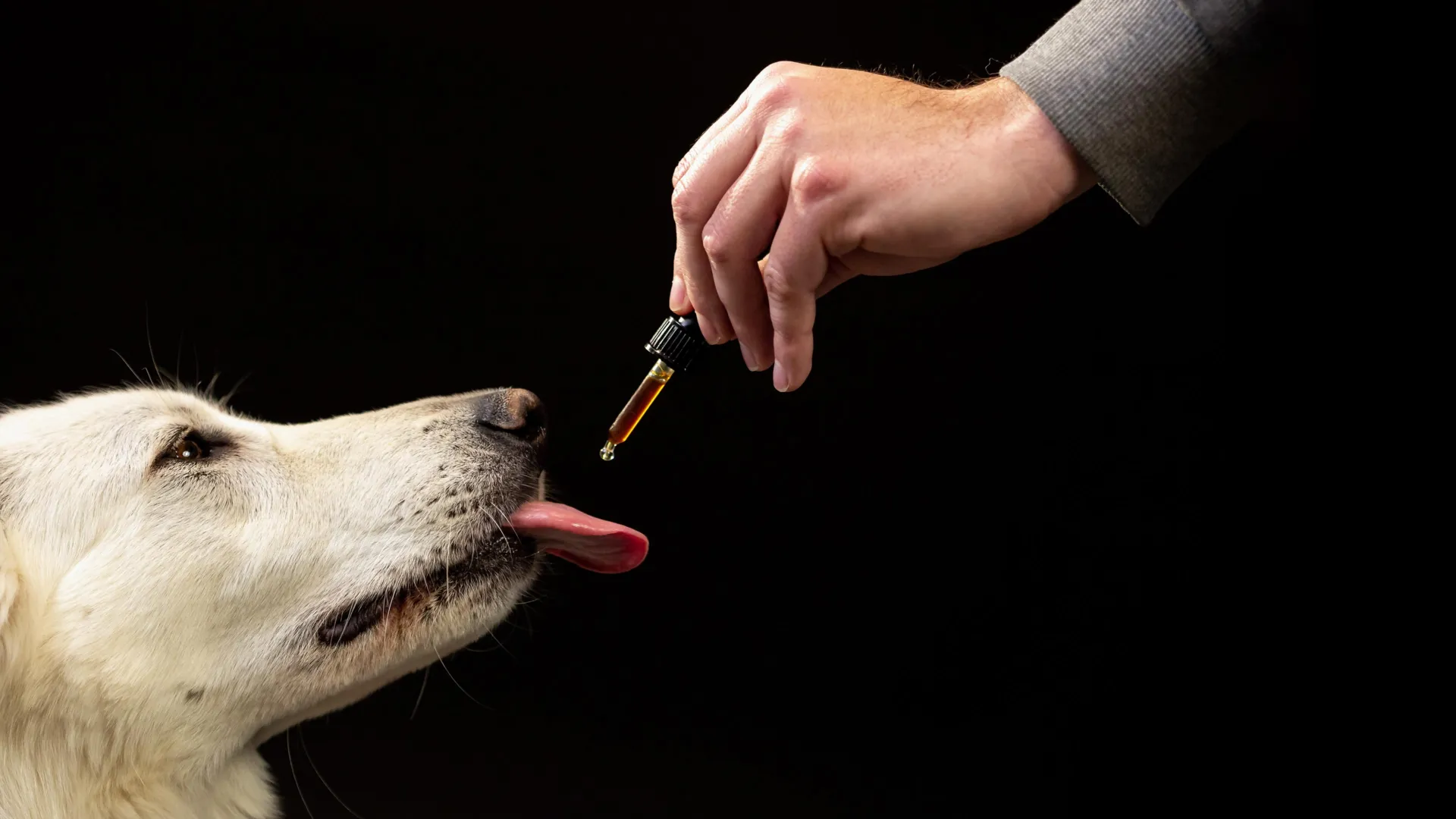
A recent study suggests that CBD may offer benefits to dogs similar to those seen in humans, particularly for chronic pain, nausea, and inflammation. Conducted by researchers in the United States and published in Frontiers in Veterinary Science, the analysis utilized data from the Dog Aging Project to examine the health patterns and behaviors of dogs that received CBD or hemp supplements.
Read More
Dr. Maxwell Leung, senior author and assistant professor at Arizona State University, noted that dogs given CBD for extended periods initially showed higher levels of aggression, which tended to decrease over time. Co-author Dr. Julia Albright, an associate professor at the University of Tennessee, emphasized that this behavioral change indicates the potential of CBD in treating canine behavioral issues.
The research represents one of the largest investigations into CBD use among pet dogs in the U.S., involving 47,355 dogs whose owners provided annual updates from 2019 to 2023. Owners reported the frequency of CBD or hemp product consumption, categorizing dogs into frequent users (daily supplements), infrequent users (less than daily), and those that had never received CBD.
Among the findings, approximately 7.3% of the companion dogs had been given CBD, with 2,759 dogs (5.8%) identified as frequent users. Dogs that received these supplements were generally older, with an average age three years greater than those not using CBD. Health conditions correlated with higher CBD use included dementia (18.2%), osteoarthritis (12.5%), and cancer (10%).
Additionally, dogs in states where medical cannabis is legal were more likely to receive CBD, suggesting that owners' attitudes towards cannabis might influence their decisions. Male dogs were found to be 9% more likely to receive CBD compared to females, though activity levels between the two groups were similar.
The study indicated that prolonged CBD use led to lower aggression levels in dogs compared to those without CBD. Despite this, other behavioral traits such as anxiety or agitation did not show the same improvement. Albright remarked on the relationship between canine aggression and underlying stress or anxiety, noting that the specific effects of CBD on these behaviors are still unclear.
Limitations of the study include the unexplored biological reasons behind behavioral shifts and potential biases from owners regarding the data provided. The researchers stressed the need for controlled studies to better understand CBD's calming effects and highlighted gaps in information about dosage, product formulation, and administration.
Pet owners considering CBD for their dogs should choose reputable products and monitor dosing carefully, as CBD can have side effects like gastrointestinal upset. This study offers an initial foundation for exploring how CBD may address behavioral and health challenges in both older dogs and humans.