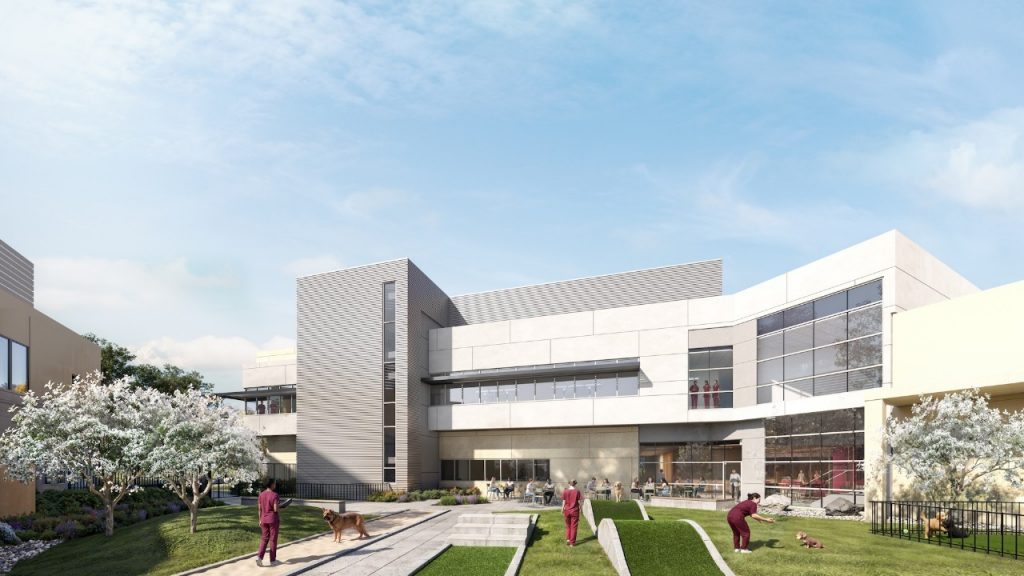
The Virginia Tech Board of Visitors has approved the long-awaited expansion and renovation of the Veterinary Teaching Hospital at the Virginia-Maryland College of Veterinary Medicine. Groundbreaking is scheduled for spring 2027, with completion aimed for spring 2029.
Read More
Tanya LeRoith, the hospital director, expressed optimism about the project, stating that this is the closest they have come to a reality after a lengthy planning process. M. Daniel Givens, dean of the veterinary college, highlighted the importance of the new facility for training students in a space designed for their educational needs.
The project, approved during the Board's meeting on August 26, carries an estimated cost of $63 million and involves renovating and expanding approximately 52,000 gross square feet. The hospital, which has seen little change since its opening in 1987, aims to address the increasing demand for advanced veterinary care, evolving student enrollment, and the need for expanded specialty services.
Givens emphasized that the upgrades would improve the education of future veterinarians and enhance the care provided to animals in Blacksburg. The expansion will increase capacity in areas such as internal medicine, cardiology, theriogenology, community practice, and emergency services. Additionally, it will modernize clinical, instructional, and support spaces.
A new entrance area for clients and pets will be introduced, along with enhanced natural lighting and wellness spaces for staff and visitors. Despite the construction, the hospital will continue its daily operations without interruption. Givens reassured that the facility would remain open throughout the building process, similar to the operations of a human hospital during renovations.
LeRoith noted ongoing planning efforts will focus on maintaining efficient operations while minimizing disruptions, particularly regarding traffic flow into the hospital. Construction manager Branch Builds and architecture firm Stantec are managing the project and are committed to limiting noise and dust during construction. The project will be executed in phases, ensuring the hospital remains fully operational.
Initial plans include a temporary entrance to what is currently the commons area, with some space being converted into a waiting room for clients while still serving as a social area for students and faculty. Significant changes are not expected until after the winter holiday break.
Fundraising continues to support the project's $13 million philanthropic goal, with opportunities available for contributors to sponsor specific spaces within the hospital. Givens expressed gratitude to supporters of the project, emphasizing its potential to enhance the lives of animals and people in Southwest Virginia and beyond.