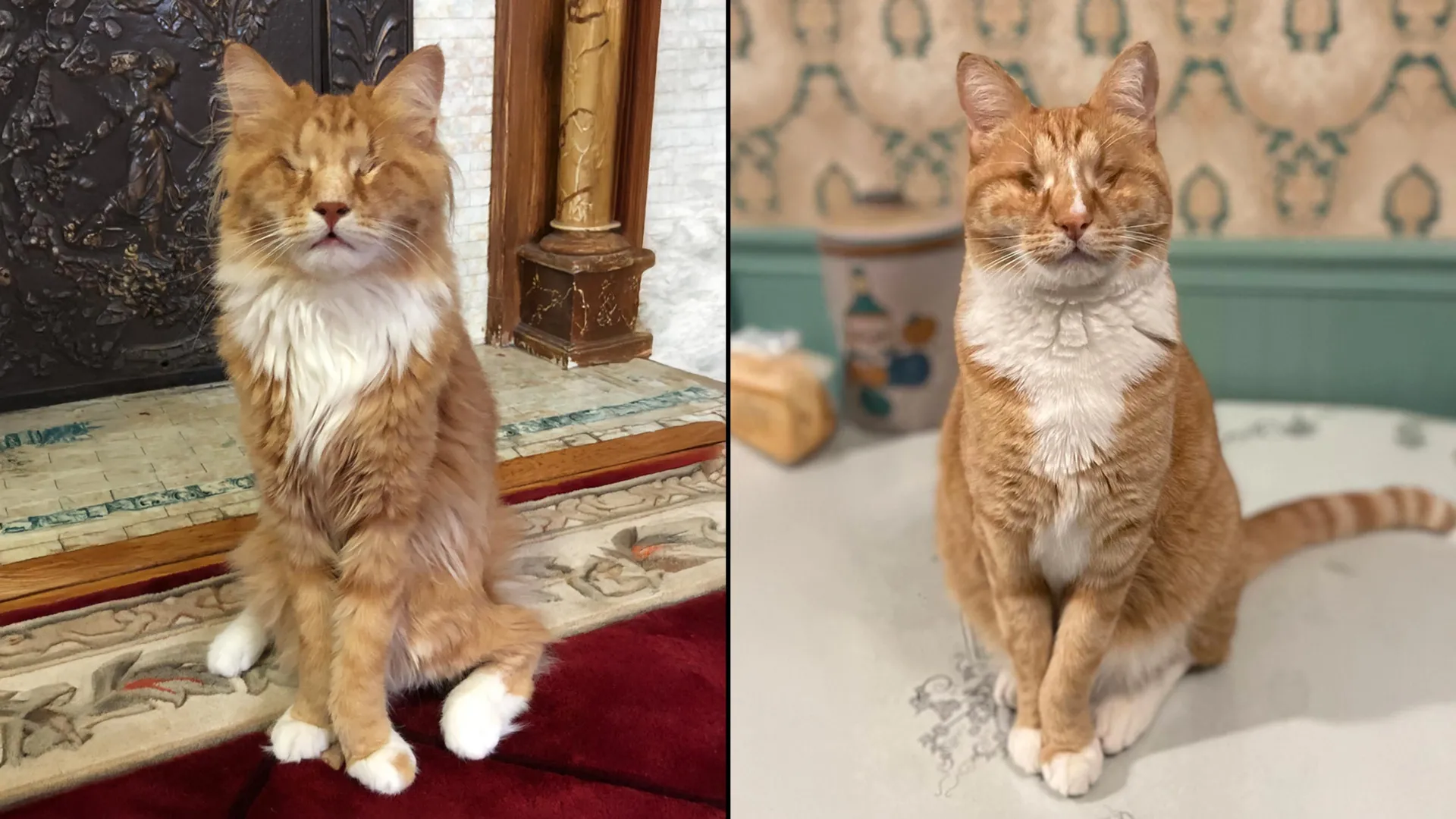
Two brothers, Gary and Shaggy, have contributed to a significant genetic discovery by Cornell University researchers. A study published in Scientific Reports documents the first molecular characterization of Marfan syndrome in domestic cats, a condition primarily recognized in humans.
Read More
The brothers were noted for their unusually long limbs as kittens. As they matured, veterinarians observed abnormalities in their eye structures and an enlarged aorta, which suggested Marfan syndrome, an inherited condition that weakens connective tissues. While the disorder affects approximately 1 in 4,000 people, these cats mark the first known feline cases.
Dr. Jacquelyn Evans, senior author and assistant professor at the College of Veterinary Medicine and the Baker Institute for Animal Health, stated that the findings could improve veterinary diagnostics, helping practitioners recognize similar cases and potentially develop genetic tests.
To investigate the underlying cause of the brothers' symptoms, researchers conducted comprehensive medical evaluations and DNA analyses. They identified alterations in the FBN1 gene, which is responsible for producing fibrillin-1, a protein vital for healthy connective tissue that supports various body structures.
Genetic testing indicated that both Gary and Shaggy inherited two altered copies of FBN1, one from each parent. This is particularly significant as, in humans, a mutation in one copy of the gene can trigger Marfan syndrome, making the presence of two altered copies uncommon and potentially severe.
Interestingly, the genetic variations found in these cats did not entirely disable the FBN1 gene. Instead, they interfered with the processing of the gene's instructions while still allowing some normal function. This partial activity may explain why Gary and Shaggy lived into adulthood, despite the severe implications usually associated with having such mutations.