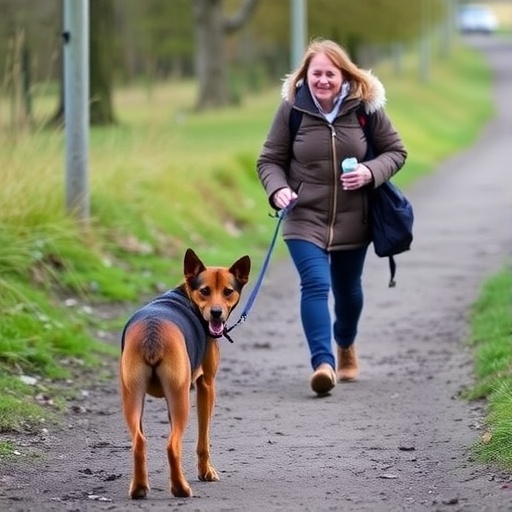
New research from the University of Surrey reveals that dog walkers who are distracted by their phones, conversations, or the surroundings may inadvertently harm wildlife and livestock. Findings published in the journal Society & Natural Resources suggest that issues related to dog walking are less about deliberate negligence and more about divided attention and the design of shared spaces.
Read More
The study involved over 40 hours of direct observation across four popular Surrey countryside locations: Puttenham Common, the Chantries and St Martha’s Hill, Norbury Park, and Denbies Wine Estate. These areas include various habitats, from heathland supporting sensitive bird life to working farmland and commercial vineyards. Researchers also engaged with farmers and land managers during a workshop to discuss observations and possible solutions.
During observations, researchers noted 11 cases where dog owners failed to notice their pets fouling pathways. Dog waste was primarily found within 50 to 100 meters of car parks, aligning with the tendency of dogs to relieve themselves early in their walks, before their owners are fully engaged. Traditional waste bin placements assume that dog owners will notice fouling and collect waste later in their walk, yet data indicates that initial moments are crucial for preventing such lapses.
Distractions from technology and social interactions among dog walkers frequently led to environmental oversights, including dogs entering sensitive areas or approaching livestock. Incidents of dogs disturbing ground-nesting birds could expose eggs to predation and adverse weather, while dogs near livestock could provoke distress or injury, creating risks for both animals and humans.
Despite these concerns, the research painted a nuanced picture of dog ownership. Most dog walkers actively cleaned up after their pets, with some going as far as picking up waste left by others. Dr. Tom Roberts, a Senior Lecturer in Environmental Sociology at the University of Surrey, emphasized that the complexity of dog walking is often oversimplified, with dog owners typically caring for their animals and their environments. However, attention is frequently divided, leading to unintentional lapses.
Proposals from the workshop included relocating waste bins closer to common toileting areas, establishing designated off-lead zones further from sensitive habitats, and encouraging community stewardship among regular walkers to promote responsible practices. The researchers also suggested short, clear signs positioned at decision points along paths to effectively communicate guidelines, rather than generic instructions at entrances.
Furthermore, seasonal signage explaining the importance of protecting ground-nesting birds garnered more attention from walkers than generic commands, highlighting the importance of engaging messaging. This approach aims to enhance responsible dog walking by considering the everyday realities and routines of dog owners.
The study underscores the need for better alignment between environmental management strategies and the behaviors of dog walkers. Recognizing dog walking as a beneficial activity for public health and community connection allows for more effective management solutions, such as improved infrastructure tailored to the actual practices of walkers and their pets.