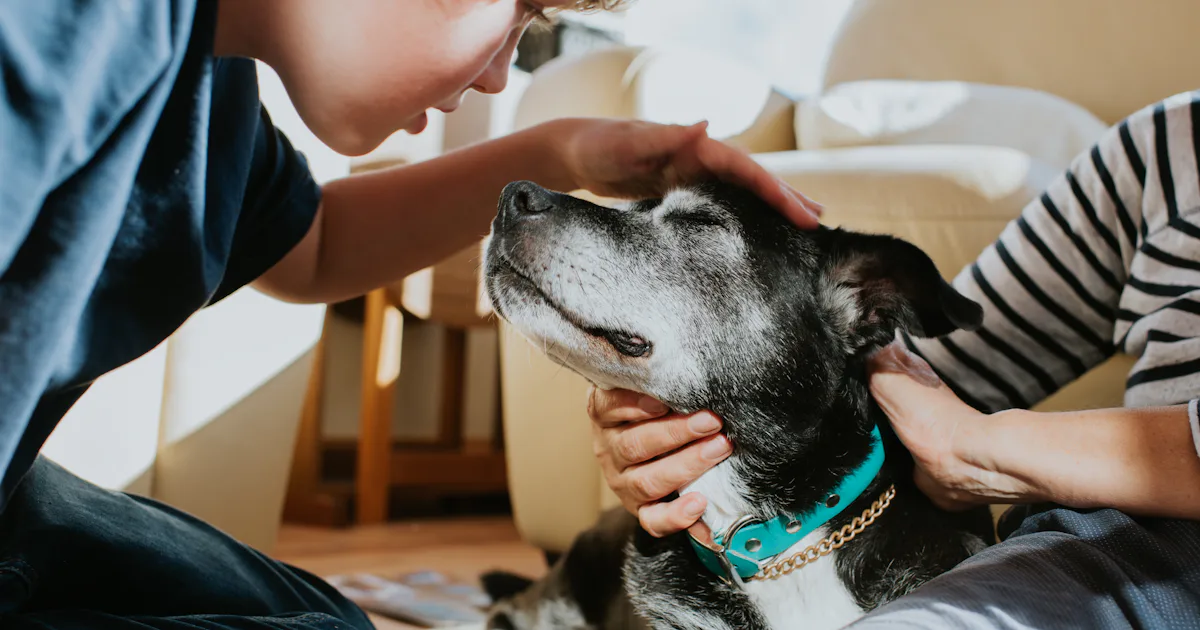
As pets age, they often show signs like graying fur and increased difficulty in movement. Understanding how to care for senior dogs and cats becomes paramount. Experts suggest that once pets reach a certain age, their care should become more proactive. According to Dr. Molly Brinkmann, Veterinary Advisor at PetAg, cats typically are considered seniors at around 10 years, while dogs' senior status varies by size: small dogs at 8-10 years, medium dogs at 7-9 years, and large breeds as early as 6-7 years.
Read More
Dr. Kristi Crow, also a Veterinary Advisor at PetAg, emphasizes that upon reaching senior status, pet owners should schedule veterinary exams every six months and perform routine lab work. This is crucial as age-related conditions often develop gradually and are more manageable if caught early.
Aging pets face increased risks for certain health issues. Brinkmann notes that common concerns include osteoarthritis, dental disease, kidney disease, heart disease, endocrine disorders, and cognitive changes. Osteoarthritis and dental issues are particularly prevalent yet frequently overlooked. Symptoms in dogs include stiffness, reluctance to walk, and difficulty with stairs, while cats may show decreased activity or changes in grooming habits.
Pet owners need to monitor changes in their pets' behavior, such as difficulty eating or alterations in energy levels. Crow highlights that changes in behavior and habits are early indicators of potential health issues, making regular checkups essential.
Veterinarians recommend following a proactive approach for senior pets, advocating for more frequent checkups, ideally every six months. This schedule allows for early detection of issues such as weight changes, muscle loss, and heart conditions, which could significantly impact a pet's quality of life.
Dietary changes should involve consultations with a veterinarian, who can tailor food based on specific health needs rather than age alone. Pets with certain health conditions may require specialized diets, while the addition of joint and omega-3 supplements can support overall health.
A common misconception among pet parents is that changes like increased sleeping and reduced activity are simply part of the aging process. However, Crow stresses that veterinary intervention can enhance the quality of life for aging pets. With advancements in pain management and other supportive care options, the goal should be a comfortable and engaged life for as long as possible.