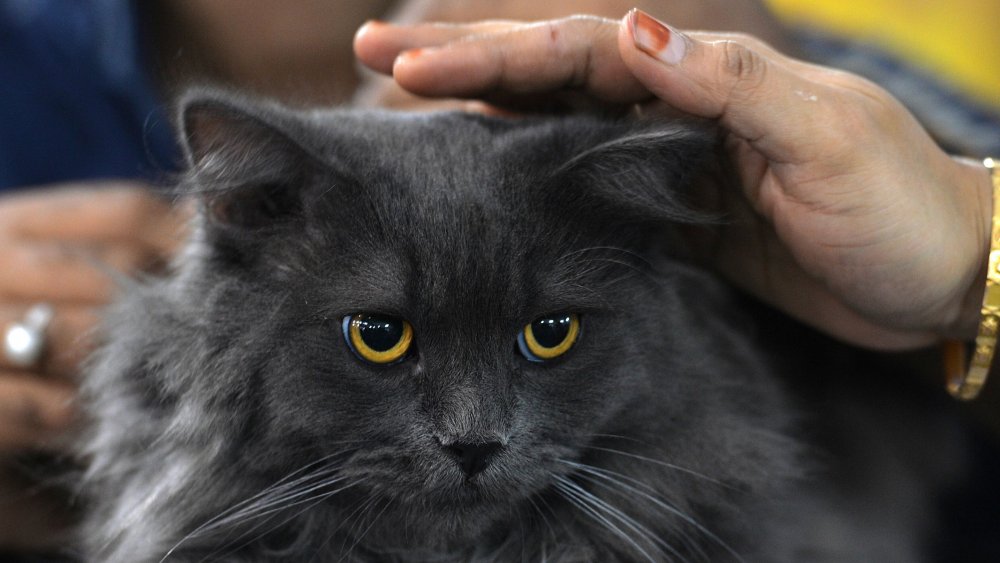
Cats are beloved by many, but for individuals with allergies, owning one can be challenging. However, certain cat breeds, particularly the Siberian, are known to be less likely to trigger allergic reactions. According to Smithsonian Magazine, no cat is completely hypoallergenic, as allergies are caused by a protein called Fel d1, found in cat saliva, urine, and skin flakes. This protein can become airborne when it dries, making cats more allergenic than many other pets.
Read More
While the Siberian breed has a beautiful long coat, a study published in 2017 found that Siberians produce significantly lower levels of Fel d1 compared to other breeds. Additional research has suggested other cat breeds may also produce reduced amounts of this allergen, but further studies are necessary to confirm these findings.
Although hairless breeds like the Sphynx exist, they still secrete Fel d1 and require more intensive care than Siberians. Due to the lower allergen levels in Siberians, breeders are actively working to produce more of these cats, although it remains challenging to find a litter that is entirely hypoallergenic, as reported by Science News. Currently, some breeders market Siberians based on their Fel d1 levels.
In an effort to better accommodate allergy sufferers, scientists are exploring the possibility of creating cats that do not produce Fel d1 at all. Research teams are also investigating techniques to enhance tolerance to cat allergens, including combining Fel d1 with antibodies to mitigate allergic reactions. Alternative diets for cats that could lower Fel d1 production are also under consideration.
For now, no completely allergy-free cat is available, making it essential for potential owners to assess their tolerance before adopting a cat. Pet Finder recommends meeting a cat beforehand to gauge one's reaction to its Fel d1 levels. While Siberian cats are currently the most hypoallergenic option, future developments in allergy management may change that.