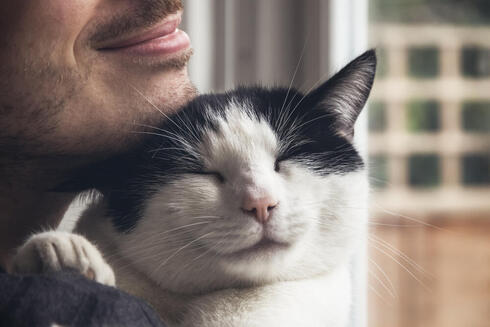
A study from Kyoto University reveals that a genetic variation in the androgen receptor gene may influence the frequency of purring and vocalizations in domestic cats. This research provides new insights into feline behavior and the evolution of domesticated cats.
Read More
Cats are known for their comforting purrs, which many owners associate with trust and contentment. However, this study suggests that the tendency to purr could have genetic roots. Researchers published their findings in the journal PLOS ONE, noting a connection between a specific genetic variation and the vocal behaviors of cats.
The focus of the study was the androgen receptor (AR) gene, which is involved in processing hormones like testosterone and influencing animal behavior. Within this gene, there exists a repeating DNA sequence associated with the amino acid glutamine, with variations in the number of repeats observed among different cats, ranging from 15 to 22.
The research analyzed 280 spayed or neutered mixed-breed cats from Japan, combining behavioral assessments with genetic tests. The findings indicated that cats with 18 or fewer repeats in the AR gene tended to purr more frequently. In male cats, a lower number of repeats was also associated with increased vocal activity, including meowing and chirping directed at humans. In contrast, female cats with fewer repeats showed a tendency toward aggression when encountering strangers.
These distinctions in behavior may stem from a shared genetic background that influences responses to unfamiliar situations. Males often vocalize for attention, while females may exhibit defensive behaviors.
Additionally, the study indicated an intriguing evolutionary perspective. Researchers found that none of the analyzed wild cat species, such as the leopard cat or serval, carried the longer repeat variations (20–22 repeats). This suggests that these variations may have developed post-domestication, possibly benefiting quieter cats that adapted well to living indoors with humans.
Previous research aligns with these findings, revealing that purebred domestic cats, intentionally bred for companionship, tend to have a higher number of repeats in the AR gene.
The research highlights that the interactions between cats and humans are shaped not only by upbringing but also by evolutionary changes over millennia, favoring traits like vocalization that aid communication.
While genetics play a significant role, other factors such as personality and environment also contribute to a cat’s behavior. This study underscores how domestication has influenced our feline companions, affecting not just their habits but also the sounds they make as they bond with us.
So, the next time your cat purrs or chirps, consider that you might be hearing the results of an evolutionary journey that has woven together their nature and our companionship.