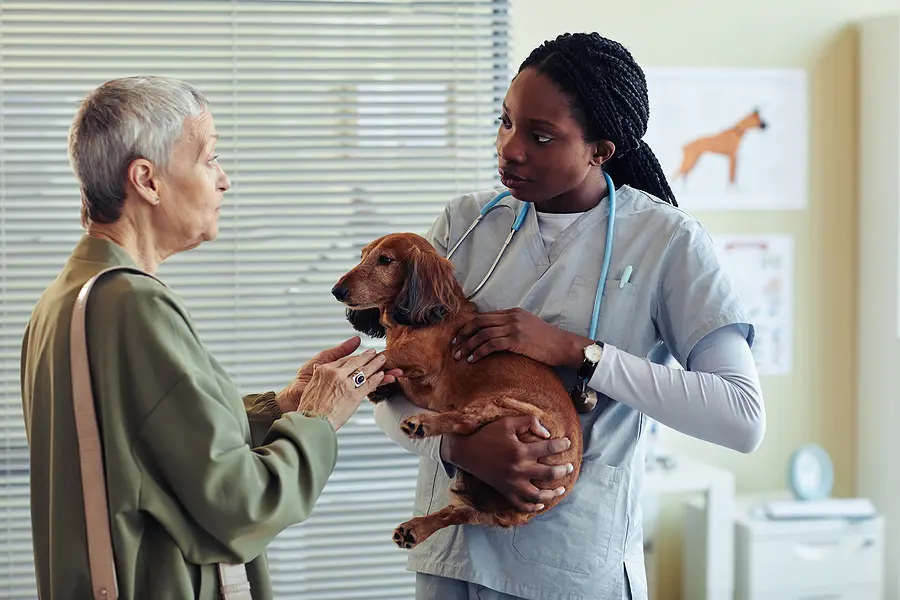
Lab results from a wellness appointment revealed that Alex, a 10-year-old cat, had protein in his urine. Dr. Harrison Pearl at Vet Next Door in Parrish, Florida, recommended a urine protein-to-creatinine ratio test to assess the possibility of kidney disease. Following this advice, immediate scheduling for the follow-up test occurred, highlighting the importance of preventive screenings in detecting health changes early.
Read More
To encourage senior pets to return for care—ideally every six months—veterinary practices can implement strategies aimed at identifying diseases sooner, allowing for proactive treatments. Wellness appointments make up 24 percent of all visits, though there has been a 2.9 percent decrease in these appointments. Pets aged seven and older constitute 44 percent of patients, which emphasizes the importance of regular check-ups for senior pets. Here are three ways to strengthen reminders:
1) **Send Multiple Wellness Recall Notices**
Recall notices are essential communications for clients whose pets are due for care. A series of reminders can prompt clients to schedule preventive appointments. The proposed schedule includes:
- 1st recall: 60 days ahead (text and email)
- 2nd recall: 30 days ahead (text and email)
- 3rd recall: 14 days ahead (text and email)
- 4th recall: on due date (text and email)
- 5th recall: 30 days past due (call, text, email)
Each message should be customized with the benefits of senior preventive care and potentially include preventive care plans with monthly payments to alleviate financial concerns. As the due date approaches, using urgency indicators like countdowns can be helpful. For example, texts can emphasize the importance of check-ups, the impact of timely care, and the availability of payment plans.
2) **Share Pre-Appointment Education in Confirmations**
As part of appointment confirmations, providing education on senior care is beneficial. Five days prior to the appointment, sending client information sheets can help pet owners prepare questions, especially regarding early detection screenings that will be discussed during the visit. This strategy assists in setting expectations for the medical team’s discussion.
3) **Send Online Senior Health Forms with Confirmations**
Two days before the appointment, sending out health forms can streamline the process. These forms should solicit information about mobility, sleep patterns, and any notable changes in the pet's condition. Completing these forms in advance allows the medical team to focus on specific concerns during the appointment, thus enhancing the quality of the visit. A report found that 64 percent of digital forms were completed on the same day they were sent, making it an effective means of communication.
Practices should regularly review and update their recall notices, confirmations, and online health forms to ensure they are aligned with the theme of senior pet care and reinforce the importance of ongoing preventive health measures.
Wendy Myers, CVJ, emphasizes that using the right communication strategies is essential for improving client compliance and overall pet health. As the founder of Communication Solutions for Veterinarians, she offers training to enhance veterinary practices' approaches to client communication.