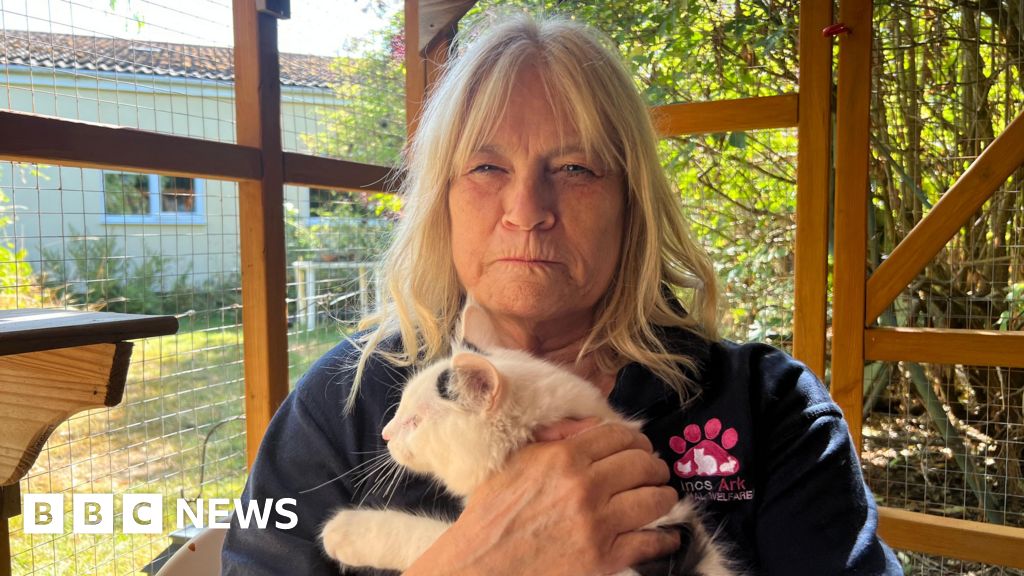
Lincs Ark, an animal rescue charity, reports facing a severe crisis due to a rise in unwanted cats attributed to decreasing neutering rates. Michele Franks from the organization stated that they turned away 60 animals last month alone, highlighting an increase in calls from the public about stray cats giving birth.
Read More
Research from Cats Protection indicates that the percentage of cats undergoing neutering has dropped from 88% in 2020 to 82% in 2025. Matthew Wright, head of operations at RSPCA Hull and East Riding, noted that many rescue charities struggle to afford neutering procedures, with the abandonment of cats exacerbating the issue and leading to health problems among the animals.
Lincs Ark operates in the Boston, Spalding, and Holbeach areas and currently cares for 62 cats in foster homes with a team of about 27 volunteers. Franks emphasized the need for pet owners to take responsibility, stating, "We need to start taking responsibility for our animals and not expect other people to pay for your neutering." She described the situation as an "un-neutered cat epidemic," with this year proving particularly challenging.
Veterinarian Elicia Brent, from South Lincs Vets in Holbeach, reinforced that neutering not only controls the cat population but also protects them from certain health issues. The cost of the procedure typically ranges from £100 for males to £200 for females. Brent pointed out that cats can reproduce as early as four months old, making population control critical. She also noted the risks of indoor cats escaping, leading to unexpected litters, and the existing feral colonies in Lincolnshire.
A report from Cats Protection found that over 10,000 individuals participated in surveys revealing that 1.5 million cats in the UK remain unneutered. Common reasons for this include owners wishing to breed their cats or keeping them indoors. Izzy Hocking, a senior veterinary engagement manager with the charity, stated that a significant portion of last year’s kittens stemmed from unplanned pregnancies.
Wright added that the high number of abandoned cats limits the RSPCA's ability to assist animals suffering from cruelty, reiterating, "If you get a cat, neutering is the first thing you should be thinking of." Dr. Rob Williams from the British Veterinary Association pointed out that neutering is essential to prevent rescue centers from being overwhelmed by unwanted kittens.