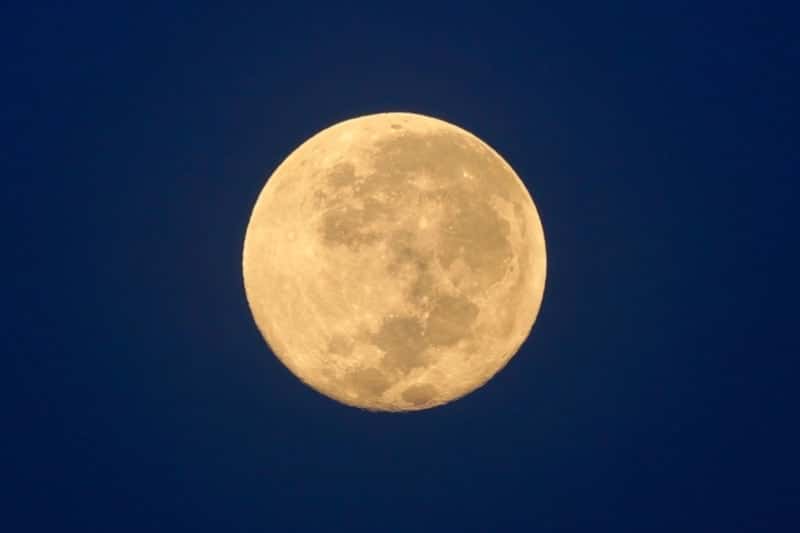
Folklore suggests the moon influences behavior, but research in this area remains inconclusive. Many believe cats exhibit agitation, disorientation, or withdrawal during a full moon, yet studies have not established a definitive link between moon phases and feline behavior.
Read More
A notable phenomenon related to the full moon is an increase in emergency veterinary visits. A study published in the Journal of the American Veterinary Medical Association analyzed 11,940 cases at Colorado State University Veterinary Medical Center and found that emergency visits for pets rise by 23% for cats and 28% for dogs around the time of a full moon.
While researchers have yet to determine the cause, veterinary staff often report heightened activity during full moons, contributing to the belief that unusual cases are linked to lunar phases. Although no direct causal relationship has been confirmed, there are plausible indirect factors.
Historically, the full moon was a primary source of light at night, leading to increased nocturnal activity among humans. This could partially explain observed patterns, such as a 2018 study revealing a rise in traffic accident-related emergency transports during the full moon, likely due to enhanced visibility and more people driving at night.
Crime rates also tend to increase under a full moon, which may be attributed to the additional light and increased nighttime activities.
Concerning mental health, mood, and behavior, studies have found no evidence supporting claims of a lunar influence. This lack of connection may stem from confirmation bias; individuals who believe the moon impacts their mood may also be more observant of both their own and their pets' behaviors.
During the COVID-19 pandemic, for example, there was an uptick in veterinary visits, driven not only by more pet adoptions but also by owners spending more time at home. This increase in attention might have highlighted any unusual behaviors in their pets, contributing to the perception of a connection to the full moon.
In summary, while folk legends suggest that the full moon affects animal behavior, the evidence remains inconclusive. It appears that increased observation of pet behaviors coinciding with the full moon may explain the perception of changes in feline activity.