The world’s first cat show took place at the Crystal Palace in London in 1871, sparking a fascination with purebred cats, particularly among the Victorian elite. This event, organized by artist Harrison Weir, set rules for cat exhibitions still in use today. However, beneath the appeal of purebred cats lies a troubling reality: many suffer from severe genetic disorders due to selective breeding practices that limit their gene pool.
Read More
Veterinary surgeon Dr. Cat Henstridge notes that all purebred animals, by definition, are inbred and therefore at risk for health problems. While some breeds may be predisposed to certain conditions without certainty of developing them, others face significant health issues as a direct result of their breeding.
Some of the purebred cat breeds with the highest incidence of health problems include:
**Persians** are among America's favorites, but around two-thirds of them face health issues like polycystic kidney disease (PKD), eye discharge, and brachycephalic airway syndrome (BAS). Their flat faces contribute to breathing difficulties, and studies by the Royal Veterinary College reveal their vulnerability to various ailments stemming from their limited genetics.
**Bengals**, known for their lively and playful nature, frequently develop hereditary issues such as cataracts, progressive retinal atrophy (PRA), and hypertrophic cardiomyopathy (HCM), a serious heart condition.
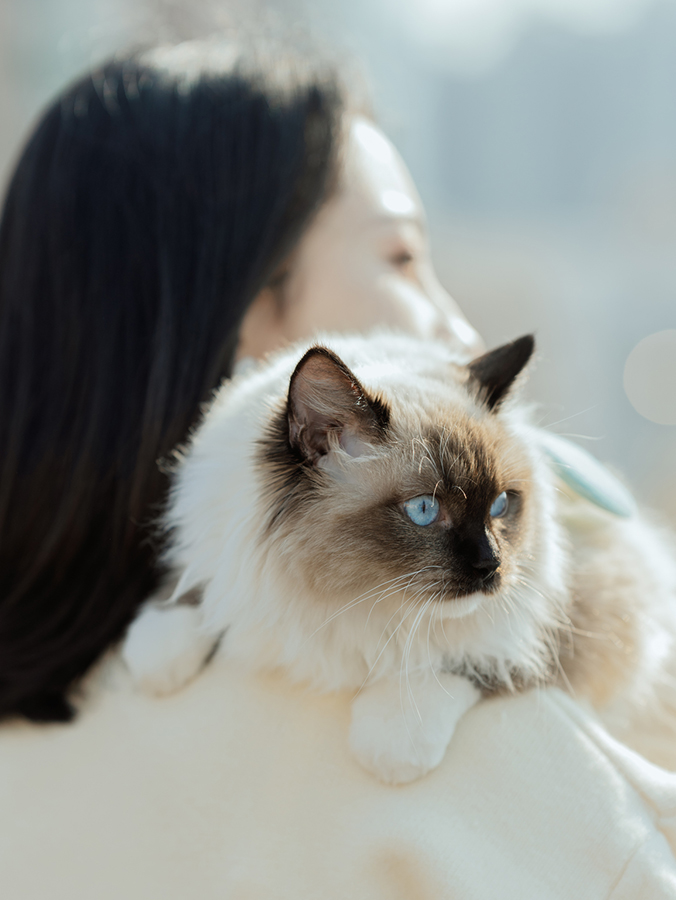
**Ragdolls** face similar threats, particularly HCM, which is linked to a genetic mutation. Additionally, they are susceptible to PKD, obesity, and fungal infections like cryptococcosis.
**Siamese cats** have a pronounced risk for specific cancers and other health issues, including asthma and arthritis, with incidence rates significantly higher than in other breeds.
**Exotic Shorthairs**, bred to resemble Persians with shorter hair, inherit many of the same health concerns, including PKD and breathing difficulties.
**Scottish Folds** carry a genetic defect causing Osteochondrodysplasia, which affects cartilage and can lead to debilitating joint pain and deformity.
**Manx cats**, bred for a tailless appearance, are prone to Manx Syndrome, resulting in serious spinal issues, including spina bifida and associated complications.
Other breeds such as Sphynx, Maine Coons, and British Shorthairs also exhibit higher risks for genetic health conditions due to narrow breeding practices.
While the allure of purebred cats persists, potential owners are encouraged to consider adopting from shelters, where countless cats await homes. Some breed-specific rescues offer a viable option for those determined to own a purebred cat, yet it’s crucial to recognize the inherent health issues linked to these breeds.