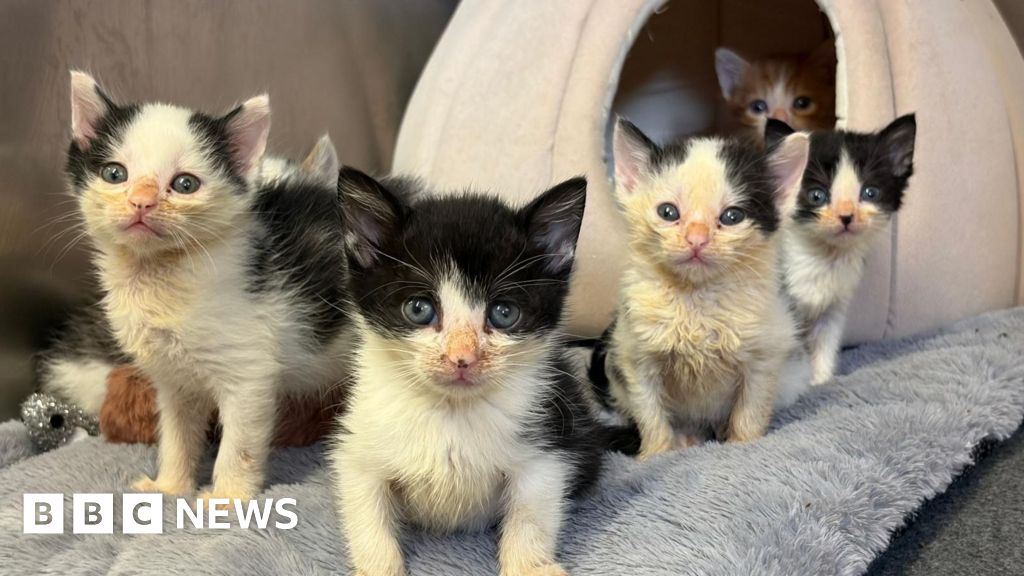
Gables, a Plymouth animal rescue centre, has reported a significant influx of kittens, currently caring for 54, nearly doubling its usual capacity. General manager Claire Sparkes remarked that the kitten season began unusually late this year due to weather patterns, transitioning directly from winter to summer without a spring. "That has messed up the kitten season and it has hit us with a bang," Sparkes stated.
Read More
She noted that the rescue is experiencing a volume of kittens that is almost three times what they typically see, describing the situation as "overwhelming." The charity aims to assist both cats and dogs but is now at a breaking point. Sparkes explained that they usually maintain a waiting list, prioritizing vulnerable cats, such as pregnant ones and young kittens. Fortunately, the centre has supportive volunteer foster carers who have taken many mothers and their kittens into their homes.
This year, the rescue has seen the highest number of kittens in her 20 years at the organisation. Many of these kittens come from unwanted pets or stray cats found in various locations, including gardens and industrial sites. Sparkes highlighted the issue of pet owners delaying spaying or neutering their pets due to rising veterinary costs, which can now lead to pregnancies occurring as early as four months.
To combat this, Gables ensures that all its kittens are neutered before reaching that age. However, the sheer volume of kittens has affected resources, leading the rescue to run out of kitten food and turn to the public for assistance. They expressed gratitude on social media for the community’s generous support in donating and purchasing kitten-related items.
Sparkes mentioned the financial burden of caring for each cat, which costs about £8 per day, not including veterinary expenses for vaccinations and treatments. While there is a waiting list for adoptions, black kittens are particularly difficult to place in homes, often taking several months compared to their more favored counterparts. Sparkes hopes that prospective adopters will consider a wider range of colors when looking to adopt.