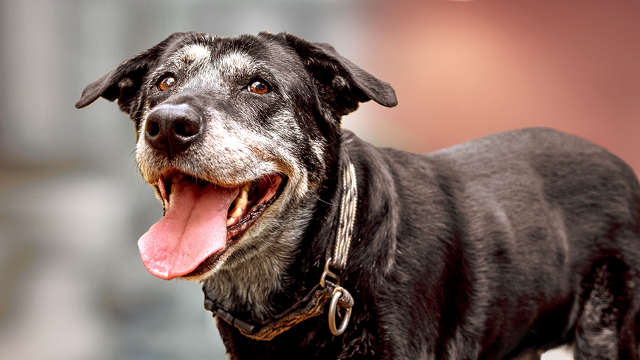
The initial visit is crucial for creating a welcoming environment for senior pets and their owners. Opening with a question such as “What brings you and Harvey here today?” encourages a conversation about the pet’s health and well-being. Gathering a comprehensive history and understanding the senior pet’s background and environment are essential for building trust with the client and pet. Often, clients may have concerns that were not mentioned when scheduling the appointment, making it important to discuss these issues early in the visit.
Read More
Empathy can encourage clients to share valuable information about their senior pets. A thorough history may cover the pet’s eating and drinking habits, exercise, movement, play behavior, attitude, grooming, vision, and hearing. It's also vital to ask about any disruptions in the household that might affect the pet's health.
Part of the medical history should include details about any pharmaceuticals, supplements, or other therapies currently administered to the pet. This information is critical for evaluating the need for additional treatments and preventing drug interactions, which can lead to serious health risks. For example, combining nonsteroidal anti-inflammatory drugs with steroids can cause severe gastrointestinal bleeding. Evaluating nutraceuticals, such as turmeric—which may lead to gastrointestinal issues—also remains important. Additionally, products that may contribute to serotonin syndrome warrant careful consideration, especially if the pet is on common medications for senior animals.
A thorough physical examination provides further insights during a senior pet appointment. A relaxed pet in a comfortable setting allows for better observations, particularly of the eyes, mouth, spine, joints, and overall mobility. Using checklists to assess musculoskeletal pain can be beneficial in identifying chronic issues. Client-submitted videos of their pets in action can also assist in evaluating mobility and potential disorders.
Common issues addressed in senior pet appointments include reduced mobility due to osteoarthritis, metabolic diseases like kidney or liver conditions, and cardiac problems. Low-stress handling techniques and careful physical manipulation are important to avoid exacerbating discomfort in older animals.
Neoplasia is more frequently seen in senior pets, and thorough evaluations can help identify this condition. Any cutaneous masses should be meticulously measured, aspirated, and analyzed cytologically, as benign growths can often mimic more serious issues. Abdominal and rectal examinations may reveal abnormalities, and particular attention should be given to the oral cavity, eyes, and digits for potential tumors.
Routine medical workups for senior pets are recommended once or twice yearly, including blood tests and urinalysis, along with tracking changes through visuals. Important screening biomarkers may include symmetric dimethylarginine, N-terminal pro B-type natriuretic peptide, and C-reactive protein, among others.
These guidelines are part of the 2023 AAHA Senior Care Guidelines for Dogs and Cats, supported by organizations such as Boehringer Ingelheim Animal Health, CareCredit, IDEXX, and Zoetis.