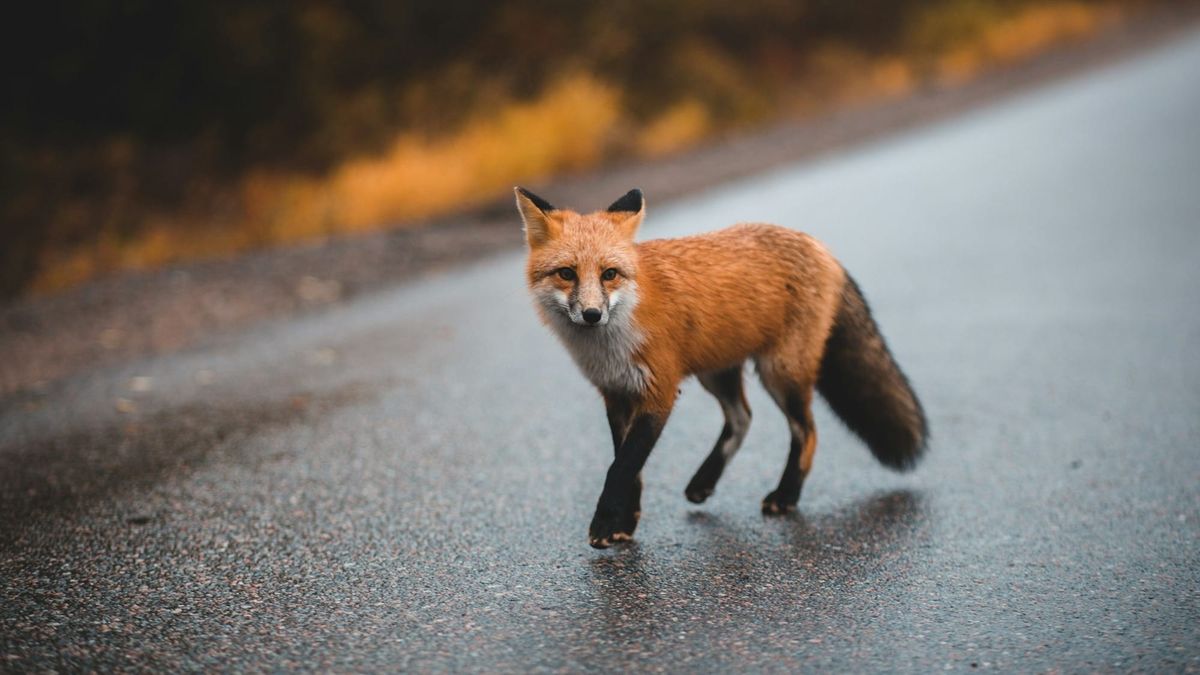
New Mexico health officials are emphasizing the importance of vaccinating pets following the discovery of a rabid fox in McKinley County. This incident marks the state's eighth confirmed animal rabies case of 2026, as reported by the New Mexico Department of Health. The fox, which had no known contact with humans, was euthanized.
Read More
Dr. Erin Phipps, state public health veterinarian for the New Mexico Department of Health (NMDOH), stated, “It’s important to prevent rabies, which is deadly, and state law requires all dogs and cats be vaccinated against rabies.” Unvaccinated pets that come into contact with rabies must either be euthanized or isolated for four months to prevent potential human exposure.
Rabies is commonly found in New Mexico wildlife, including foxes, skunks, bobcats, and bats. In previous years, the state confirmed 13 rabid animals in 2025 and 12 in 2024. While bats are the most frequently identified carriers of rabies, any mammal can become infected. Rabid wild animals may exhibit aggressive behavior or display unusual tameness and lack of fear of humans.
To minimize the risk of rabies, health officials recommend that pet owners keep their pets up to date on vaccinations and ensure they wear collar tags indicating their vaccination status. If a pet is bitten or scratched by a wild animal, even if the injury seems minor, owners should consult a veterinarian.
Additionally, people should avoid unfamiliar wild animals and refrain from feeding, approaching, or touching them. Parents are advised to educate children about the dangers of handling wild animals and to supervise them around unfamiliar animals. Individuals who are bitten or exposed to animal saliva should immediately wash the affected area with soap and water and seek medical attention. Direct contact with a bat or waking up to find a bat in the room warrants rabies vaccination, according to health officials.
Concerns regarding sick or abnormal wild animals should be reported to local animal control or the New Mexico Department of Wildlife at 888-248-6866. Animal bites or exposures can also be reported to local animal control, and assistance is available through the NMDOH Helpline at 1-833-SWNURSE or 833-796-8773.