The Louisiana Department of Health has confirmed a case of rabies in a dog in Acadiana, marking the first instance in a Louisiana dog since 2014 and only the fifth reported case in the state in the last 20 years. This case aligns with a national increase in rabies activity, as noted by the Centers for Disease Control and Prevention (CDC), which reported a 17% rise in rabies-related inquiries from July to August compared to the previous year.
Read More
Despite this alarming news, pet owners need not panic; however, it serves as a vital reminder not to overlook vaccinations for a disease that is nearly always fatal once symptoms appear. Rabies cases in pets have diminished significantly due to widespread vaccination efforts, yet the virus persists primarily in wildlife. According to the CDC, more than 90% of rabies cases in animals occur in wildlife, including bats, raccoons, skunks, and foxes, with bats and skunks being the main carriers in Louisiana.
Pet owners should recognize that their animals can encounter wildlife even in residential areas. Bats may enter homes, and skunks can wander into backyards. Indoor cats and dogs that go outside are at risk of unknowing encounters with these wildlife carriers.
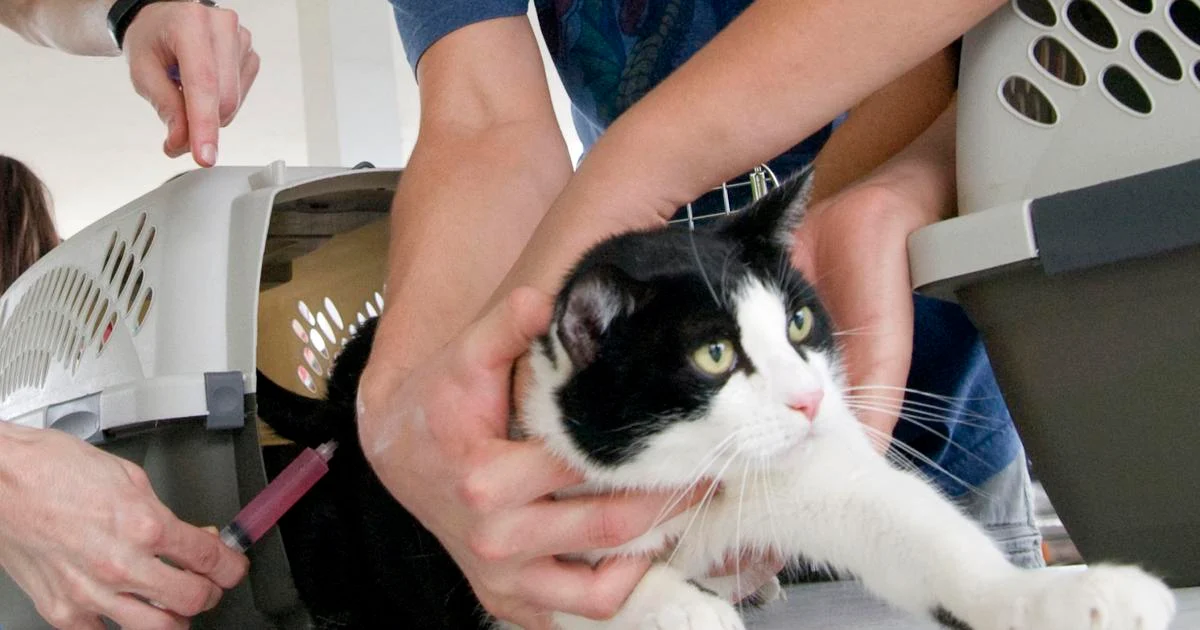
Louisiana law mandates that dogs, cats, and ferrets older than three months must be vaccinated against rabies by a licensed veterinarian. Pet owners should verify their pets' vaccination status, regardless of whether the animals are indoor pets, as they can escape or go outside for short periods. Keeping vaccinations current is essential for the safety of both pets and their families.
If a pet encounters a wild animal that may carry rabies, owners should avoid handling the animal themselves and should promptly contact a veterinarian, animal control, or public health officials for direction. The next steps depend on the specifics of the encounter and the pet's vaccination history.
Residents should also take human exposures seriously, as rabies can spread through bites, scratches, and contact with infected saliva. The CDC advises washing any affected area with soap and water and seeking medical attention immediately if exposed. Rabies is preventable with timely treatment before symptoms develop.
People should refrain from approaching seemingly sick or friendly wild animals, as unusual behavior could indicate illness, and not all animals with rabies exhibit obvious signs. For wildlife in need of help, contacting local agencies is the best course of action. Local shelters usually only assist wildlife cases involving bites or immediate concerns.
For injured or orphaned wildlife, contact the Louisiana Department of Wildlife & Fisheries at 800-442-2511 or their New Orleans office at 504-284-2023. Another resource is Silent Voices Wildlife Rehabilitation at 504-717-9767. A comprehensive list of licensed wildlife rehabilitators can also be found online.
While rabies in Louisiana pets is rare—with an average of about six rabies-positive animals annually since 2000—this recent case serves as an important reminder for pet owners to check vaccination records, keep distance from wildlife, and know the appropriate steps to take following possible exposures.